
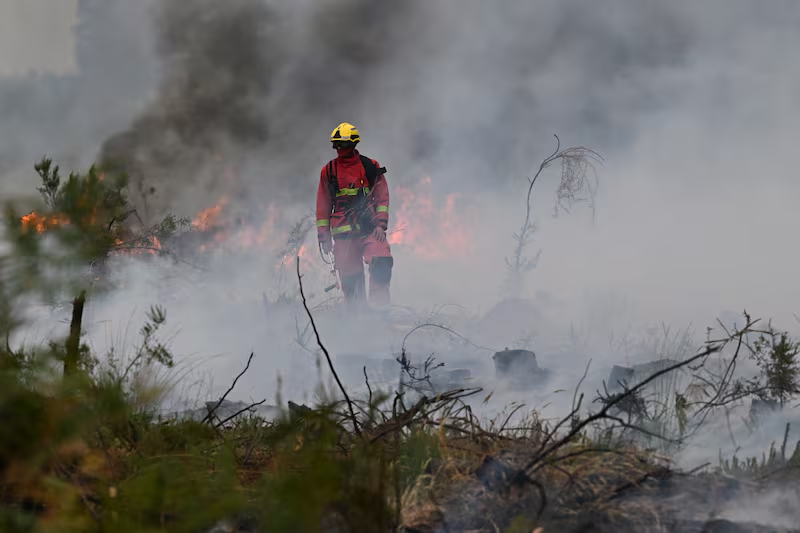
Bordeaux, one of the world’s most renowned wine-producing regions, has so far avoided direct damage from the devastating wildfires sweeping through southwestern France. While vineyards remain largely untouched by the flames, experts say the growing threat is no longer limited to fire alone.
Climate change is increasingly altering weather patterns, creating hotter summers, prolonged droughts, and more intense wildfires that are reshaping grape cultivation and wine production across Europe. Even without direct fire damage, smoke exposure and rising temperatures are posing long-term challenges for vineyards and winemakers.
Bordeaux Vineyards Escape Flames, but Risks Remain
The ongoing wildfires in southwestern France have burned vast forested areas and triggered large-scale evacuations. Despite the fires approaching Bordeaux, wine producers report that vineyards have remained largely safe from direct destruction.
However, scientists warn that the current wildfire season highlights a broader climate crisis affecting one of the world’s most celebrated wine regions.
Climate Change Is Transforming Wine Production
Bordeaux has long benefited from a mild climate ideal for cultivating premium grape varieties such as Cabernet Sauvignon and Merlot.
But climate change is disrupting these favorable conditions through:
- More frequent heatwaves
- Extended droughts
- Dry vegetation that fuels wildfires
- Rising average temperatures
Environmental experts have identified southern Europe as one of the regions most vulnerable to climate change, with warming conditions increasing the likelihood of extreme weather events.
For vineyards, these changing conditions affect not only crop yields but also the quality and character of the grapes.
How Rising Temperatures Affect Grapes
Higher temperatures can significantly alter grape development during the growing season.
Scientists say warmer weather may cause grapes to:
- Ripen earlier than usual
- Accumulate higher sugar levels
- Lose natural acidity
- Produce wines with higher alcohol content
- Experience changes in aroma, flavor, and overall balance
These shifts can gradually change the distinctive taste profiles that have made Bordeaux wines globally renowned.
Smoke Can Damage Wine Even Without Fire
One of the lesser-known threats facing vineyards is smoke taint.
Even if vineyards escape direct flames, prolonged exposure to wildfire smoke can affect grape quality.
Researchers have found that grapes exposed to dense smoke absorb compounds known as volatile phenols. During the fermentation process, these compounds can create undesirable smoky, burnt, or ashy flavors in wine.
Smoke taint has previously caused major losses for vineyards in countries such as Australia and the United States, where entire wine harvests were affected despite vineyards remaining untouched by fire.
Although there is currently no evidence that Bordeaux’s latest grape harvest has suffered widespread smoke taint, experts consider it an increasing climate-related risk.
Wine Regions Around the World Face Growing Challenges
Researchers believe the challenges facing Bordeaux reflect a much larger global trend.
Climate change is expected to impact traditional wine-growing regions by:
- Advancing harvest seasons
- Increasing heat stress on vines
- Reducing water availability
- Raising the frequency of droughts and wildfires
- Altering grape chemistry
To adapt, vineyards may increasingly need to introduce new grape varieties, adopt climate-resilient farming techniques, or relocate cultivation to cooler regions.
Bordeaux’s Future Depends on Climate Adaptation
For now, Bordeaux’s vineyards continue to produce grapes despite the surrounding wildfire crisis.
However, experts believe the long-term future of the region’s wine industry will depend less on avoiding individual wildfire seasons and more on adapting to a warming climate that continues to reshape agriculture worldwide.
The challenges facing Bordeaux serve as a reminder that climate change is influencing not only ecosystems but also the foods and beverages that define cultures and economies across the globe.
Key Highlights
- Bordeaux vineyards have avoided direct wildfire damage despite nearby forest fires.
- Climate change is increasing heatwaves, droughts, and wildfire risks across southern Europe.
- Rising temperatures are changing grape ripening, sugar levels, acidity, and wine quality.
- Wildfire smoke can cause “smoke taint,” affecting wine flavor even without direct fire damage.
- Scientists believe climate change will continue to reshape global wine production.
- Wine producers may need new grape varieties and climate-adaptive farming practices in the future.
FAQs
1. Have the French wildfires damaged Bordeaux vineyards?
No. Bordeaux vineyards have largely escaped direct damage from the ongoing wildfires, although nearby forests have been heavily affected.
2. What is smoke taint in wine?
Smoke taint occurs when grapes absorb smoke compounds that later produce burnt, smoky, or ashy flavors during fermentation.
3. Can wildfire smoke affect grapes without burning vineyards?
Yes. Dense wildfire smoke can impact grape quality even if the vines themselves are not damaged by flames.
4. How is climate change affecting Bordeaux vineyards?
Climate change is bringing hotter temperatures, droughts, earlier grape ripening, and increased wildfire risks that affect wine production.
5. Why are higher temperatures a concern for wine production?
Warmer conditions can increase sugar levels, reduce acidity, alter flavors, and raise alcohol content, changing the character of wines.
6. Which grape varieties are commonly grown in Bordeaux?
Bordeaux is well known for producing grapes such as Cabernet Sauvignon and Merlot.
7. What causes smoke taint?
Smoke taint is caused by volatile phenols absorbed by grapes during wildfire smoke exposure.
8. Can smoke-tainted wine be prevented?
Researchers continue developing methods to reduce smoke taint, but preventing smoke exposure remains the most effective solution.
9. How is climate change affecting wine regions globally?
Climate change is causing earlier harvests, more frequent droughts, heatwaves, wildfires, and shifting growing conditions in many wine-producing regions.
10. What is the future of Bordeaux wine?
Experts believe Bordeaux’s long-term success will depend on how effectively growers adapt to changing climate conditions through innovation and sustainable vineyard management.