

A senior US defence official has dismissed the idea that so-called “middle powers” could emerge as an effective alternative to the US-led global security framework, insisting that America’s military and strategic influence remains unmatched despite growing efforts by several allies to diversify their partnerships.
The remarks come as European nations continue expanding defence cooperation and reducing their dependence on Washington amid uncertainty over US foreign policy.
Elbridge Colby rejects idea of middle powers bloc
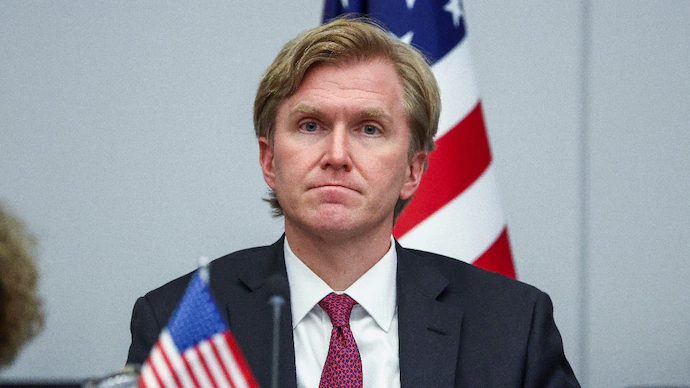
Elbridge Colby, the US Under Secretary of Defence for Policy and a leading architect of the “America First” defence strategy, argued that countries attempting to build a coalition outside America’s leadership lack the common interests needed to create a lasting strategic alliance.
In a series of social media posts, Colby said governments pursuing such a path risk wasting valuable political, financial and diplomatic resources on an unrealistic objective.
He maintained that geography, military capability, economic interests and national priorities make it difficult for middle powers to unite into a coherent global bloc.
What are middle powers?
Middle powers are countries that hold significant regional or global influence but do not possess the military, economic or political dominance associated with major world powers.
Countries frequently identified in this category include Australia, Canada and Japan, while emerging economies such as Brazil and Indonesia are increasingly viewed as influential global players.
India has consistently avoided the label. External Affairs Minister S. Jaishankar has instead described India as a “power in the middle,” reflecting the country’s strategic autonomy and expanding global role.
Europe strengthens defence cooperation
Colby’s comments come at a time when several European countries are investing more heavily in their own defence capabilities.
Growing concerns over the future of US commitments to NATO have encouraged European governments to increase military spending, expand defence manufacturing and pursue greater strategic independence.
Several European nations have also announced new joint defence initiatives aimed at strengthening regional security and reducing reliance on external military support.
America First strategy reshapes US defence policy
Since taking office, Colby has played a central role in shaping the Trump administration’s national defence priorities.
The current strategy places greater emphasis on homeland security, competition with China and reducing America’s long-term military commitments in other regions.
His approach has influenced major policy decisions involving military deployments, defence partnerships and security assistance, sparking debate among allies and policymakers about Washington’s evolving global role.
Colby insists US remains indispensable
Despite growing discussions about alternative alliances, Colby argued that demand for American military engagement remains strong around the world.
He said many countries continue to seek closer security cooperation with Washington and described access to the US defence industrial base as a major strategic advantage.
Colby also argued that no other country or group of countries currently possesses the industrial capacity or technological strength to rival the United States in defence production.
Debate grows over changing global alliances
While the US remains the world’s largest military power, geopolitical shifts have encouraged many countries to diversify diplomatic, economic and security partnerships.
European governments are expanding defence cooperation within the continent, while several middle-income nations are seeking greater strategic flexibility rather than relying exclusively on one global power.
These developments have intensified discussions over whether the international system is gradually becoming more multipolar.
What happens next?
The debate over the role of middle powers is likely to continue as countries reassess their security strategies amid evolving geopolitical challenges. While the United States remains a dominant military force, growing defence cooperation among Europe and other influential nations suggests that the global balance of power will remain a key topic in international diplomacy.
FAQs
1. Who is Elbridge Colby?
Elbridge Colby is the US Under Secretary of Defence for Policy and one of the leading architects of the Trump administration’s “America First” defence strategy.
2. What did Colby say about middle powers?
He argued that countries attempting to form a strategic alliance outside the US-led system lack sufficient common interests and are unlikely to create an effective alternative bloc.
3. What are middle powers?
Middle powers are influential nations that have significant regional or global influence but are not considered major superpowers. Examples include Australia, Canada, Japan, Brazil and Indonesia.
4. Why are European countries increasing defence cooperation?
Many European governments are strengthening defence collaboration to improve regional security and reduce dependence on the United States amid uncertainty over future US commitments.
5. How does India view the middle power label?
India has not accepted the label. It instead describes itself as a “power in the middle,” highlighting its strategic autonomy and independent foreign policy.
6. What is the America First defence strategy?
It prioritises US national security, focuses on competition with China, strengthens homeland defence and seeks to reduce long-term military commitments in other regions.
7. Why is NATO part of this debate?
Questions over future US support for NATO have encouraged European allies to invest more heavily in their own military capabilities and defence industries.
8. Did Colby say countries are moving away from the US?
No. He argued that interest in security cooperation with the United States remains strong despite reports of allies pursuing more diversified partnerships.
9. Why is the US defence industry considered important?
Colby said the United States remains the world’s leading defence manufacturer in terms of both technology and production capacity, making it a critical partner for many allies.
10. What could this mean for global geopolitics?
The discussion reflects broader changes in international relations, with countries seeking stronger regional partnerships while balancing long-standing alliances with major global powers.
Leave a Reply