

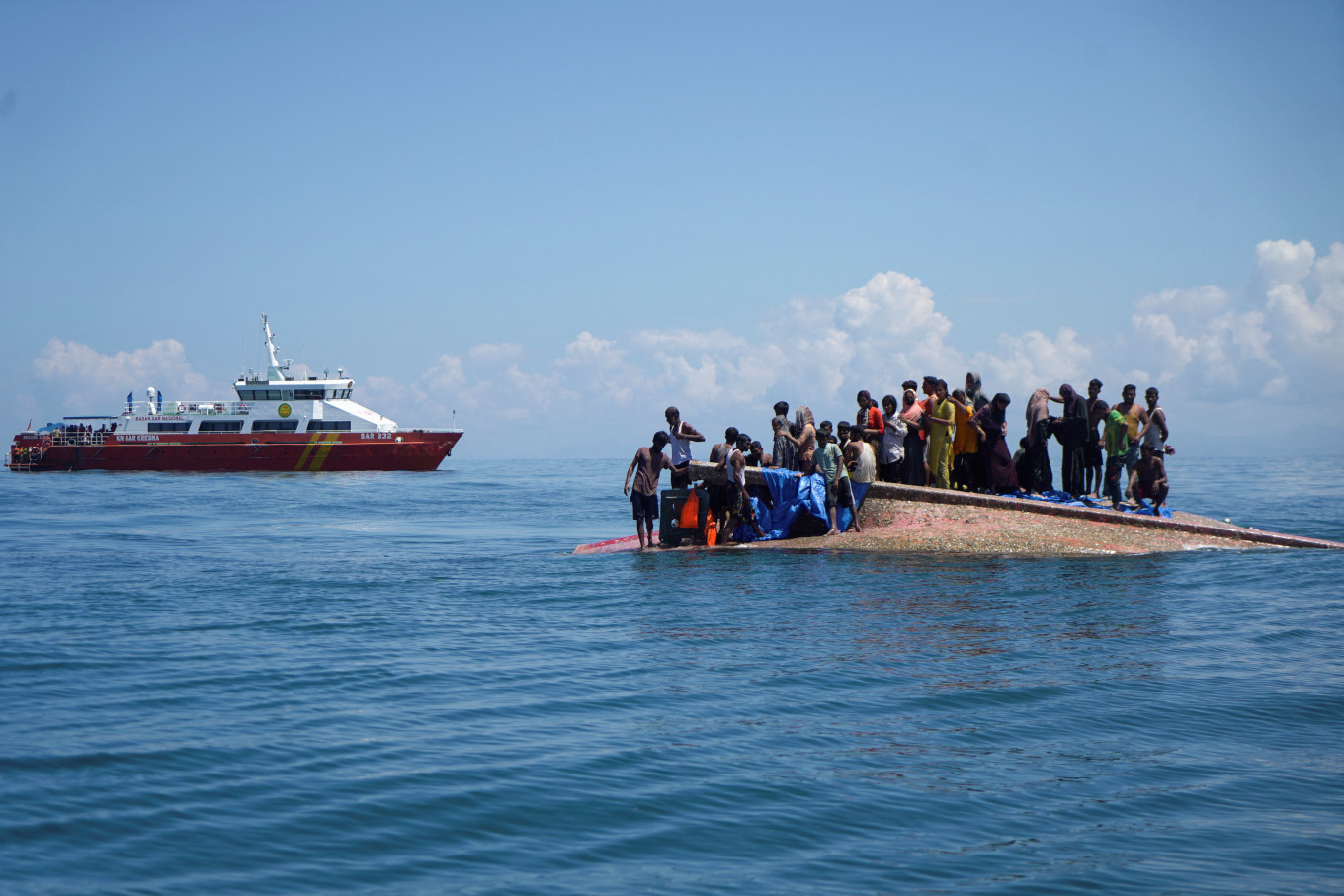
More than 500 Rohingya refugees are feared to have died after two overcrowded boats reportedly capsized in the Bay of Bengal while attempting a dangerous sea journey from Myanmar and refugee camps in Bangladesh. Although the casualty figures have not yet been officially confirmed, UN agencies have expressed grave concern over what could become one of the deadliest maritime tragedies involving Rohingya refugees in recent years.
The incident highlights the growing desperation among thousands of displaced Rohingya who continue to risk their lives in search of safety and better living conditions.
Two Refugee Boats Reportedly Capsized
Preliminary information indicates that both boats departed from Myanmar’s Rakhine State in late June, carrying mostly Rohingya refugees. Some passengers had travelled from refugee camps in neighbouring Bangladesh before joining the voyage.
One vessel, believed to have been carrying around 250 people, reportedly lost contact shortly after leaving shore. Another boat, with nearly 280 passengers, is believed to have sunk off Myanmar’s Ayeyarwady coast on July 8.
The International Organization for Migration (IOM) and the United Nations High Commissioner for Refugees (UNHCR) said the reports are still being verified but warned that the potential loss of life is deeply alarming.
Dangerous Journey During Monsoon Season
The Bay of Bengal route is already considered one of the world’s most dangerous migration corridors.
Sea crossings are uncommon during the monsoon because heavy rainfall, rough seas and strong winds significantly increase the risk of accidents. This year’s severe weather has further worsened conditions, making the voyage even more hazardous for overcrowded boats carrying vulnerable families.
Humanitarian agencies say the latest tragedy demonstrates the extreme risks refugees are willing to take as living conditions continue to deteriorate.
Why Rohingya Continue to Flee
More than one million Rohingya refugees remain in overcrowded camps in Bangladesh after fleeing violence in Myanmar over the past several years.
Many continue to face uncertainty, limited opportunities and shrinking humanitarian assistance. Aid reductions, combined with worsening conditions inside the camps, have left many families struggling to meet basic needs.
Inside Myanmar, conflict in Rakhine State and ongoing restrictions on the Rohingya population have further reduced hopes of a safe return, pushing more people to seek dangerous escape routes by sea.
UN Calls for Greater International Action
The UNHCR and IOM have urged governments and regional authorities to strengthen search and rescue operations while improving access to asylum and protection for refugees.
The agencies also called for stronger action against human trafficking and smuggling networks that profit from desperate migrants attempting risky sea crossings.
Humanitarian organisations warn that without sustained international support and long-term solutions, similar tragedies are likely to continue.
Bay of Bengal Remains One of the Deadliest Migration Routes
The Bay of Bengal has witnessed repeated refugee disasters over the years, with thousands of Rohingya attempting to reach countries such as Malaysia aboard overcrowded and unsafe boats.
Many vessels become stranded at sea due to poor weather, lack of supplies or mechanical failures, while rescue efforts often remain limited.
The continued loss of life underscores the urgent need for coordinated regional efforts to protect refugees and address the root causes driving forced migration.
Conclusion
The reported sinking of two Rohingya refugee boats is another painful reminder of the humanitarian crisis facing one of the world’s most vulnerable communities. As authorities work to verify the scale of the tragedy, international agencies continue to stress that improving refugee protection, expanding humanitarian assistance and strengthening rescue operations are essential to preventing further loss of life.
FAQs
1. What happened in the Bay of Bengal?
Two boats carrying Rohingya refugees reportedly capsized during separate sea journeys, with more than 500 people feared dead.
2. Where did the refugee boats depart from?
The boats reportedly left Myanmar’s Rakhine State, with some passengers travelling from refugee camps in Bangladesh.
3. Have the deaths been officially confirmed?
No. UN agencies have said the reports are still being verified.
4. Why are Rohingya refugees risking dangerous sea journeys?
Many are fleeing conflict, persecution, limited opportunities and worsening living conditions in refugee camps.
5. Why is the Bay of Bengal route so dangerous?
Harsh weather, overcrowded boats, long sea voyages and limited rescue operations make it one of the world’s deadliest migration routes.
6. How many Rohingya refugees live in Bangladesh?
Around 1.2 million Rohingya refugees currently live in camps across Bangladesh.
7. Which UN agencies responded to the incident?
The United Nations High Commissioner for Refugees (UNHCR) and the International Organization for Migration (IOM) expressed serious concern over the reported tragedy.
8. Why are sea crossings especially risky during this period?
The ongoing monsoon season brings heavy rain, rough seas and strong winds, increasing the risk of boats sinking.
9. What has the UN urged governments to do?
The agencies have called for stronger search and rescue operations, better refugee protection and tougher action against smuggling networks.
10. Why does the Rohingya crisis continue?
Ongoing conflict, displacement, restrictions in Myanmar and limited long-term solutions for refugees continue to force many Rohingya to seek safety through dangerous migration routes.
Leave a Reply