

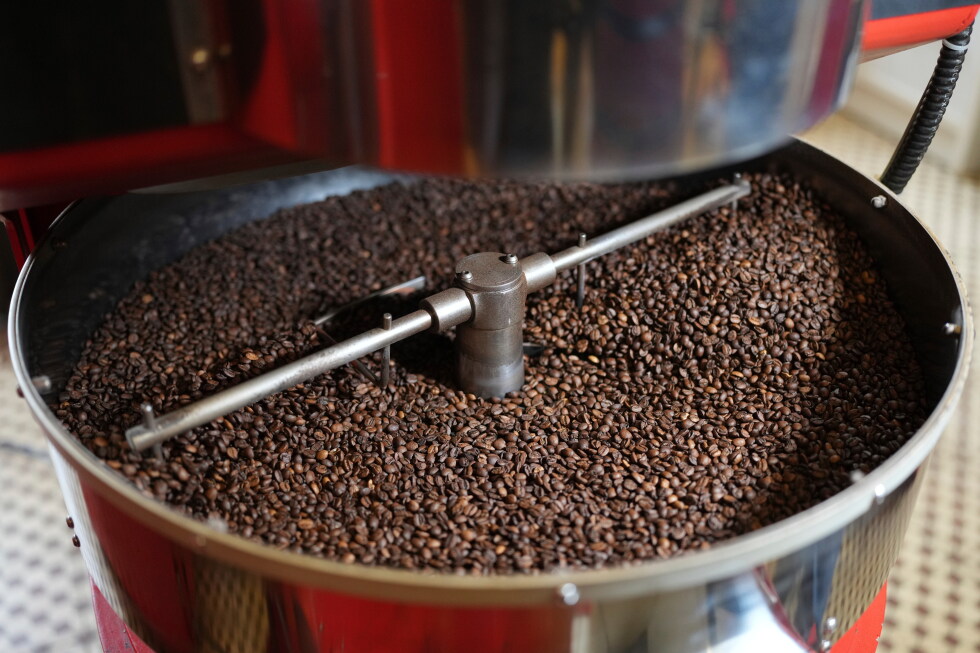
The United States has announced a 25% tariff on imports from Brazil, escalating trade tensions between the two countries while exempting several key products, including coffee, beef, oranges, orange juice, selected energy products and aerospace components.
The new tariffs will take effect on July 22 and are aimed at addressing what Washington describes as unfair trade practices by Brazil.
US Announces New Tariffs on Brazilian Imports
The tariff decision follows a year-long investigation conducted under Section 301 of the Trade Act of 1974, which allows the US government to respond to trade practices it considers discriminatory or unreasonable.
US officials said the investigation found concerns over Brazil’s trade policies, including alleged weak anti-corruption enforcement and tariff practices that they believe disadvantage American businesses.
Despite the move, the US has maintained a goods trade surplus with Brazil in recent years.
Coffee, Beef and Key Products Exempted
While most Brazilian imports will face the new 25% duty, Washington has excluded several products considered important for US consumers and supply chains.
The exemption list includes:
- Coffee
- Beef
- Oranges
- Orange juice
- Selected oil and gas products
- Aerospace parts and components
These exemptions are intended to minimise disruptions for American industries and consumers that rely on Brazilian imports.
US Says Negotiations Failed to Resolve Issues
US Trade Representative Jamieson Greer said extensive discussions with Brazil over the past year did not produce meaningful progress.
He stated that the tariffs are intended to ensure fair competition for American businesses while leaving the door open for future negotiations if Brazil addresses the concerns raised during the investigation.
Political Tensions Add to Trade Dispute
The tariff announcement has also intensified political tensions between Washington and Brasília.
Brazilian President Luiz Inácio Lula da Silva previously criticised the proposed measures, arguing that domestic political factors in the United States influenced the decision.
The issue gained further attention after Senator Flávio Bolsonaro, son of former Brazilian President Jair Bolsonaro, visited Washington ahead of the announcement.
US Secretary of State Marco Rubio accused the Brazilian government of failing to negotiate in good faith, arguing that the country’s economic policies have negatively affected both American and Brazilian interests.
Legal Basis for the Tariffs
The latest duties are being imposed under Section 301 of the Trade Act of 1974, rather than emergency powers previously used for broader tariff measures.
Earlier this year, the US Supreme Court limited the use of emergency authority for imposing sweeping tariffs, prompting the administration to rely on existing trade law for the Brazil action.
What Happens Next?
Although the new tariffs will take effect from July 22, US officials have indicated they remain open to further discussions with Brazil.
The exemptions for key commodities suggest Washington is seeking to balance pressure on Brazil while avoiding major disruptions to supply chains and consumer markets.
The coming weeks are expected to determine whether renewed negotiations can ease tensions or lead to further trade measures between the two countries.
FAQs
1. What tariff has the US imposed on Brazil?
The United States has imposed a 25% tariff on most Brazilian imports starting July 22, 2026.
2. Which Brazilian products are exempt from the tariff?
Coffee, beef, oranges, orange juice, selected oil and gas products, and aerospace parts are among the exempted goods.
3. Why did the US impose tariffs on Brazil?
The US said the decision followed a Section 301 investigation that identified trade practices it considers unfair and harmful to American businesses.
4. When will the new tariffs take effect?
The tariffs are scheduled to come into force on July 22, 2026.
5. What is Section 301 of the Trade Act?
Section 301 allows the US government to investigate and respond to foreign trade practices considered unfair or discriminatory.
6. Has the US stopped negotiating with Brazil?
No. US officials have said they remain willing to continue negotiations despite imposing the tariffs.
7. Why were coffee and beef exempted?
The US exempted products that are important to domestic supply chains or are not produced in sufficient quantities within the country.
8. How has Brazil responded?
President Luiz Inácio Lula da Silva has criticised the tariffs and suggested political factors contributed to the decision.
9. Will all Brazilian imports face the tariff?
No. Several key commodities and industrial products have been excluded from the 25% tariff.
10. What could happen next in the trade dispute?
Both countries may continue negotiations, but if no agreement is reached, trade tensions could escalate further.
Leave a Reply