

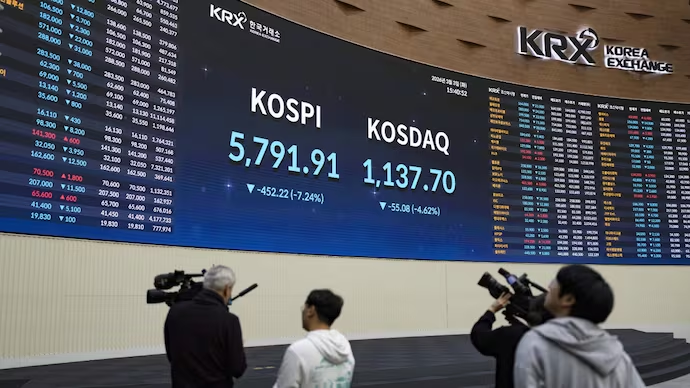
Asian stock markets suffered steep losses on Friday, with South Korea’s benchmark Kospi plunging more than 8% and Japan’s Nikkei 225 shedding nearly 5%, as a widening selloff in technology shares rattled investors across the region.
The sharp decline comes amid growing concerns that valuations linked to the artificial intelligence boom may have risen too rapidly, prompting traders to lock in profits and reduce exposure to high-growth stocks.
Key Highlights
• South Korea’s Kospi tumbled 8.2%, triggering a temporary trading halt.
• Japan’s Nikkei 225 lost nearly 5% in heavy selling.
• Hong Kong’s Hang Seng Index dropped 2.4%.
• Investors are reassessing the sustainability of the AI-driven rally in technology stocks.
What Happened?
Selling pressure intensified across Asian markets after weakness in global technology shares spilled over into regional trading.
South Korea’s Kospi declined 8.2%, prompting market authorities to suspend programme trading for 20 minutes under circuit breaker mechanisms designed to stabilise extreme volatility.
Japan’s Nikkei 225 also came under heavy pressure, falling about 5% as investors pared holdings in technology and semiconductor-related companies.
Elsewhere in the region, Hong Kong’s Hang Seng Index retreated 2.4%, while mainland Chinese markets recorded broad-based losses. The CSI300 index dropped 2.9%, and the Shanghai Composite Index fell by more than 2%.
Why It Matters
The technology sector has been one of the strongest drivers of global equity gains over the past year, largely fuelled by optimism surrounding artificial intelligence.
However, rapid gains have also raised questions about whether stock prices accurately reflect underlying earnings prospects.
A sharp correction in major Asian markets may influence investor sentiment worldwide, including in emerging markets such as India, where technology-related stocks have also benefited from increased interest in AI-driven businesses.
Official Statement
South Korean market regulators activated trading safeguards after the steep decline in the Kospi, temporarily halting programme trading to contain excessive volatility.
Market participants said investors are increasingly reassessing risk levels amid concerns that enthusiasm surrounding artificial intelligence may have pushed valuations beyond sustainable levels.
Background
Global technology companies have witnessed substantial gains over the past two years as demand for AI infrastructure, semiconductor chips and cloud computing services accelerated.
The rally has attracted significant institutional and retail investment, making technology shares particularly vulnerable to sharp corrections whenever sentiment weakens.
Asian markets, especially South Korea and Japan, are heavily exposed to semiconductor manufacturers and technology exporters, which often experience heightened volatility during periods of uncertainty.
What’s Next?
Investors are expected to closely monitor developments in global technology stocks, corporate earnings announcements and central bank signals in the coming weeks.
Analysts believe market volatility could persist if concerns over high valuations continue to outweigh optimism surrounding long-term AI growth opportunities.
For now, traders are likely to remain cautious as they assess whether the latest selloff represents a temporary correction or a broader shift in market sentiment.
Frequently Asked Questions
Why did Asian markets fall sharply?
Asian markets declined due to a widespread selloff in technology stocks and concerns that the artificial intelligence-driven rally had become overheated.
How much did South Korea’s Kospi fall?
The Kospi dropped 8.2%, leading regulators to temporarily halt programme trading.
Why was trading halted in South Korea?
Authorities activated a circuit breaker mechanism to reduce excessive volatility following steep losses.
How much did Japan’s Nikkei 225 decline?
Japan’s Nikkei 225 index fell nearly 5% during Friday’s trading session.
What happened to Hong Kong and Chinese markets?
Hong Kong’s Hang Seng Index lost 2.4%, while China’s CSI300 and Shanghai Composite Index also recorded notable declines.
What role is artificial intelligence playing in the selloff?
Investors are questioning whether the rapid rise in AI-related stocks has led to excessive valuations, prompting profit booking.
Could Indian markets be affected?
Global market corrections often influence investor sentiment in India, particularly in sectors linked to technology and growth stocks.
Leave a Reply