

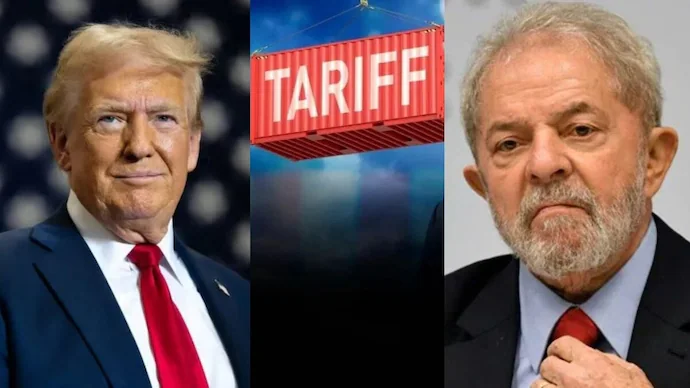
Trade tensions between the United States and Brazil have escalated after Washington announced new 25% tariffs on selected Brazilian goods. The measures, scheduled to take effect on July 22, will impact nearly 18% of Brazil’s exports to the US, valued at around $7 billion.
Brazilian officials say they are preparing support measures for affected industries while keeping diplomatic channels open in hopes of reaching a negotiated solution.
Brazil Prepares Support for Affected Industries
Brazil’s trade authorities confirmed that several export-driven industries are expected to feel the immediate impact of the new tariffs.
Sectors likely to be affected include:
- Timber
- Machinery
- Furniture
- Footwear
The government said it is working on relief measures to help businesses manage the additional costs and protect jobs linked to exports.
Why the US Is Imposing New Tariffs
The tariffs follow an investigation conducted by the Office of the US Trade Representative (USTR).
US officials concluded that Brazil had engaged in trade practices they considered unfair, including concerns over anti-corruption enforcement, tariff policies and other market-related issues.
The United States said the new duties are intended to promote fair competition for American businesses while leaving room for future negotiations.
Several Brazilian Products Exempted
Despite the tariff announcement, Washington excluded several key Brazilian exports from the new duties.
Products exempted include:
- Coffee
- Beef
- Oranges
- Orange juice
- Selected oil and gas products
- Aerospace parts and components
These exemptions were granted because many of these products play an important role in US supply chains or have limited domestic production.
Brazil Calls Tariffs ‘Unilateral and Unjustified’
Brazilian Foreign Minister Mauro Vieira strongly criticized the US decision, describing the tariff measures as unfair and one-sided.
He also rejected recent criticism from US officials regarding Brazil’s trade policies and questioned the use of Section 301 of the US Trade Act of 1974, the legal mechanism used by Washington to investigate and respond to alleged unfair trade practices.
Brazil maintains that the measures are not justified and continues to advocate dialogue instead of escalating trade restrictions.
Rare Earth Investment Becomes Another Point of Dispute
Brazil also revealed that US officials had encouraged the country to restrict investments from nations that do not follow market-based trade practices in the rare earth minerals sector.
Brazil declined the proposal, stating that its investment policies would remain independent and would not be shaped by external demands.
The disagreement highlights broader strategic competition over critical mineral supply chains.
Talks Still Remain Possible
Although trade relations have become increasingly strained, both governments continue to signal a willingness to negotiate.
Brazil expects further discussions with US officials in the coming weeks, including conversations related to another ongoing American investigation into alleged forced labour practices involving several countries.
Officials on both sides have indicated that dialogue remains the preferred path despite the latest tariff action.
What This Means for Global Trade
The latest tariffs add fresh uncertainty to trade relations between two of the Western Hemisphere’s largest economies.
While only a portion of Brazil’s exports to the United States will be affected, industries dependent on the American market may experience higher costs and increased competitive pressure.
The coming weeks will determine whether negotiations can ease tensions or whether additional trade measures emerge.
FAQs
1. What tariffs has the United States imposed on Brazil?
The US will impose a 25% tariff on selected Brazilian exports beginning July 22, 2026.
2. How much of Brazil’s exports are affected?
Approximately 18% of Brazil’s exports to the United States, worth around $7 billion, will face the new tariffs.
3. Why is the US imposing these tariffs?
The tariffs follow a USTR investigation into alleged unfair trade practices by Brazil.
4. Which Brazilian industries will be most affected?
Timber, machinery, furniture and footwear are expected to face the biggest impact.
5. Which Brazilian exports are exempt from the tariffs?
Coffee, beef, oranges, orange juice, selected oil and gas products, and aerospace components are exempt.
6. How has Brazil responded?
Brazil has criticized the tariffs as unilateral and unjustified while preparing support measures for affected industries.
7. What is Section 301?
Section 301 of the US Trade Act of 1974 allows the US government to investigate and respond to alleged unfair foreign trade practices.
8. Is Brazil still willing to negotiate?
Yes. Brazilian officials say they remain open to continued discussions with the United States.
9. When do the new tariffs take effect?
The tariffs are scheduled to begin on July 22, 2026.
10. What could happen next?
Further negotiations between Brazil and the United States may determine whether the tariffs remain in place or are revised through future trade agreements.
Leave a Reply