


- March 02, 2026
BCCI vs BCB: How Politics Turned Cricket Into Collateral Damage
The BCCI–BCB standoff shows how political expediency has turned cricket into collateral damage, straining India–Bangladesh sporting ties.
- January 07, 2026
- in Sports
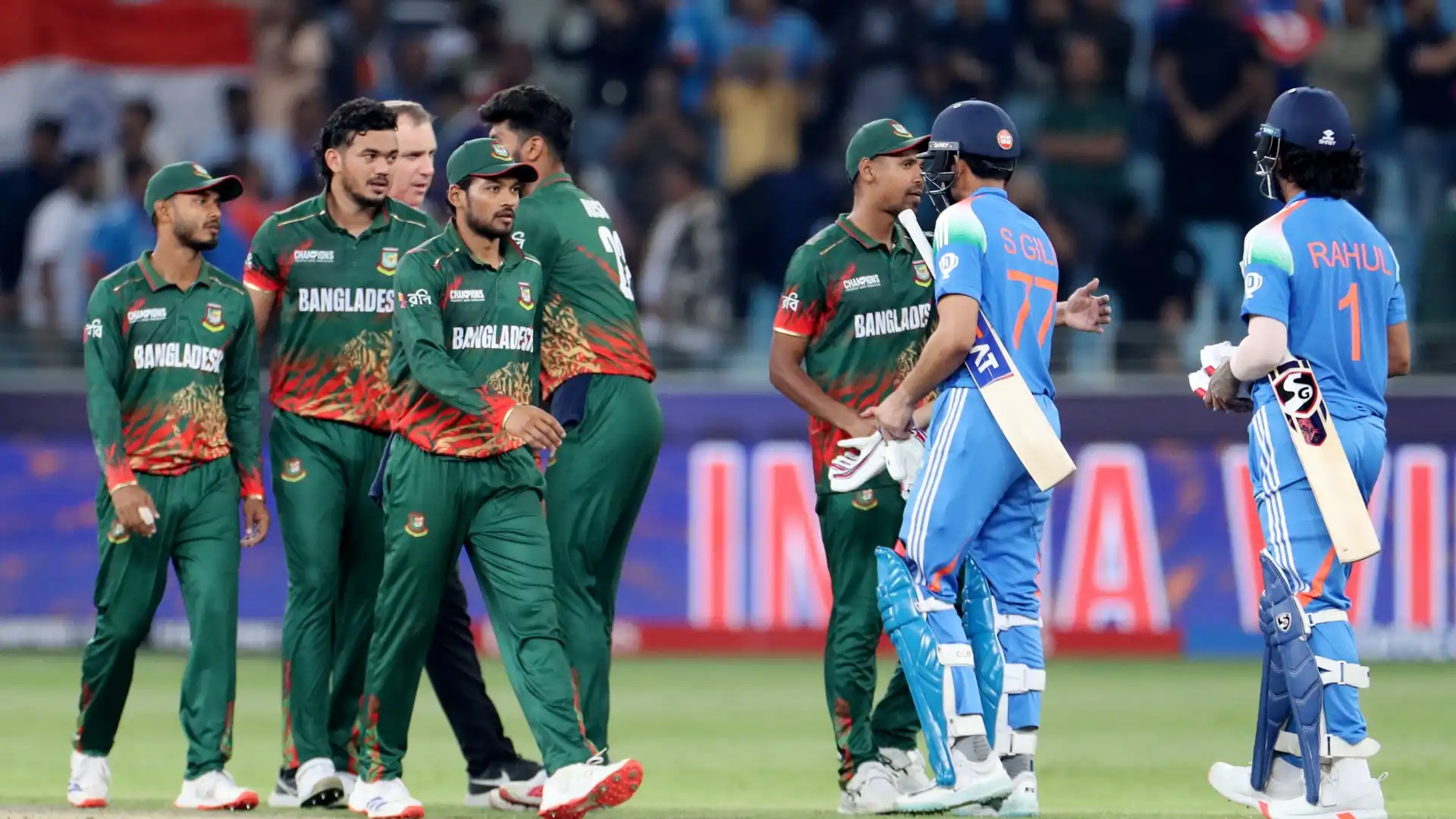
The recent standoff between the Board of Control for Cricket in India (BCCI) and the Bangladesh Cricket Board (BCB) has once again exposed how deeply politics can intrude into sport, leaving cricket to absorb the fallout of decisions driven more by expediency than by sporting logic.
The controversy erupted after the BCCI directed an IPL franchise to part ways with Bangladesh fast bowler Mustafizur Rahman, despite his selection through the league’s official auction process. The move sent a troubling signal: that political optics now outweigh the autonomy of sport and the integrity of professional contracts.
Only one Bangladeshi player was picked in the auction, yet that solitary selection became the focal point of political posturing. What followed was a chain reaction in which a player, a private franchise, broadcasters and bilateral cricket ties all became unintended casualties. Even Shah Rukh Khan, the public face of the Kolkata Knight Riders, was dragged into a narrative far removed from the cricket field.
Bangladesh’s response — appealing to the International Cricket Council to move its T20 World Cup matches out of India and halting the broadcast of the IPL — underscored how quickly sporting disputes can escalate into diplomatic flashpoints. Cricket, once a bridge between neighbours, suddenly became a bargaining chip.
This episode has come at an especially awkward moment, as India seeks to rebuild trust in its neighbourhood. The contradiction is stark: while India has historically played a pivotal role in nurturing cricket in South Asia — including offering support to Bangladesh, Sri Lanka, Pakistan and even Afghanistan — relations with many of these countries now appear strained. Cricket diplomacy, once a tool of engagement, is being reduced to an instrument of pressure. Sport and politics have never existed in isolation. History shows that principled boycotts, such as those during apartheid-era South Africa, can drive change when rooted in collective moral resolve. What distinguishes the current situation is the absence of such clarity. Here, the intervention appears reactive, shaped by domestic political messaging rather than a coherent foreign policy or ethical stance.
The larger risk is reputational. India harbours ambitions of hosting global sporting events, including the Olympics. Actions that signal political interference in sport raise uncomfortable questions about governance, neutrality and credibility. When administrators act as extensions of political power, sport loses its independence — and its moral authority.
Cricket has long served as a shared language across borders, capable of easing tensions when diplomacy falters. But when weaponised, it reflects the worst impulses of power rather than the spirit of fair competition. Bullying, whether in politics or sport, often masks insecurity rather than strength.
Ultimately, cricket is being asked to shoulder responsibilities it was never meant to bear. When things unravel, the game is blamed for failures originating elsewhere. True strength lies not in coercion, but in fairness — a lesson that applies as much to governance as it does to sport.
you may also like

- March 02, 2026
Zimbabwe Team Stranded in India After T20 Exit
- March 02, 2026
Sanju Samson’s 97 Powers India Into Semis
- March 01, 2026
Zimbabwe Team Stuck in India After Airspace Closure

- February 27, 2026