


- March 03, 2026
India–U.S. Trade Deal Explained: Tariffs Cut to 18%, Markets Cheer, Politics Argue
India–U.S. trade deal cuts tariffs to 18%, lifts markets and rupee, but raises questions over farmers, geopolitics and real gains.
- February 03, 2026
- in National
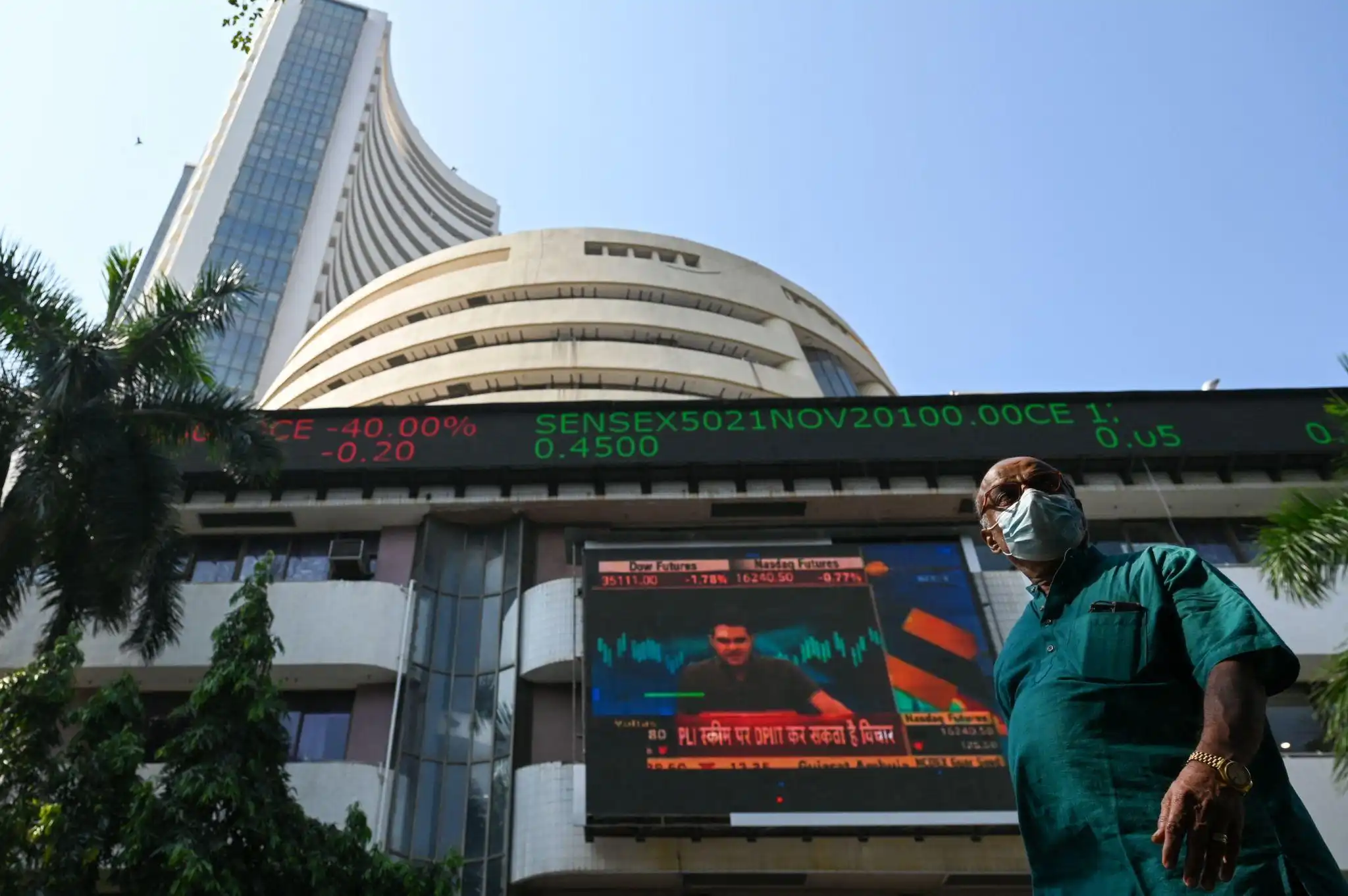
India and the United States have announced a long-anticipated trade deal that immediately sent markets soaring, the rupee strengthening, and political reactions flying in every direction. The headline number is simple: U.S. tariffs on Indian goods have been cut to 18%, down from a punishing effective rate that had climbed as high as 50%.
The backstory, however, is far less straightforward.
The announcement came after a phone call between U.S. President Donald Trump and Prime Minister Narendra Modi, with Washington presenting the deal as both an economic reset and a geopolitical signal. Trump claimed the agreement followed India’s commitment to stop purchasing Russian oil amid the Ukraine war — a line that New Delhi has not officially confirmed in the same terms.
Still, markets didn’t wait for clarifications.
Markets React First, Questions Come Later
Indian equity markets opened with historic enthusiasm. Benchmark indices surged sharply, with the Sensex jumping over 3,600 points and the Nifty rallying nearly 5%. Export-heavy sectors led the charge—textiles, leather, gems and jewellery, seafood, and specialty chemicals saw sharp gains.
The rupee also strengthened, buoyed by expectations of renewed foreign investment flows and reduced trade friction. In short, Dalal Street treated the deal as a long-overdue relief after a year of tariff anxiety.
Money, as always, voted before Parliament did.
What the Deal Actually Changes
Under the agreement, the U.S. has rolled back its reciprocal tariffs on Indian goods to 18%, reversing a regime that had combined baseline tariffs with additional penalties linked to India’s energy ties with Russia.
For exporters, this restores competitiveness in one of India’s largest overseas markets. For manufacturers, it signals stability. For policymakers, it’s being pitched as validation of “Made in India” on a global stage.
But while the tariff cut looks clean on paper, the fine print remains blurry.
Political Fault Lines Emerge
Opposition parties were quick to raise red flags, particularly around agriculture. Critics argue that opening Indian markets further to U.S. farm products could hurt domestic farmers, many of whom already operate on thin margins.
The government, meanwhile, framed the agreement as “people-focused diplomacy,” highlighting job creation, MSME growth, and long-term strategic alignment between two large democracies.
Same deal, two narratives — welcome to trade politics.
Geopolitics Meets Economics
Beyond tariffs, the deal sits squarely within a larger geopolitical puzzle. U.S. leaders openly linked the agreement to countering Russian influence and reshaping global supply chains. Indian officials emphasised predictability, openness, and long-term cooperation.
What’s clear is that this is not just a trade deal — it’s an economic signal wrapped in strategic messaging.
And as always, the applause is loudest at the announcement stage.
THE BIG QUESTION
The real test will not be today’s market rally or tomorrow’s political statements. It will be whether exporters see sustained gains, whether farmers are protected, and whether the promised benefits translate beyond stock tickers into actual livelihoods.
For now, optimism is high. Scrutiny will follow.
you may also like


- March 03, 2026
Gulf Tensions Rise; Evacuation Flights Reach India

- March 03, 2026
Chhattisgarh Private Schools Announce RTE Protest
- March 02, 2026
India Rejects Report Linking Officials to Nijjar Killing

- March 02, 2026