


- March 02, 2026
India vs Pakistan Back on the Cards? ICC Talks Signal Green Light for T20 World Cup Showdown
India vs Pakistan T20 World Cup clash likely to go ahead after ICC and PCB talks resolve boycott concerns.
- February 08, 2026
- in Sports
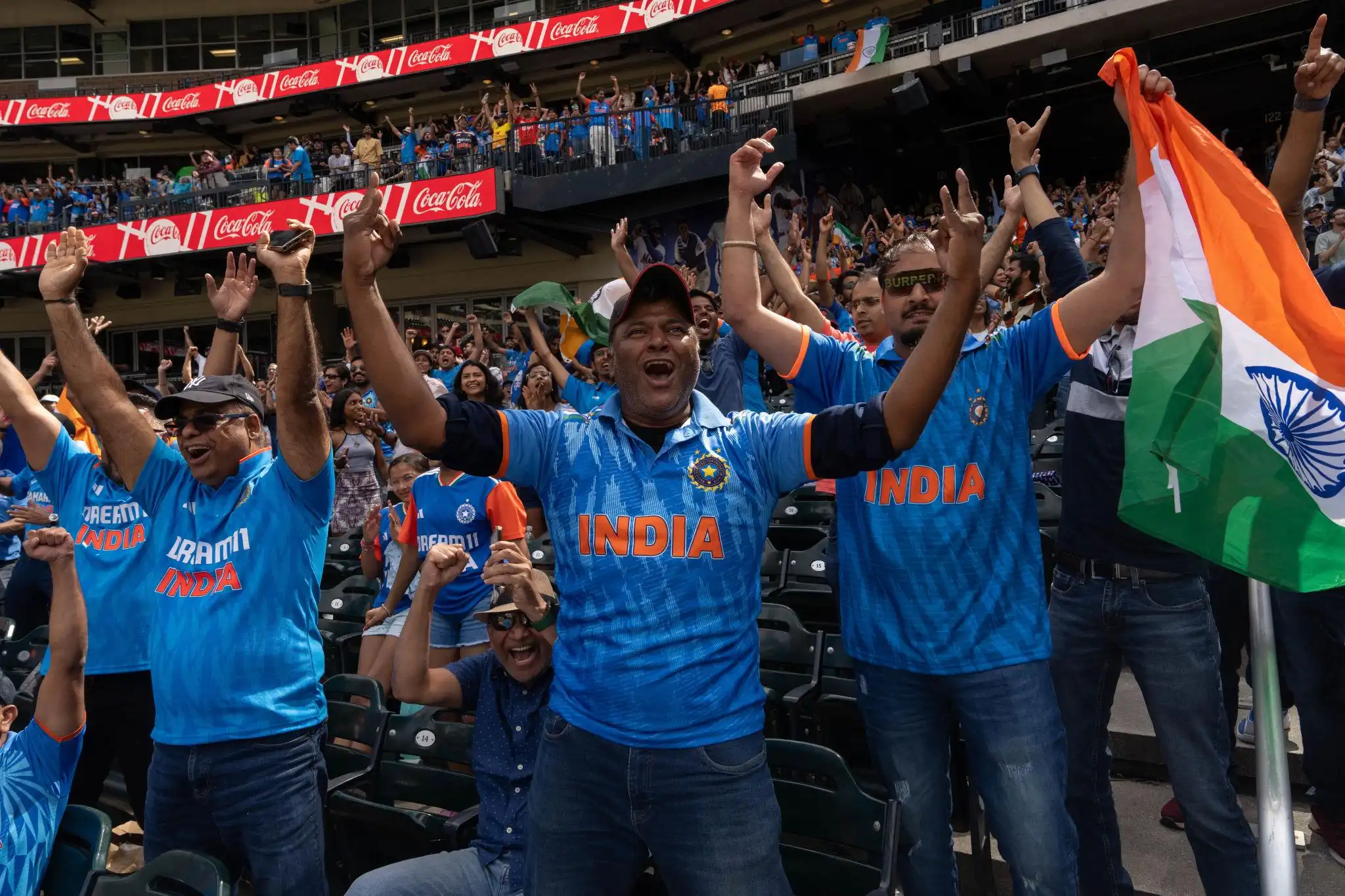
The most politically sensitive fixture in world cricket appears set to return to the field, as discussions between the International Cricket Council and the Pakistan Cricket Board move towards clearing the scheduled India–Pakistan clash at the ICC Men’s T20 World Cup 2026.
Sources familiar with the matter indicate that the February 15 group-stage encounter is likely to go ahead, following high-level meetings aimed at resolving Pakistan’s earlier refusal to play India. Two ICC representatives reportedly arrived in Lahore to continue direct engagement, signalling that cricket’s governing body is keen to avoid a commercial and sporting embarrassment.
The controversy erupted after the Pakistan government instructed its team not to take the field against India, prompting the PCB to invoke Force Majeure under the tournament’s Terms of Participation. The move placed the ICC in an uncomfortable position, given that the India–Pakistan fixture is widely regarded as the single biggest revenue driver in global cricket.
Politics Meets the Balance Sheet
While Pakistan was eventually cleared to participate in the tournament, the selective boycott of India triggered alarm bells among organisers and host nations. The fixture was scheduled to be played in Colombo, where Sri Lanka Cricket warned that cancellation would cause severe financial losses and undermine the tournament’s credibility.
In a twist of geopolitical symbolism, Pakistan cited solidarity with Bangladesh, who earlier declined to travel to India over security concerns and were replaced in the tournament lineup. However, the ICC pressed the PCB to clarify what steps it had taken to resolve the impasse, reminding stakeholders that international tournaments operate on contracts, not sentiments.
Why This Match Matters
The India–Pakistan rivalry is not merely a cricketing contest; it is the tournament’s economic backbone. Broadcast rights, sponsorship deals, and host revenues hinge disproportionately on this one game. A no-show would not only dent the ICC’s finances but also set a precedent that political directives can override sporting commitments mid-tournament.
Both teams have already begun their World Cup campaigns on winning notes, with India and Pakistan securing victories against the USA and the Netherlands respectively. Pakistan’s remaining group matches are scheduled in Colombo and Pallekele, making logistical continuity another reason the ICC is pushing for resolution rather than rupture.
Quiet Diplomacy, Loud Consequences
While official statements remain cautious, the presence of ICC officials in Lahore and the absence of fresh objections from Islamabad suggest that the standoff may soon end. If cleared, the match will proceed as scheduled, restoring the tournament’s marquee moment and sparing cricket administrators from explaining why the world’s biggest rivalry was sidelined by paperwork and politics.
In international cricket, ideals may spark debates—but fixtures still pay the bills.
you may also like


- March 02, 2026
Zimbabwe Team Stranded in India After T20 Exit
- March 02, 2026
Sanju Samson’s 97 Powers India Into Semis
- March 01, 2026
Zimbabwe Team Stuck in India After Airspace Closure

- February 27, 2026