


- March 03, 2026
Kerala’s SIR Tangle: When Electoral Revision Becomes a Test of Public Trust
Kerala’s voter roll revision highlights how electoral reforms can erode public trust if inclusion, transparency and fairness are not ensured.
- January 05, 2026
- in National
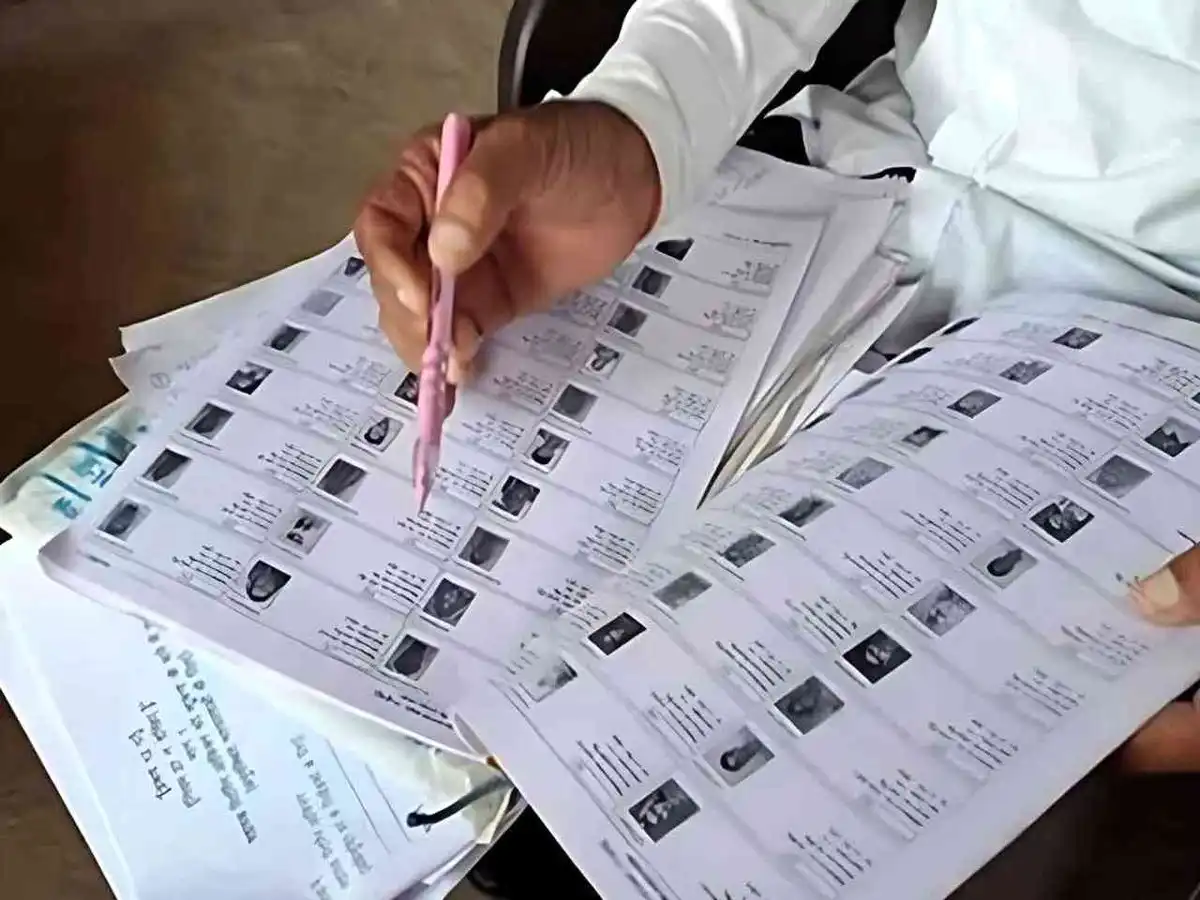
Kerala’s experience with the Special Intensive Revision (SIR) of electoral rolls has unfolded less like a routine administrative exercise and more like a test of institutional credibility. From the outset, the process has been marked by confusion, exclusions, and a growing trust deficit between citizens and the electoral machinery.
During the house-to-house enumeration phase, forms were issued to nearly 2.78 crore voters across the State. Yet, when the draft electoral roll was published in late December under the extended schedule of the Election Commission of India, over 24 lakh voters found their names missing. An additional 19 lakh electors were placed in a grey category labelled “no mapping”, as their details could not be linked to the 2002 revision list that serves as the baseline for the exercise.
The revision has now entered the claims-and-objections stage, with notices being issued for personal hearings. Election officials maintain that eligible voters can still re-enrol using prescribed forms, including special provisions for overseas electors. However, political parties and civil society groups argue that the burden has unfairly shifted onto citizens who have voted consistently for decades.
At the heart of the controversy lies the classification of voters as Absent, Shifted, Dead, or “untraceable”. Numerous instances have emerged where entire polling stations show implausibly high numbers of such classifications, raising questions about the accuracy of the enumeration process. For many voters, inclusion in these categories has created a perception that their citizenship itself is under suspicion — a sentiment that has fuelled public anger and protests.
Kerala’s large expatriate population has further complicated matters. Political parties have flagged inadequate facilitation for overseas voters and demanded that authorised representatives be allowed to appear on their behalf during hearings. The overlap of the SIR with local body elections in 2025 has added another layer of unease, especially as voter rolls maintained by the State Election Commission showed significantly higher numbers than those published after the SIR draft. To its credit, the office of the Chief Electoral Officer has attempted to soften the process through consultations with political parties and public assurances that all eligible voters will be included in the final roll. Officials have also promised that hearings will not become instruments of harassment. Yet, procedural outreach alone may not be enough.
What is unfolding in Kerala is likely to resonate in other States undergoing similar revisions. Large-scale exercises such as voter enrolment and censuses have historically enjoyed public confidence due to their perceived neutrality and efficiency. The current episode underscores how quickly that confidence can erode when transparency falters.
Ultimately, the credibility of the SIR will depend not on assurances, but on outcomes — a final electoral roll that is inclusive, accurate, and compiled through a process that voters experience as fair and respectful. Restoring trust is no longer optional; it is central to safeguarding the legitimacy of democratic participationcivic processes.
you may also like


- March 03, 2026
Gulf Tensions Rise; Evacuation Flights Reach India

- March 03, 2026
Chhattisgarh Private Schools Announce RTE Protest
- March 02, 2026
India Rejects Report Linking Officials to Nijjar Killing
- March 02, 2026