


- March 03, 2026
“Why Only Bengal?” Mamata Faces Supreme Court as SIR Voter Revision Sparks Democracy Row
Mamata Banerjee appears before Supreme Court over Bengal SIR voter revision, questions EC’s urgency and selective scrutiny.
- February 04, 2026
- in National
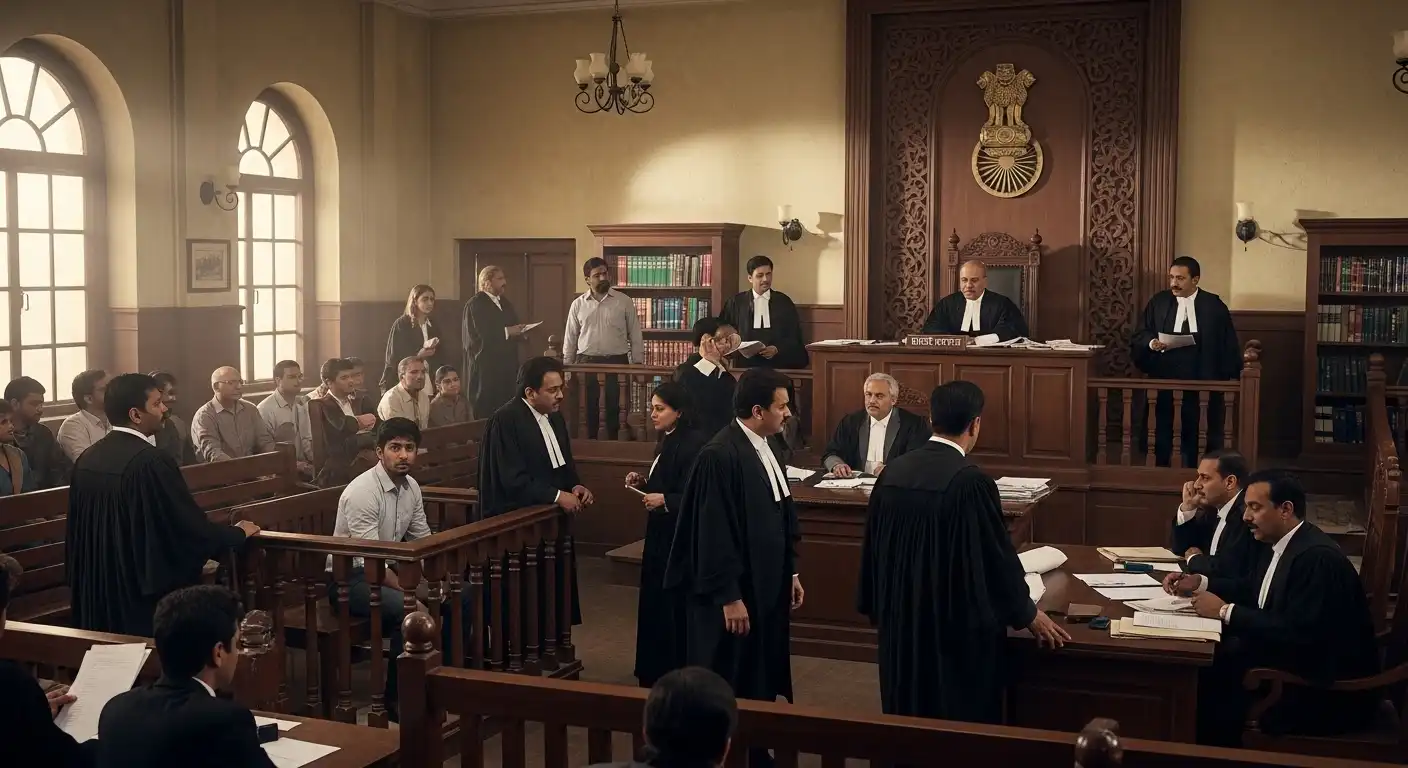
Bengal Under the Scanner: Supreme Court Seeks Answers on SIR Exercise
The Supreme Court of India on Wednesday issued a notice to the Election Commission of India after West Bengal Chief Minister Mamata Banerjee personally appeared before a Bench led by Justice Surya Kant, challenging the legality and intent of the Special Intensive Revision (SIR) of electoral rolls in the State.
At the heart of the controversy lies one uncomfortable question repeatedly raised in court: why West Bengal, and why the hurry?
“Save Democracy”: Mamata’s Direct Appeal to the Court
Seeking permission to argue in person, Mamata Banerjee told the court that West Bengal was being singled out through the appointment of micro-observers — a step not taken in other States where similar exercises were underway.
“I have only a humble request to you, My Lords — save democracy,” she told the Bench, pointing out that more than 58 lakh voter names had already been deleted from draft electoral rolls released in December 2025.
According to the petition, discrepancies in the rolls showed patterns too consistent to be accidental — unusually high numbers of young deaths, gender-biased deletions, and specific communities bearing the brunt of exclusions.
Micro-Observers, Macro Questions
The Election Commission defended its decision, arguing that micro-observers were necessary due to alleged non-cooperation from the State administration — a claim firmly rejected by the West Bengal government.
The court, clearly unconvinced by the procedural opacity, issued notice to the EC on the appointment and functioning of micro-observers, posting the next hearing for February 9.
In a moment that cut through legal jargon, the Chief Justice observed that a citizen must know why they are being excluded, noting that misspellings and linguistic errors cannot become instruments of disenfranchisement.
“Tagore is Tagore, no matter how they spell his name,” the CJI remarked — a line that landed heavier than pages of affidavits.
Aadhaar, Deadlines, and Deleted Voters
The Bench also flagged concerns over the tight timelines imposed on voters to respond to notices, especially when seven of the allotted fifteen days had already passed. Senior advocates appearing in the matter argued that documents such as Aadhaar and land certificates were not being accepted uniformly, despite earlier assurances.
The court reminded the EC that electoral purification cannot come at the cost of exclusion, especially when over one crore notices have been issued in a single State.
The Tea Take ☕
When voter roll “cleaning” begins to look like voter roll clearing, democracy starts asking questions. Bengal may be the courtroom today, but the answers will echo nationwide.
you may also like


- March 03, 2026
Gulf Tensions Rise; Evacuation Flights Reach India

- March 03, 2026
Chhattisgarh Private Schools Announce RTE Protest
- March 02, 2026
India Rejects Report Linking Officials to Nijjar Killing
- March 02, 2026