


- March 03, 2026
Mark Tully, Veteran Journalist and Voice of India, Dies at 90
Veteran journalist and author Mark Tully passes away at 90 in Delhi, leaving behind a lasting legacy of reporting on India.
- January 25, 2026
- in National
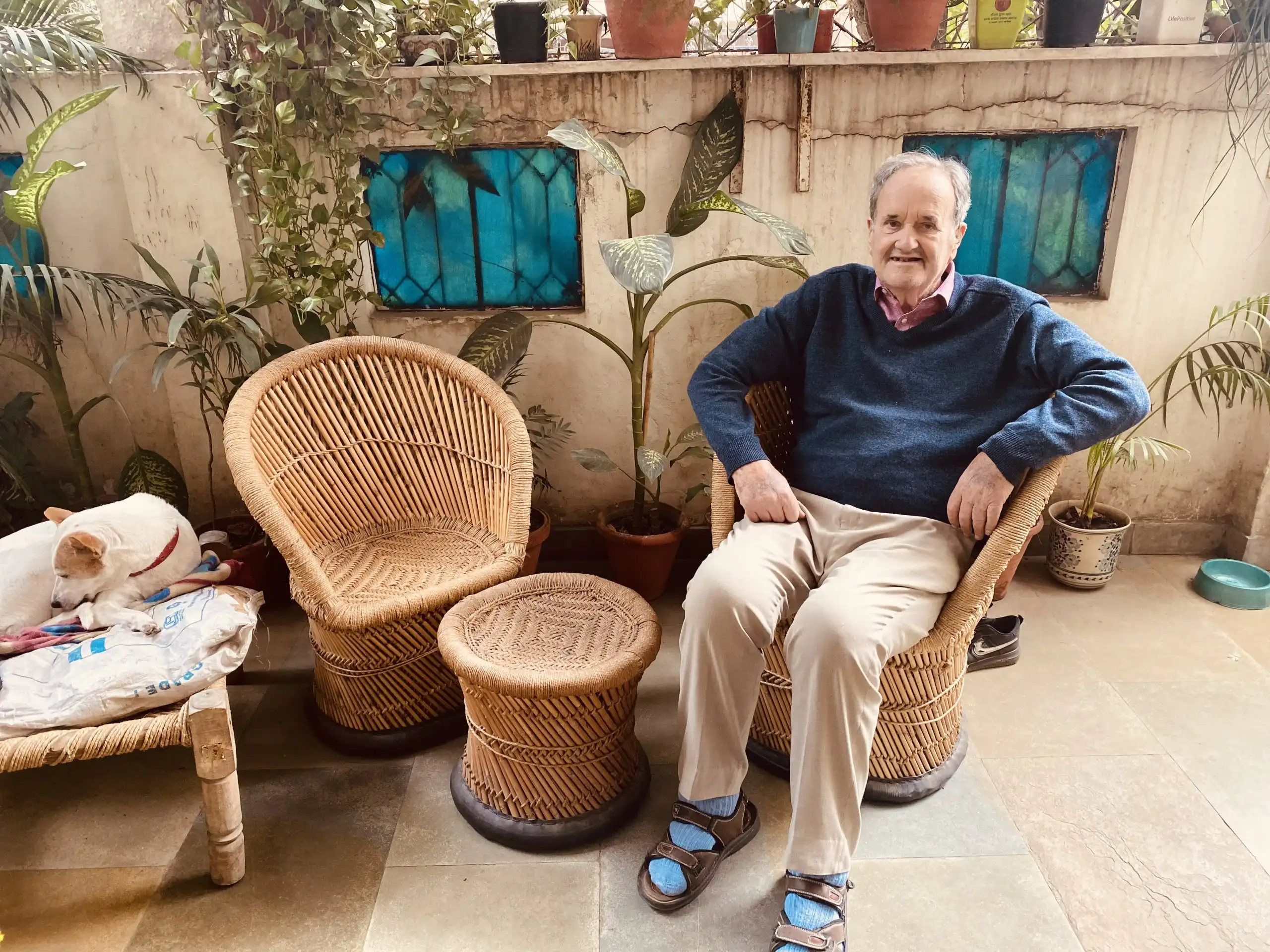
Veteran journalist, author, and one of the most recognisable foreign voices on India, Mark Tully, passed away in New Delhi at the age of 90. He had been unwell for some time and was undergoing treatment at a private hospital in the capital. His death marks the end of an era in Indian journalism, where long-form reporting, cultural sensitivity, and deep on-ground understanding defined storytelling.
Born in Calcutta (now Kolkata) on October 24, 1935, Mark Tully spent the most influential years of his career reporting from India. He served as the New Delhi bureau chief of the BBC for over two decades, a period during which he became widely respected for his nuanced coverage of Indian politics, society, and everyday life. Unlike conventional foreign correspondents, Tully was known for immersing himself deeply in the country, often highlighting stories beyond power corridors and metropolitan headlines.
Tully’s reporting stood out for its focus on rural India, social transitions, faith, democracy, and the lingering impact of colonial history. His work helped global audiences understand India not just as a political entity, but as a living, breathing civilisation shaped by contradictions and continuities. Over the years, he became a familiar and trusted voice for Indian listeners and readers alike, blurring the lines between foreign correspondent and cultural chronicler.
Beyond journalism, Mark Tully was a prolific author who wrote extensively about India’s moral, political, and social fabric. His books, including No Full Stops in India, India in Slow Motion, and The Heart of India, are widely regarded as essential reading for anyone seeking to understand the country beyond headlines. Through his writing, he often questioned Western perceptions of progress and modernity, arguing for a deeper appreciation of India’s indigenous values and lived realities.
Tully was also associated with radio broadcasting and documentaries, contributing to programmes that explored themes ranging from the British Raj and post-independence India to railways, religion, and everyday governance. His calm, reflective style made him a respected commentator even among those who disagreed with his views.
In recognition of his contributions, Mark Tully was knighted in 2002 and later honoured with the Padma Bhushan by the Government of India in 2005, a rare distinction for a foreign journalist. The honour reflected the deep respect he commanded across political and social divides in India.
Tributes poured in from journalists, authors, academics, and public figures, many of whom credited Tully with setting a benchmark for ethical journalism and empathetic storytelling. For generations of reporters, he remained an example of how journalism could be critical without being cynical, and analytical without losing compassion.
As India and the global media fraternity mourn his passing, Mark Tully leaves behind a legacy defined not by breaking news alone, but by understanding, patience, and a lifelong commitment to telling India’s story with honesty and depth.
you may also like


- March 03, 2026
Gulf Tensions Rise; Evacuation Flights Reach India

- March 03, 2026
Chhattisgarh Private Schools Announce RTE Protest
- March 02, 2026
India Rejects Report Linking Officials to Nijjar Killing
- March 02, 2026