


- March 02, 2026
Mary Kom Apology Video Sparks Debate: Genuine Accountability or Scripted Damage Control?
Mary Kom’s apology video from her official account triggers debate online, with viewers questioning authenticity, timing, and image management.
- February 03, 2026
- in Table talk

Mary Kom’s Apology Raises Questions: Realisation or Reputation Management?
A video apology posted from the official account of Mary Kom has ignited a fresh wave of debate across social media, with users divided over one central question: was this a heartfelt clarification or a carefully edited public relations exercise?
While early reactions speculated that the video might be AI-generated or digitally manipulated, it was later confirmed that the post originated directly from Mary Kom’s verified platform. That confirmation only intensified scrutiny, shifting the discussion from authenticity of origin to authenticity of intent.
What the Apology Claimed
In her statement, Mary Kom began by apologising and attempting to clear misconceptions surrounding her personal life. She stressed that her marriage was stable for many years and that problems arose only after trust completely broke down, leading to irreversible changes. According to her, this was not a sudden breakdown but a slow deterioration over time.
On paper, the explanation appeared reasonable. In practice, many viewers felt the delivery overshadowed the message.
The “Too Perfect” Apology Problem
A significant section of the audience found the video overly polished — complete with noticeable cuts, controlled expressions, and rehearsed emotional pauses. Instead of appearing reflective, the apology struck many as produced.
The irony was not lost on viewers: when criticism and hate peaked earlier, there was silence. No clarification. No outreach. Now, suddenly, there is a well-lit, carefully edited apology.
For the internet, timing is everything — and this timing raised eyebrows.
Management Shift and a Sudden Personality Change
Observers have pointed out that this visible shift coincides with changes in Mary Kom’s management. Prior to this phase, she maintained a low-key public presence, rarely engaging in emotional narratives or public explanations.
Now, there are frequent appearances, selective interviews, and what critics describe as a “reel-era personality” — expressive, defensive, and highly performative. Some believe this marks the beginning of aggressive image management rather than personal reflection.
When Silence Speaks Louder
During earlier controversies, Mary Kom chose restraint. She did not justify herself publicly, nor did she attempt to control the narrative. That silence had earned her respect. This new approach — emotional videos, scripted apologies, and selective clarifications — feels unfamiliar to the public image she cultivated over decades. The contrast is stark, and the audience noticed.
Comparisons That Didn’t Help
Viewers compared the apology video to previous unscripted interviews where Mary Kom spoke candidly, sometimes bluntly. In contrast, this apology felt choreographed — emotional beats timed, expressions curated, and vulnerability edited for effect.
For an athlete with a 25-year legacy, many felt this level of polish was unnecessary — and counterproductive.
The Biopic Shadow Looms Large
Mary Kom’s life story has already been immortalised in a biopic that showcased her struggles, humility, and discipline. That portrayal stands in sharp contrast to the current public persona being projected.
The question being asked quietly — and sometimes loudly — is whether this is genuine evolution or strategic reinvention.
Language Isn’t the Issue
Some defended the video by suggesting language limitations made it appear awkward. However, Mary Kom has consistently delivered confident statements in both Hindi and English in the past. The discomfort viewers felt stemmed not from language, but from perceived lack of spontaneity.
Nation With Tea Take
No one is disputing Mary Kom’s contribution to Indian sport. Her legacy is unquestionable. But public trust is fragile — especially when authenticity appears filtered through editing software.
A raw, unedited statement might have resonated. Instead, what viewers saw felt closer to damage control than self-reflection.
And that is why the debate refuses to die down:
Was this an apology from the heart — or a crisis response from the boardroom?
you may also like


- February 28, 2026
When Petty Theft Becomes a Public Image Problem

- February 28, 2026
Viral Influencer Scandal Shakes Chinese Social Media
- February 21, 2026
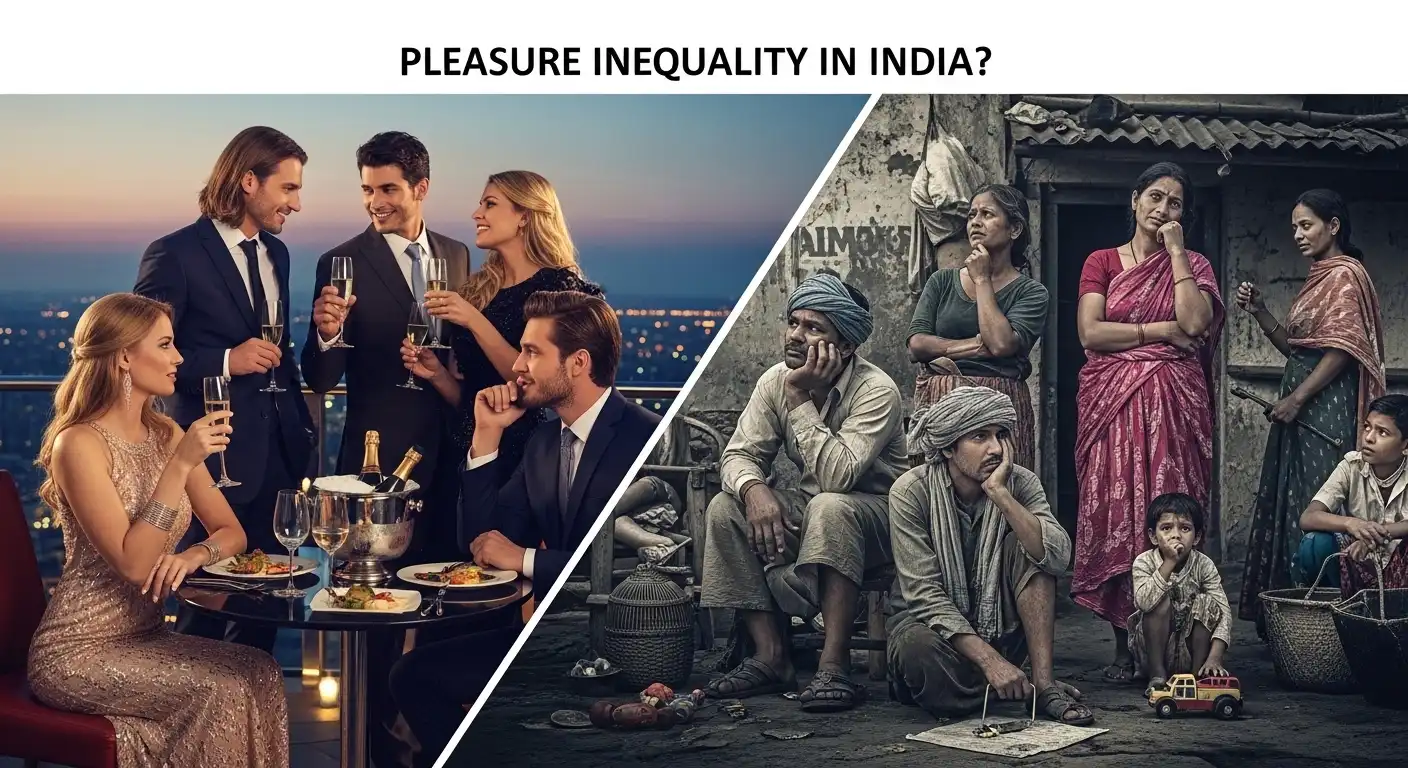
Pleasure Inequality in India: The Silent Gender Gap We Avoid Discussing

- February 17, 2026