


- March 02, 2026
Public Debate Surges Over Perceptions of Indian Men’s Behaviour and Online Stereotypes
Public debate intensifies over perceptions of Indian men’s behaviour, online stereotypes, and the need for respectful gender interactions and social reform.
- January 17, 2026
- in Table talk
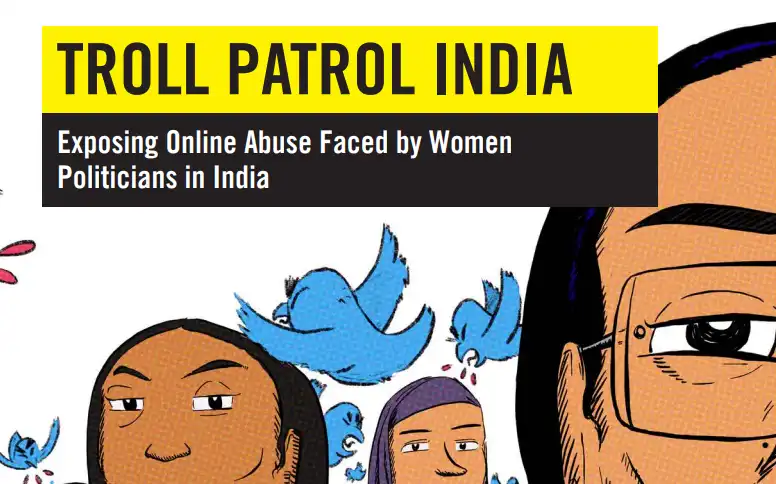
A topic of heated public discussion and social commentary has focused on perceptions of Indian men’s behaviour toward women, especially in digital and social spaces. This discourse, often framed under the controversial label that “Indian men are creepy,” reflects broader anxieties about gender interactions, social norms, and the influence of culture and media on behaviour.
Critics highlight recurring patterns in which some men, when interacting with women online or in public, display inappropriate conduct, ranging from unsolicited advances to lewd comments. Observers have noted that cheap smartphones and mass adoption of social media platforms have amplified these behaviours, turning them into widely shared internet content and global memes that reinforce negative stereotypes.
The stereotype is linked to specific online phenomena — notably lewd messages like the “bobs and vagene” trope — which gained notoriety as examples of poorly framed or disrespectful requests from men to women in comment sections. Such interactions have been widely circulated and mocked, embedding the notion that disrespectful digital conduct from some men is commonplace.
Commentators also point to cultural and societal factors contributing to this perception. In many Indian contexts, traditional norms have historically limited platonic interactions between genders, potentially leading to awkward, inappropriate, or misinterpreted behaviour when men do engage with women. Additionally, some mainstream entertainment portrayals, which glorify persistence in romance even when boundaries are clear, are cited as normalising unhealthy pursuit rather than respectful interaction. The backlash to the stereotype is significant. Critics argue that branding an entire demographic with a single term like “creepy” is unfair and reductive, warning that isolated incidents should not define all men. Such criticisms emphasise that inappropriate conduct is a human problem, not one exclusive to a nationality or culture, and that generalisations can fuel prejudice rather than constructive dialogue.
Real-world examples also feed into the debate. Independent reports have described incidents of harassment and inappropriate behaviour in public spaces, such as unwanted physical contact or remarks toward women. A notable social media clip from Bengaluru documented three women alleging they were followed by unknown men, igniting conversations about street harassment and societal safety.
Public responses reflect a complex mix of frustration, embarrassment, denial, and defensive pride. On one hand, many acknowledge that problematic behaviour must be addressed through education, awareness, and social reform. On the other hand, there is resistance to labels that appear to implicate all men based on the actions of a few.
Experts suggest that meaningful change requires deeper efforts to promote gender respect, consent education, and critical media literacy — shifts that extend beyond memes and viral commentary into long-term cultural transformation.
Note: This article includes the author’s personal opinion. The views expressed are independent and do not represent the official stance of the publication.
you may also like


- February 28, 2026
When Petty Theft Becomes a Public Image Problem

- February 28, 2026
Viral Influencer Scandal Shakes Chinese Social Media
- February 21, 2026
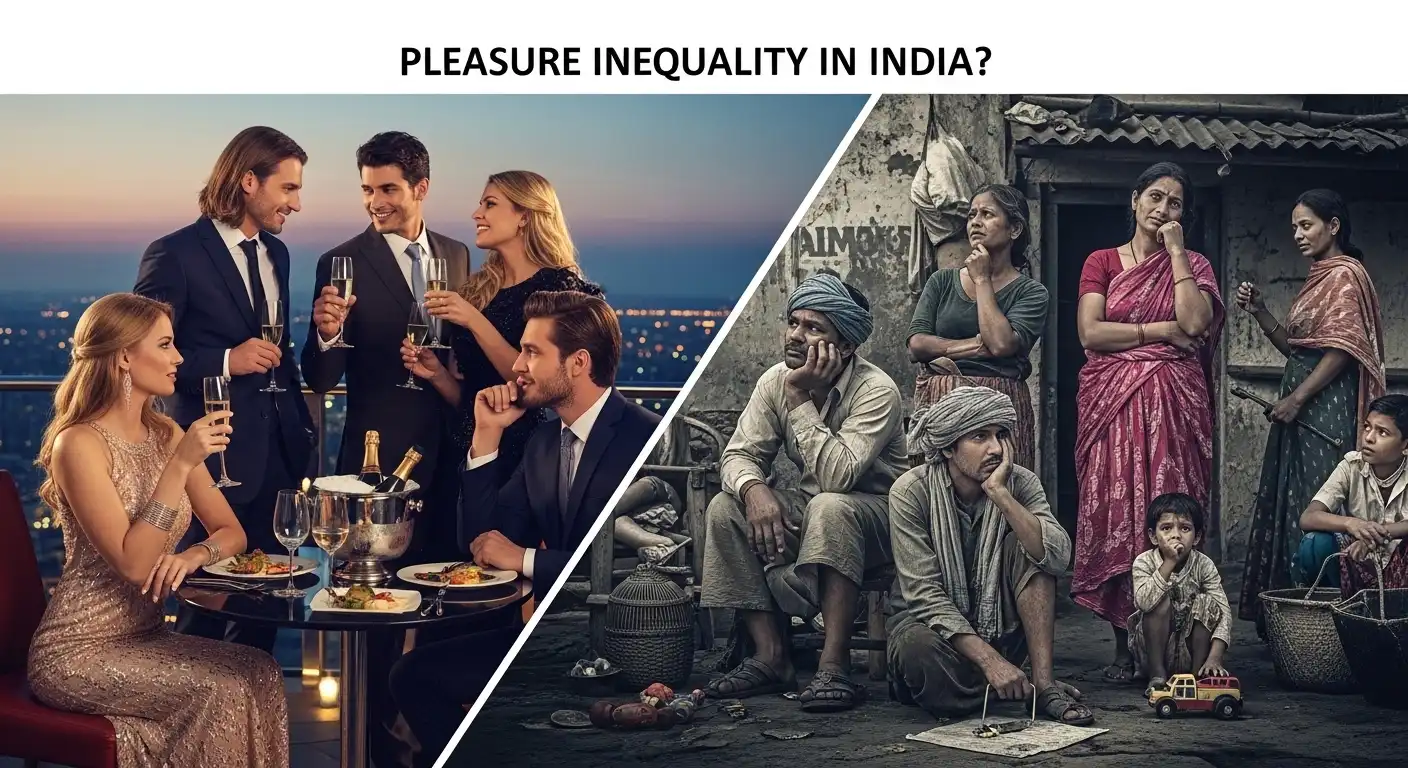
Pleasure Inequality in India: The Silent Gender Gap We Avoid Discussing

- February 17, 2026