


- March 03, 2026
Supreme Court Pulls Up Maneka Gandhi Over Stray Dog Remarks, Says Comments Amount to Contempt
The Supreme Court criticises Maneka Gandhi over her remarks on stray dog orders, saying her comments amount to contempt, but refrains from action.
- January 20, 2026
- in National
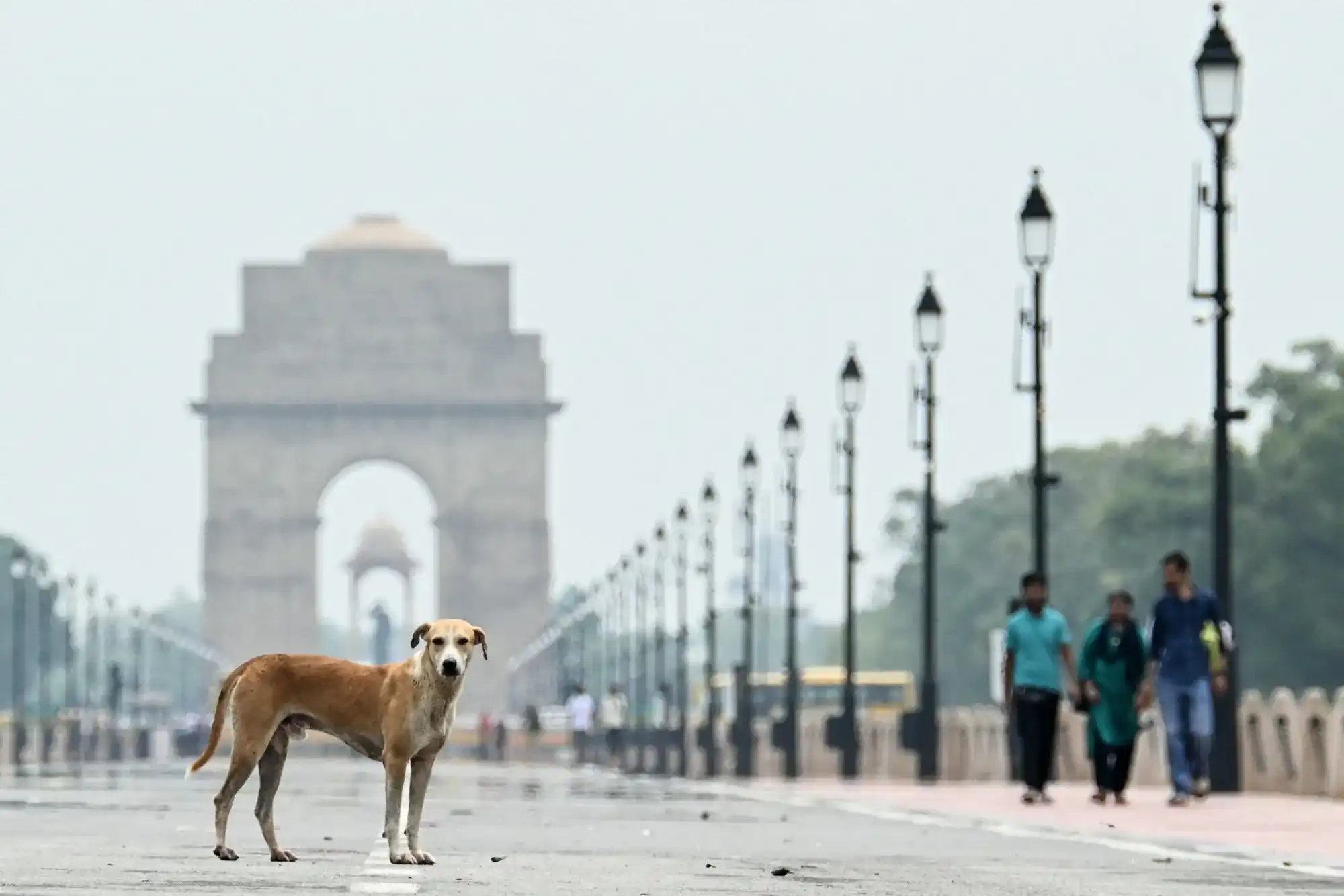
The Supreme Court of India on Tuesday strongly criticised BJP leader and former Union minister Maneka Gandhi for her public remarks targeting the court’s recent orders on the management of stray dogs, observing that her comments amounted to contempt of court.
A Bench comprising Justices Vikram Nath, Sandeep Mehta and N. V. Anjaria said that although Ms. Gandhi’s statements crossed the line, the court was refraining from initiating formal contempt proceedings due to what it described as its “magnanimity”.
During the hearing, the Bench questioned the former minister’s criticism of the judiciary, noting that she had made sweeping remarks against the court without restraint. Justice Mehta also asked what concrete steps or budgetary allocations had been supported during her tenure in government to address the stray dog issue.
The court clarified that its earlier observation about holding dog feeders accountable in cases of dog bite incidents was made seriously and not sarcastically. On January 13, the top court had indicated that States could be directed to pay heavy compensation in dog bite cases and ensure accountability in the implementation of animal control norms.
The Bench also expressed concern that rules and guidelines relating to stray animal management had not been effectively implemented for nearly five years.
Ms. Gandhi has previously opposed coercive measures against stray dogs, arguing that the real problem lies in the failure of civic systems. She has maintained that sterilisation programmes remain largely on paper, waste management is inadequate, and food and biomedical waste continue to be dumped in the open, attracting animals. According to her, targeting dogs without fixing these systemic failures amounts to punishing the symptom rather than addressing the cause.
The hearing in the matter was ongoing at the time of filing this report.
you may also like


- March 03, 2026
Gulf Tensions Rise; Evacuation Flights Reach India

- March 03, 2026
Chhattisgarh Private Schools Announce RTE Protest
- March 02, 2026
India Rejects Report Linking Officials to Nijjar Killing
- March 02, 2026