


- March 03, 2026
Supreme Court Reserves Verdict on Pleas Seeking Changes in Stray Dogs Case
The Supreme Court has reserved its order on pleas seeking modifications in the stray dogs case after hearing all stakeholders.
- January 29, 2026
- in National
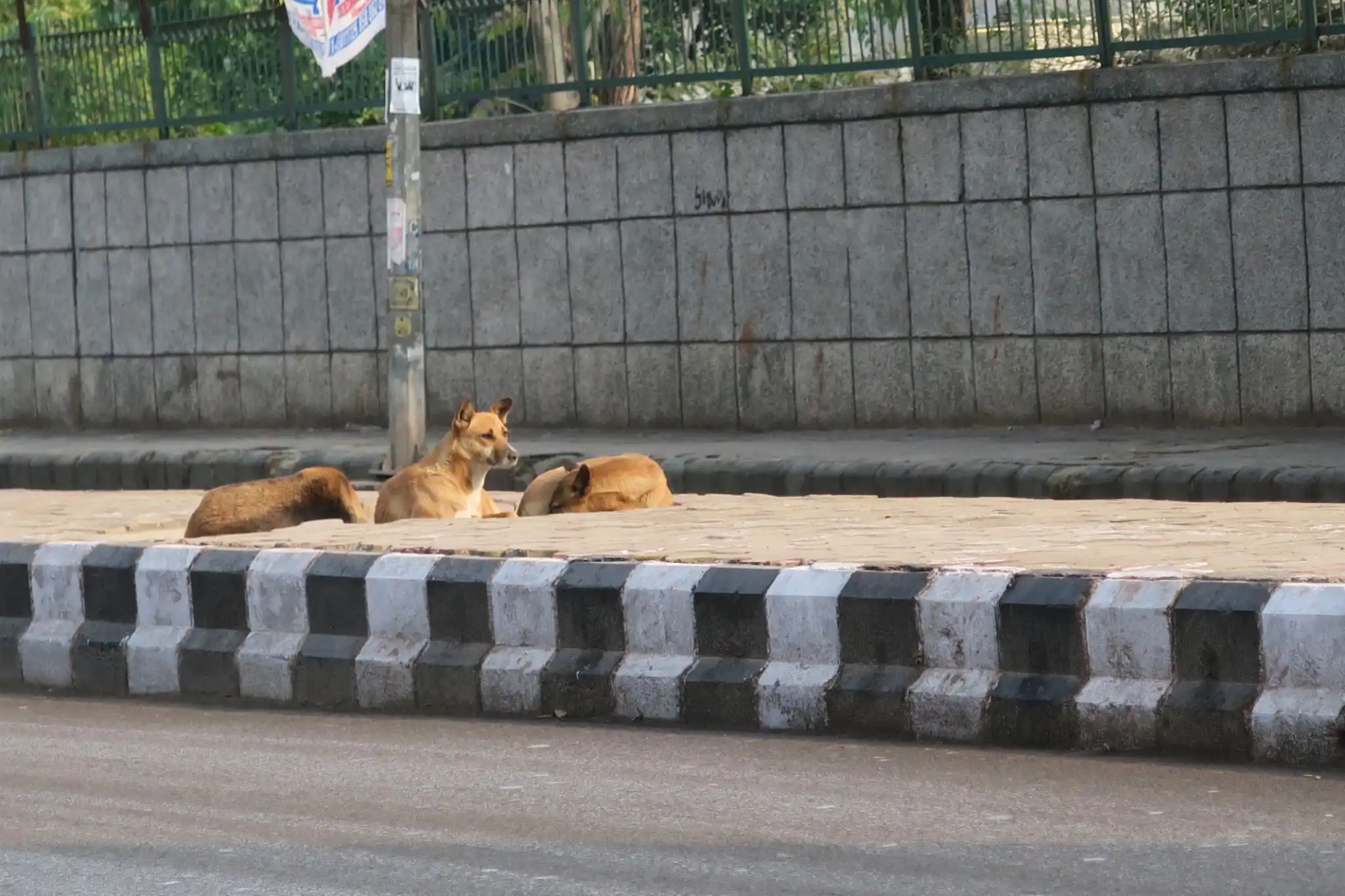
The Supreme Court of India on Thursday reserved its verdict on a batch of petitions seeking modifications to existing directions and policies governing the management of stray dogs across the country.
The court, after hearing extensive arguments from multiple stakeholders, directed all parties to submit their written submissions within a week, indicating that the matter involves complex legal, social, and public safety considerations that require careful examination.
The pleas before the apex court have raised concerns over the growing number of stray dog attacks reported from various states, particularly incidents involving children, the elderly, and vulnerable groups. Petitioners have sought clearer guidelines and possible changes to existing frameworks to balance public safety with animal welfare obligations.
During the hearings, the court heard submissions from individuals affected by dog bite incidents, representatives of animal welfare organisations, dog lovers, and counsel appearing for the Union government as well as several state governments. Each side presented sharply differing perspectives on how stray dog populations should be managed in urban and rural areas.
Those seeking modifications argued that the current implementation of policies has led to confusion among civic authorities and law enforcement agencies, often resulting in inaction even in cases where public safety is at risk. They submitted that local bodies need more clarity and authority to respond swiftly to complaints of aggressive or rabid dogs, while still adhering to humane treatment standards.
On the other hand, animal rights advocates emphasised that stray dogs are protected under existing laws and that indiscriminate relocation or harm to animals would violate constitutional principles and statutory safeguards. They argued that better implementation of sterilisation, vaccination, and adoption programmes—not punitive measures—should be the focus of municipal and state authorities.
The Centre and state governments informed the court about ongoing animal birth control programmes and vaccination drives, while also acknowledging challenges such as funding constraints, lack of trained personnel, and uneven enforcement across regions. Some states highlighted the need for a uniform national framework to avoid conflicting interpretations at the local level.
The bench indicated that the issue goes beyond isolated incidents and touches upon broader questions of urban governance, public health, animal welfare law, and the responsibilities of municipal bodies. By reserving its verdict, the court signalled that its eventual order may have far-reaching implications for how cities and towns across India handle the stray dog issue.
Further directions from the apex court are awaited, and its final ruling is expected to clarify the legal position while attempting to strike a balance between human safety concerns and the rights and welfare of animals.
you may also like


- March 03, 2026
Gulf Tensions Rise; Evacuation Flights Reach India

- March 03, 2026
Chhattisgarh Private Schools Announce RTE Protest
- March 02, 2026
India Rejects Report Linking Officials to Nijjar Killing
- March 02, 2026