


- March 03, 2026
Walking the Razor’s Edge: How India Outsmarted Trump’s Trade Pressure Without Losing Ground
India faced Trump’s tariff pressure with calm strategy, diversified alliances, and sharp diplomacy—turning trade coercion into leverage.
- February 05, 2026
- in National
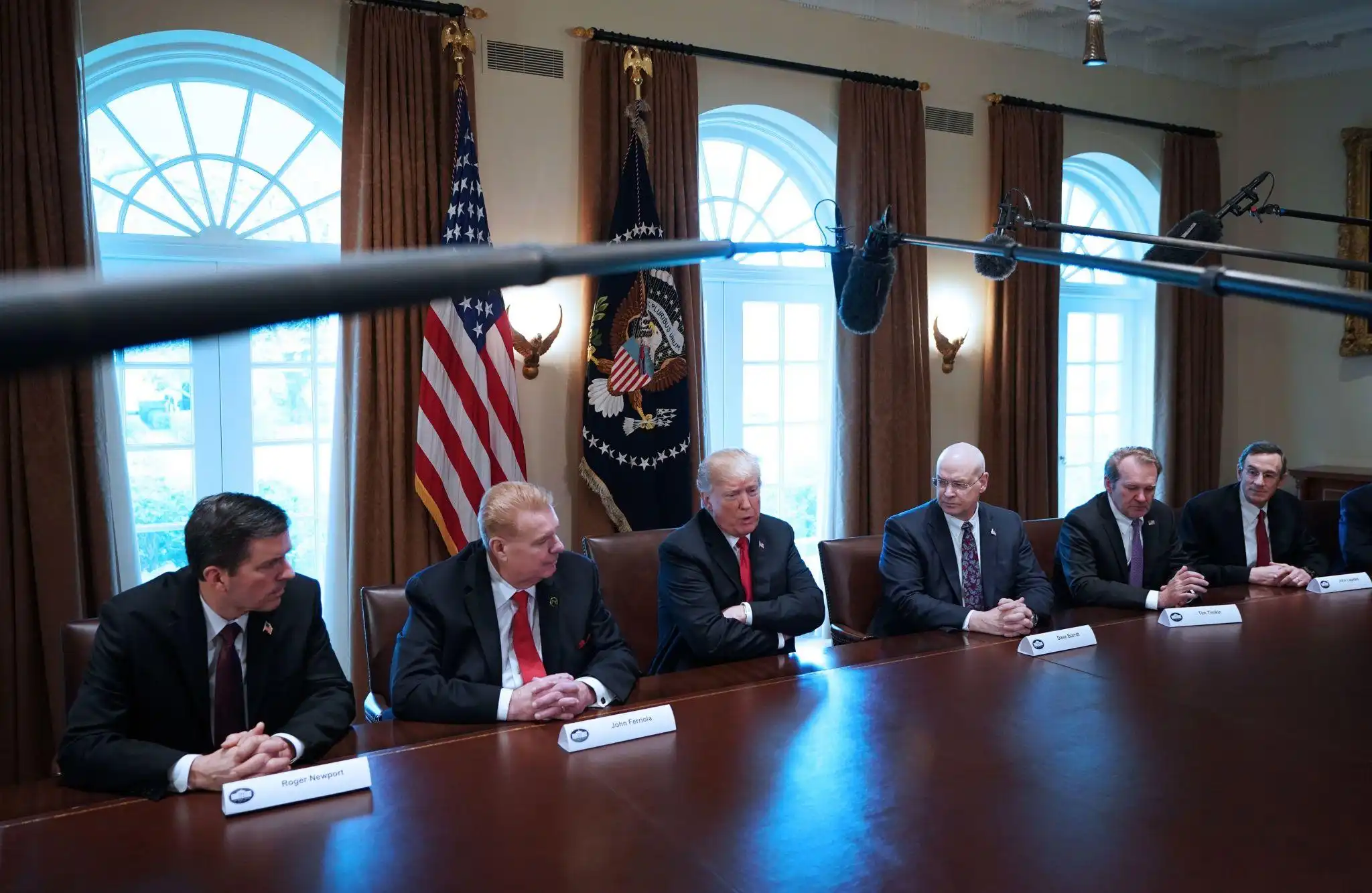
Walking the Razor’s Edge: India’s Calm Reply to Trump-Era Trade Pressure
At a time when global diplomacy increasingly resembles a shouting match, India chose something far more unsettling for its rivals: silence backed by strategy. The latest episode of OPEN COLLAR dissects how New Delhi navigated trade pressure from the Trump administration without blinking—and without bending.
The discussion features Gaurav Arya in conversation with former diplomat Ashok Sajjanhar, unpacking how India handled tariff threats, credibility gaps in US policy, and the shifting balance of global power.
Tariffs, Threats, and a Test of Nerves
When tariff pressure mounted from Washington under Donald Trump, the expectation was familiar: fall in line, negotiate loudly, or retaliate noisily. India did neither.
Instead, New Delhi adopted a posture that unnerved its counterparts—measured restraint. No public escalation. No dramatic retaliation. Just quiet recalibration of trade priorities, energy sourcing, and diplomatic messaging.
In geopolitics, overreaction is often the real weakness. India didn’t take the bait.
America’s Credibility Problem
One of the sharpest insights from the discussion points to an uncomfortable reality: the US was demanding alignment while simultaneously eroding trust. Policy unpredictability, mixed signals on trade, and selective enforcement made long-term commitments risky.
India responded not with confrontation, but with diversification—of partners, supply chains, and strategic bets. When credibility wavers, dependence becomes dangerous.
Mega Deals, Multiple Doors
Rather than centering its trade future on one power bloc, India quietly widened its options:
-
Expanding energy partnerships beyond traditional suppliers
-
Securing access to critical minerals
-
Deepening ties across regions without ideological baggage
This wasn’t hedging—it was insurance. And it sent a clear message: India will engage, but not be cornered.
Strategic Autonomy, Not Alliance Politics
Perhaps the most biting takeaway from the episode is this: national interest outlived alliance theatrics. While others framed global politics as loyalty tests, India treated it as a chessboard.
The result? Trade pressure lost its sting. Silence became leverage. And the much-feared tariffs turned into background noise rather than a crisis headline.
If coercion was the tool, patience was the counter.
The Razor’s Edge Moment
The episode’s title isn’t poetic exaggeration. India truly walked a razor’s edge—balancing engagement with resistance, dialogue with distance. One misstep could have triggered escalation. Instead, restraint rewrote the rules.
For critics expecting drama, the outcome may seem underwhelming. For strategists, it’s textbook statecraft.
you may also like


- March 03, 2026
Gulf Tensions Rise; Evacuation Flights Reach India

- March 03, 2026
Chhattisgarh Private Schools Announce RTE Protest
- March 02, 2026
India Rejects Report Linking Officials to Nijjar Killing
- March 02, 2026