


- March 03, 2026
2,000 Followers, One Deleted Channel: How Online Isolation and Fantasy Shaped a Tragic Ghaziabad Case
A Ghaziabad tragedy highlights the impact of online isolation, digital fantasy, and family conflict on vulnerable young minds.
- February 06, 2026
- in National
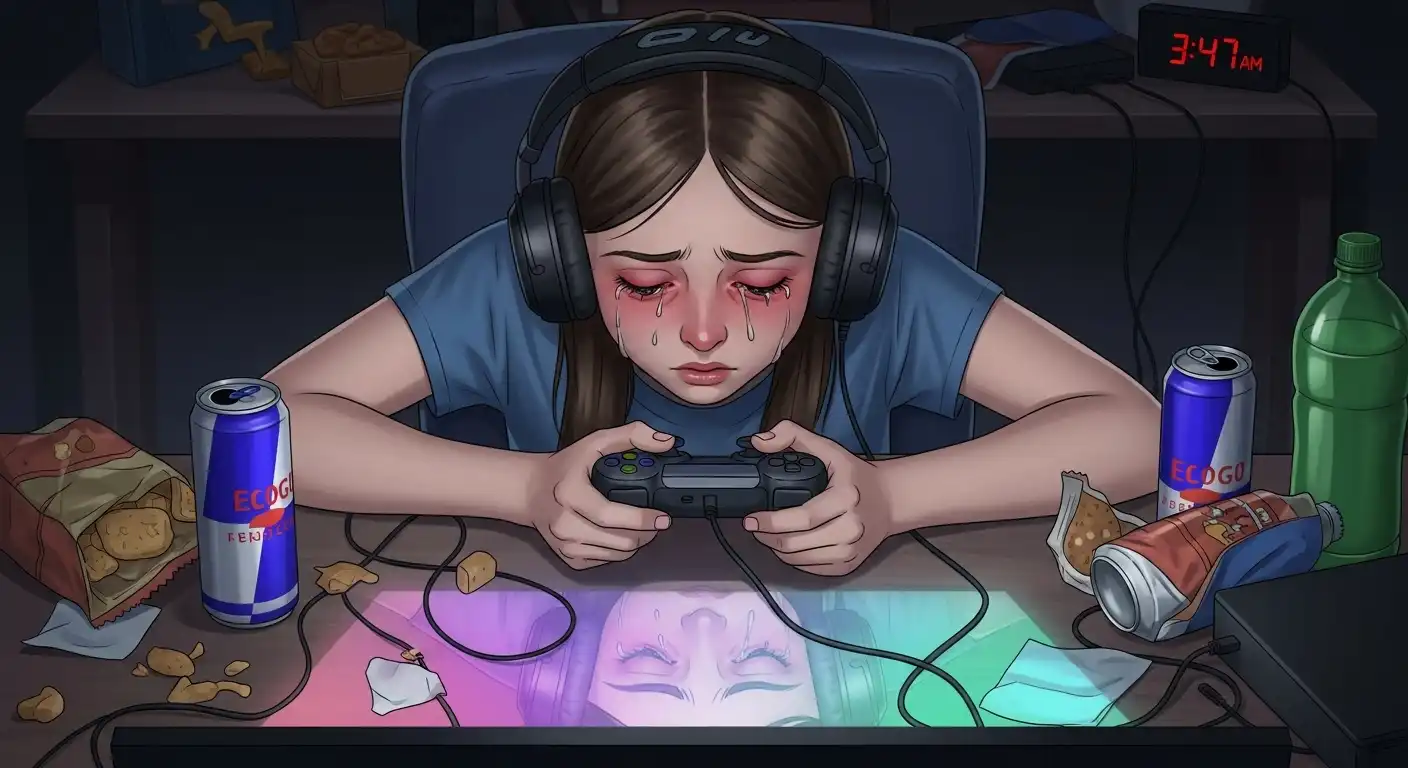
A tragic incident in Ghaziabad has reopened a difficult but necessary conversation about digital isolation, online fantasy, and the fragile mental health of adolescents growing up in confined social environments.
Three sisters — all minors — were found dead after allegedly jumping from a high-rise residential building in a gated society. Authorities have ruled out foul play, stating that post-mortem findings point to death caused by shock and haemorrhage due to injuries sustained from the fall.
What has drawn national attention, however, is not just the incident itself, but the circumstances that appear to have shaped the sisters’ inner world long before the final act.
A Digital World Built in Isolation
Investigations reveal that the sisters had created an online presence centered around animated characters, fantasy themes, and foreign pop culture influences. Over a short span, their content attracted around 2,000 followers — a modest number in internet terms, but seemingly significant in a household where offline social interaction was limited.
According to officials, the children had stopped attending school several years ago and did not have regular peer interaction. Since the pandemic period, their social world gradually shrank, while their dependence on online content and each other deepened. Scribbles found inside their room reportedly reflected loneliness and emotional withdrawal.
This growing isolation, authorities believe, may have intensified their immersion into a fantasy-driven digital identity — one that increasingly clashed with the realities and expectations of their household.
Family Conflict and Cultural Tension
The girls’ father told investigators that disagreements had escalated within the family over their online habits, cultural influences, and aspirations shaped by digital content. Financial stress within the household further complicated matters.
In an attempt to curb what he perceived as unhealthy fixation, access to personal devices was restricted, and the online channel was eventually removed. Officials say this decision, while intended as discipline, may have unintentionally deepened the emotional rift.
The children reportedly withdrew further after losing access to their digital outlet — the only space where they felt seen, validated, and in control.
The Final Hours
On the night of the incident, the sisters were last seen interacting normally with family members. Later, they used a shared phone for several hours. In the early morning, they entered a prayer room, locked it from inside, and jumped from a window.
A note recovered from the scene asked for immediate attention from their father. Authorities are examining its contents as part of the investigation. Devices previously sold are also being traced for forensic analysis to understand the girls’ online activity and mental state more clearly.
A Larger Warning Beyond One Household
Mental health experts point out that this case is not an isolated anomaly but a reflection of a growing pattern: children forming emotional identities almost entirely online, while lacking structured education, peer interaction, or professional psychological support.
The tragedy underscores how sudden digital withdrawal, when not paired with emotional intervention, can have devastating consequences — especially for minors already struggling with isolation.
The Bigger Picture
This incident forces a deeper look at parenting in the digital age — where access, restriction, culture, and communication collide in unpredictable ways. It also highlights the urgent need for mental health awareness, early intervention, and institutional support for children living on the margins of formal education and social systems.
Technology alone did not create this tragedy. Silence, isolation, and unmet emotional needs likely played equal roles.
you may also like


- March 03, 2026
Gulf Tensions Rise; Evacuation Flights Reach India

- March 03, 2026
Chhattisgarh Private Schools Announce RTE Protest

- March 02, 2026
India Rejects Report Linking Officials to Nijjar Killing
- March 02, 2026