


- March 03, 2026
81% Railway Tracks Now Ready for 110 kmph Speed
Government says 81% of Indian Railways tracks now support speeds above 110 kmph, with 23,000+ km ready for 130 kmph operations.
- February 16, 2026
- in National
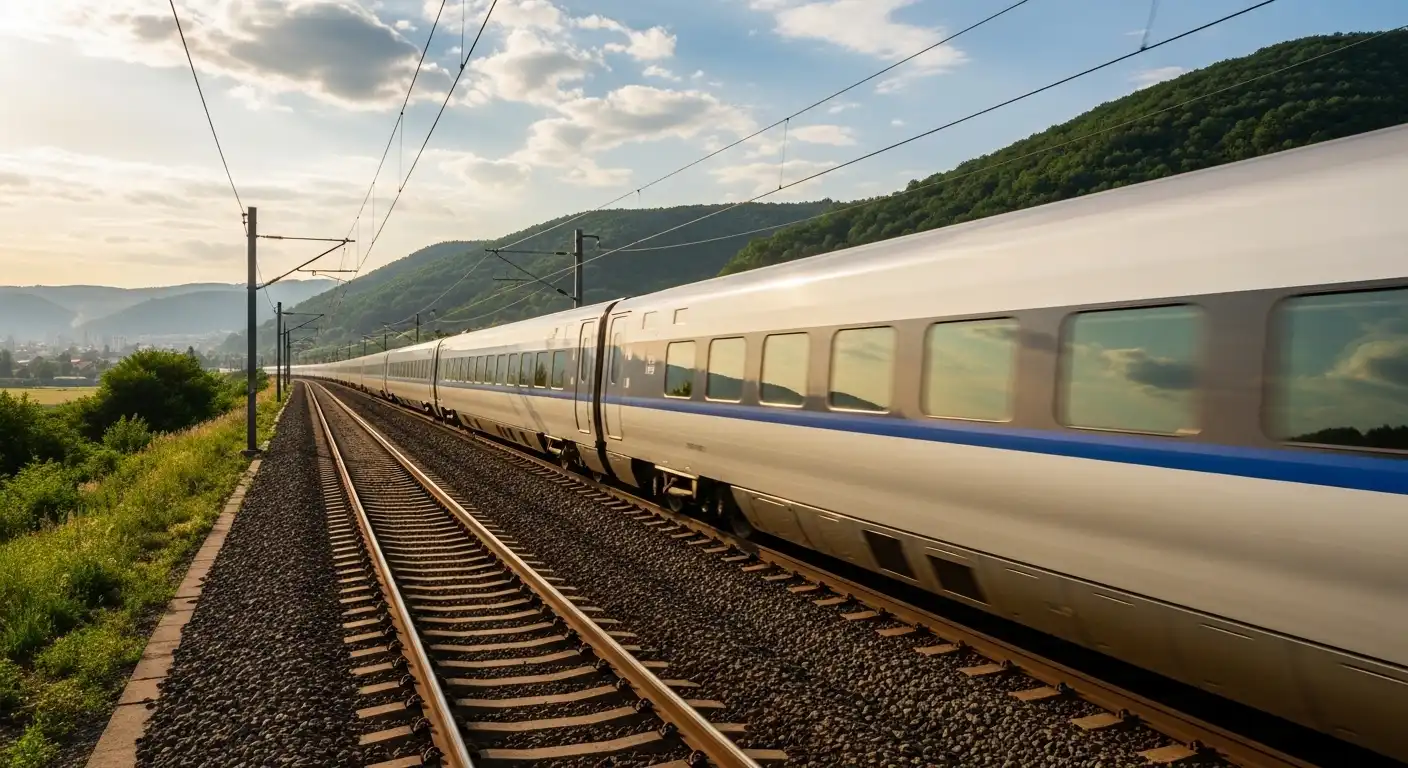
The government has informed Parliament that nearly 81% of India’s railway tracks are now capable of supporting train speeds of 110 kmph or more.
This marks a major increase compared to 2014, when the proportion of such tracks was significantly lower.
According to official data, about 84,888 kilometres of the country’s nearly 1.1 lakh-km railway network have been upgraded for speeds of 110 kmph and above. Of these, around 23,477 km can support speeds of 130 kmph or more.
Faster Speeds Across the Network
Officials said the speed upgrades have been carried out across the broader railway system rather than being limited to select corridors.
Around one-fifth of the total network can now handle trains running at over 130 kmph. This includes several long stretches that have been progressively strengthened to allow higher speeds.
The upgrades are helping Indian Railways introduce newer trains such as Vande Bharat (both chair car and sleeper versions) and Amrit Bharat services.
Upgrading Existing Tracks
Unlike countries such as China, Japan and France that built separate high-speed passenger corridors, India has focused on upgrading existing tracks that carry both passenger and freight trains.
Officials said this approach is more complex because it requires improvements in track structure, signalling systems, electrification and safety measures — all without disrupting daily operations.
India’s railway network handles heavy freight traffic and long-distance passenger services on the same lines.
Laddered Speed Strategy
Railway ministry officials said the strategy involves gradually upgrading tracks from 110 kmph to 130 kmph and eventually to 160 kmph where feasible.
This creates what officials describe as a “laddered speed ecosystem,” allowing systems, staff training and signalling infrastructure to adapt over time.
The upgraded speed capability is spread across multiple railway zones, including freight-heavy zones such as East Central Railway, South East Central Railway and South Central Railway.
Large-Scale Operations
Indian Railways operates one of the world’s largest rail networks, carrying over 2.5 crore passengers daily. It also runs long freight trains with heavy axle loads while maintaining full electrification and expanding automated signalling systems.
Officials said speed upgrades under such operational conditions are being carried out at a large scale while maintaining regular services.
you may also like


- March 03, 2026
Gulf Tensions Rise; Evacuation Flights Reach India

- March 03, 2026
Chhattisgarh Private Schools Announce RTE Protest

- March 02, 2026
India Rejects Report Linking Officials to Nijjar Killing
- March 02, 2026