



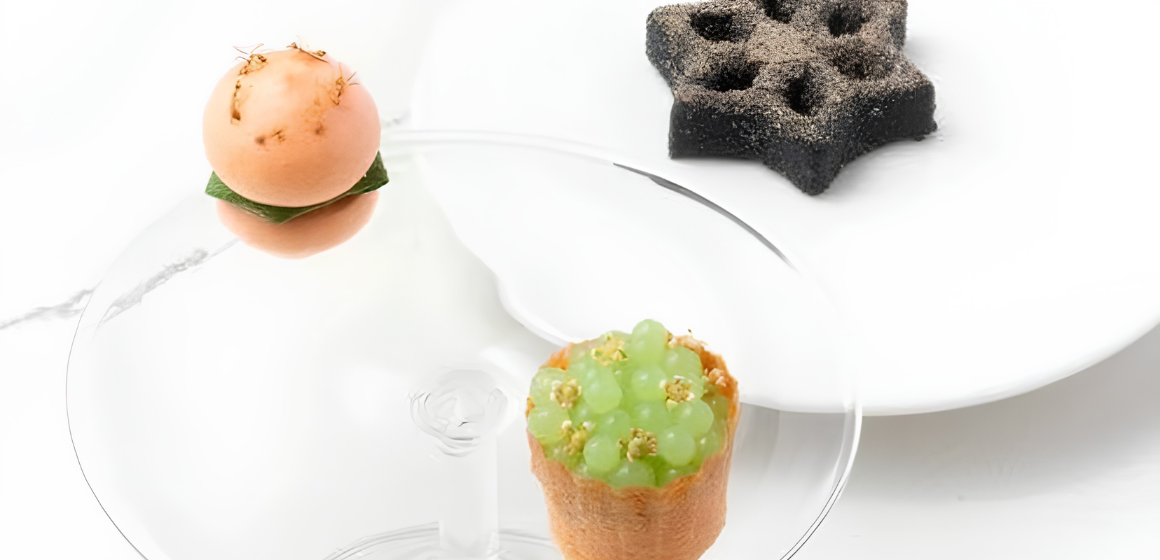
High-end restaurants and mixology bars across major Indian metropolitan areas are increasingly incorporating local edible insects—including red weaver ants, silkworm pupae, termites, and crickets—into tasting menus and craft beverage programs. Culinary leaders behind the movement emphasize that the trend is intended to honor deep-rooted indigenous food traditions rather than generate sensationalism or shock value for urban diners.
For generations, communities across states such as Chhattisgarh, Jharkhand, Odisha, West Bengal, and regions of the Northeast have harvested insects like red weaver ants for traditional dishes, including citrusy, sharp preparations like kai chutney or chapra. In modern kitchens, chefs are utilizing these ingredients specifically for their functional culinary properties. Red weaver ants, valued for their high concentration of formic acid, offer a natural acidity, depth, and resinous flavor comparable to ingredients like yuzu, sumac, or green mangoes. Other ingredients, such as silkworm pupae and toasted termites, are leveraged for their buttery, nutty, and earthy umami profiles in both savory dishes and artisanal cocktails.
While international fine-dining institutions have previously featured insects, their integration into India’s urban food scene faces distinct challenges, primarily centered on consumer perception and psychological hesitation rather than palate appeal. Chefs note that once diners bypass initial preconceptions, response to the complex flavor profiles is overwhelmingly positive. Ultimately, culinary experts view this broader adoption not as a novel invention by fine-dining establishments, but as an essential platform to acknowledge, respect, and integrate longstanding indigenous ecological and gastronomic knowledge into mainstream food culture.
Leave a Reply