



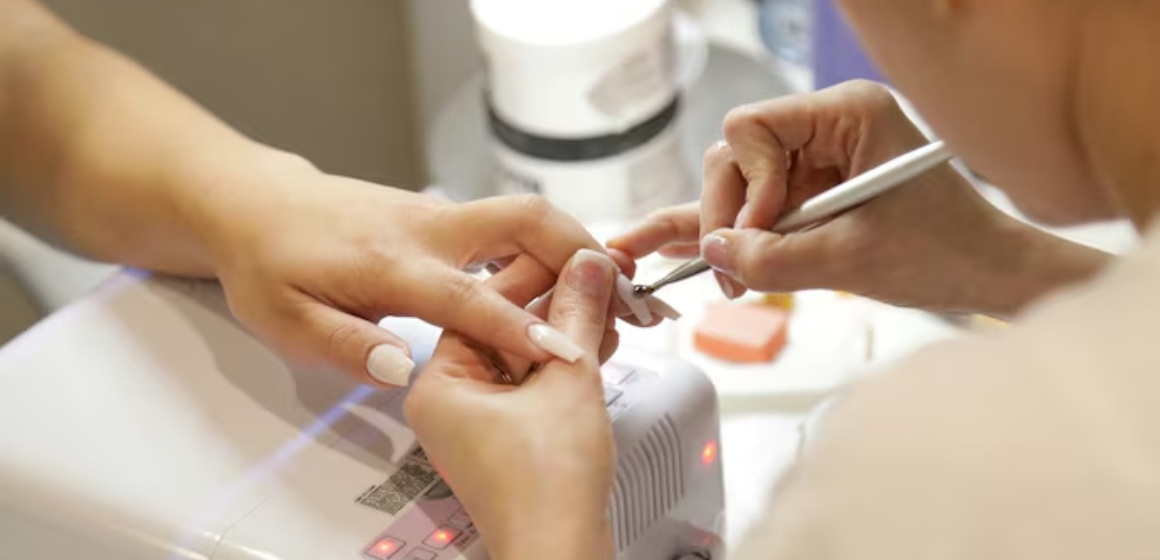
The United Kingdom has implemented a ban restricting the sale of new cosmetic products containing Trimethylbenzoyl Diphenylphosphine Oxide (TPO), a chemical photoinitiator commonly used to harden gel nail polish under ultraviolet or light-emitting diode lamps. The regulatory move follows the European Union’s prohibition of the substance after toxicity classifications raised concerns regarding its potential reproductive harm and skin sensitization. While British salons are granted a phased transition period to deplete existing stock, the policy has ignited debate in India concerning ingredient transparency and safety standards.
In response to public inquiries over potential dietary ingestion risks—given regional customs of eating directly with hands—medical experts clarify that standard cosmetic exposure levels differ significantly from high-dose laboratory animal studies. Dermatologists emphasize that occasional nail polish ingestion via chipped fragments presents minimal direct systemic risk. However, health professionals note that repeated topical exposure to uncured photoinitiators, alongside routine exposure to curing lamps, can trigger contact dermatitis and skin sensitivities.
Rather than calling for an outright product ban, medical and industry specialists suggest that the domestic cosmetic sector requires enhanced regulatory oversight. Focus points include mandatory comprehensive ingredient labeling, batch verification, clear manufacturing details, and expiration tracking across imported and locally manufactured personal care items. Experts recommend that consumers opt for transparently labeled formulations or traditional air-dried alternatives while regulatory bodies evaluate chemical safety profiles.
Leave a Reply