


- March 03, 2026
Article 324 Gives Election Commission Power Over Electoral Rolls, Argues Rakesh Dwivedi in Supreme Court
In the Supreme Court, the Election Commission argues Article 324 grants it authority to prepare and revise electoral rolls through SIR.
- January 06, 2026
- in National
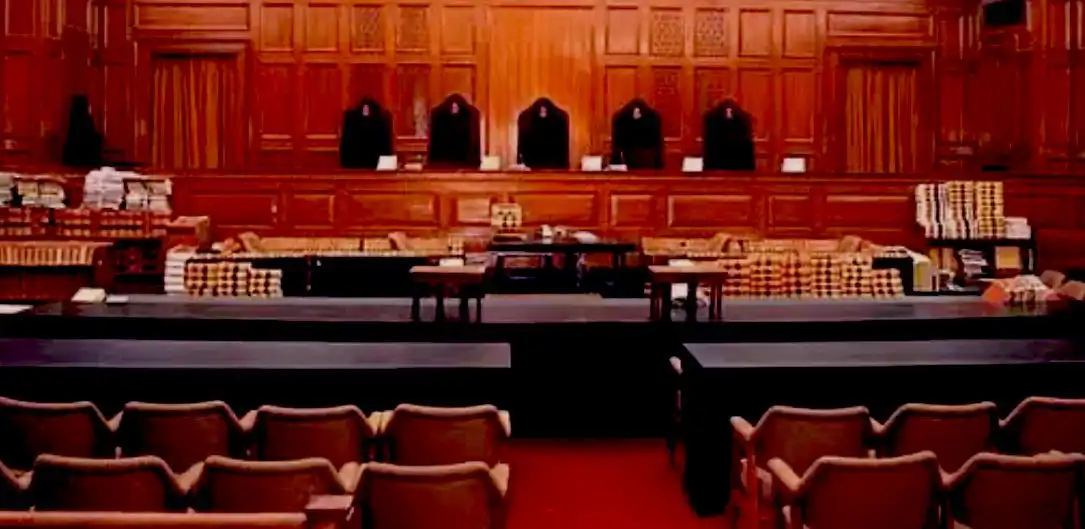
The Supreme Court on Tuesday continued hearing petitions challenging the Election Commission of India’s decision to conduct a Special Intensive Revision (SIR) of electoral rolls in several States, including Bihar, with senior advocate Rakesh Dwivedi defending the constitutional authority of the poll body.
Appearing for the Election Commission of India, Dwivedi argued that Article 324 of the Constitution explicitly grants the Commission control over the preparation and revision of electoral rolls. He countered claims by petitioners that only the Central government could address issues related to electoral roll revision.
Dwivedi told the court that the Constitution empowers the Election Commission to act independently in electoral matters, and that Articles 324 and 327 together recognise the Commission’s authority alongside Parliament’s law-making powers. He asserted that nothing in the Constitution restricts the Commission from undertaking revisions such as the SIR.
Debate on Constitutional Intent
During the hearing, Dwivedi referred to Constituent Assembly debates to underline the framers’ intent behind creating a single, central election body. He said the foundational principle guiding the Election Commission’s formation was universal adult suffrage, ensuring that all eligible citizens are included in the electoral process.
He further argued that the revision exercise was not a disguised citizenship verification drive, as alleged by petitioners, but a lawful process aimed at maintaining accurate and updated electoral rolls.
Election Commission’s Stand
The Election Commission has maintained that the objective of the SIR is to ensure that no eligible Indian citizen is excluded from the voter list. The Commission has also pointed out that such intensive revisions have not been conducted for decades, making the current exercise necessary.
The court was informed that previous discussions had acknowledged the long gap since the last comprehensive revision, and that the exercise was intended to strengthen electoral integrity rather than disenfranchise voters.
The Supreme Court is expected to continue hearing arguments from all parties before deciding on the constitutional validity and scope of the Special Intensive Revision.
you may also like


- March 03, 2026
Gulf Tensions Rise; Evacuation Flights Reach India

- March 03, 2026
Chhattisgarh Private Schools Announce RTE Protest
- March 02, 2026
India Rejects Report Linking Officials to Nijjar Killing

- March 02, 2026