

Bihar has taken one of its biggest steps in recent years to expand higher education by opening 211 new government degree colleges across the state. The initiative aims to ensure that students, particularly those living in rural and remote areas, can pursue undergraduate education without travelling long distances.
While the expansion has been welcomed as a major policy decision, the situation on the ground tells a different story. Many of the newly established colleges have started admissions even though they are still operating without permanent campuses, adequate teaching staff, libraries and several basic facilities required for regular academic activities.
Bihar’s Largest Higher Education Expansion Begins
The new colleges were inaugurated on July 15, 2026, marking one of Bihar’s most ambitious education projects. The primary objective is to bring degree-level education closer to students in blocks that previously lacked government colleges.
The initiative is expected to increase enrolment in higher education and reduce the financial burden on students who often travel to nearby cities for undergraduate studies.
However, while admissions have already started, many institutions are still in the early stages of becoming fully functional.
Temporary Campuses Replace Permanent College Buildings
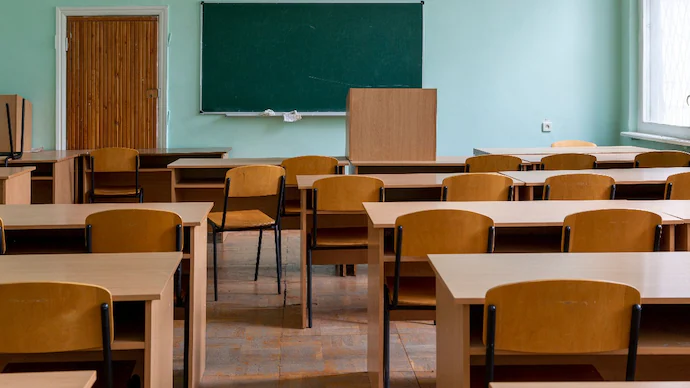
One of the biggest challenges facing the new colleges is the absence of permanent infrastructure.
Several institutions are currently functioning from government schools, intermediate colleges and other public buildings until dedicated campuses are constructed.
Although classrooms have been arranged in many places, students continue to face shortages of libraries, books, laboratories, furniture and other essential academic resources.
Officials have indicated that infrastructure development will continue in phases, but the transition period has created difficulties for newly admitted students.
Teacher Shortage Emerges as the Biggest Challenge
Faculty availability has become another major concern.
Admissions have been opened for subjects such as History, Hindi, English, Political Science, Sociology and Economics, yet regular teachers have not been appointed in many colleges.
Instead, academic work is being managed through principals, professors and administrative staff deputed from nearby universities and existing government colleges.
Education experts believe that while launching new institutions is an important step, recruiting qualified faculty will determine the long-term success of the project.
District Reports Highlight Ground Reality
Purnia
Six new government degree colleges have been established across different blocks in Purnia district.
At one of the newly opened colleges, around 120 students have already enrolled. Classrooms and seating arrangements are available, but the library remains without books. Academic activities are currently being supervised by only two teachers working on deputation while additional faculty appointments are awaited.
College officials say classes for all approved subjects will gradually begin once more teachers join.
Muzaffarpur
A government degree college operating from a middle school campus has started admissions, but staffing remains a challenge.
More than twenty students have enrolled, with History emerging as the most preferred subject. Ironically, no regular History teacher is currently available.
The college administration is functioning with temporary staff, and officials expect normal teaching activities to expand after faculty recruitment.
Saran
In Saran district, another newly established college is operating from an existing intermediate college.
Construction work continues alongside academic preparations. Basic facilities including drinking water, toilets and furniture are still being developed.
Admissions have already crossed eighty students, while the institution currently relies on deputed administrative officials to manage daily operations.
Similar Challenges Reported in Siwan and Gopalganj
Siwan has received ten new government degree colleges under the expansion programme.
One of these institutions has enrolled dozens of students but currently has only two teachers available for six proposed academic subjects. Students have welcomed the availability of a nearby college but expressed concern over the limited teaching staff.
In neighbouring Gopalganj, another newly opened college has admitted over ninety students against nearly three hundred sanctioned seats.
While faculty members are available for Political Science and Economics, appointments for History, Hindi, English and Sociology are still pending. The institution is also functioning without its own permanent building.
Government Says Development Will Continue in Phases
The state government has acknowledged that several newly launched colleges are yet to receive complete infrastructure and full-time faculty.
Officials maintain that the priority was to begin academic sessions and improve access to higher education first, while construction work, recruitment of teachers and development of facilities will continue over the coming months.
The phased implementation strategy, according to the administration, is intended to avoid delaying educational opportunities for students waiting to begin undergraduate courses.
Expansion Creates Opportunities but Also Expectations
Opening 211 government degree colleges represents a major investment in Bihar’s education sector.
For thousands of students, especially those from rural families, nearby access to undergraduate education can reduce travel expenses, encourage higher enrolment and improve educational outcomes.
However, infrastructure alone cannot guarantee quality education.
Experts believe that permanent campuses, qualified faculty, libraries, laboratories, digital learning resources and administrative support must be developed quickly to ensure these institutions deliver meaningful academic experiences.
The coming months will therefore be crucial in determining whether Bihar’s ambitious higher education expansion becomes a long-term success or continues to struggle with operational challenges.
Conclusion
Bihar’s decision to establish 211 new government degree colleges marks a significant milestone in expanding access to higher education across the state. While admissions have begun and students now have opportunities closer to home, many colleges are still waiting for permanent campuses, adequate teaching staff and essential academic facilities. The government’s next challenge will be ensuring that infrastructure development and faculty recruitment keep pace with student enrolment so that these institutions can provide quality education in the years ahead.
FAQs
1. Why has Bihar opened 211 new degree colleges?
The state aims to improve access to higher education by establishing government colleges in blocks that previously lacked undergraduate institutions.
2. Are the new colleges fully operational?
Admissions have started, but many colleges are still developing infrastructure and recruiting faculty.
3. What are the major challenges facing these colleges?
Teacher shortages, temporary campuses, incomplete libraries, limited furniture and ongoing construction work are the biggest challenges.
4. Which subjects are currently being offered?
Most colleges have started admissions for History, Hindi, English, Political Science, Sociology and Economics.
5. Why are many colleges operating from temporary buildings?
Permanent campuses are still under construction, so existing schools and government institutions are being used temporarily.
6. Have regular teachers been appointed?
Many colleges are currently functioning with teachers and administrators on deputation, while permanent recruitment is pending.
7. Which districts have reported infrastructure issues?
Ground-level challenges have been reported from Purnia, Muzaffarpur, Saran, Siwan and Gopalganj.
8. What has the government said about the shortages?
The government says infrastructure development, faculty appointments and campus construction will be completed in phases.
9. How will these new colleges benefit students?
They are expected to improve access to affordable higher education, particularly for students living in rural and underserved areas.
10. What should students expect in the coming months?
Students can expect gradual improvements as more teachers are recruited, permanent campuses are developed and academic facilities are expanded.
Leave a Reply