


- March 02, 2026
Do Blue Light Glasses Really Help Your Eyes?
An ophthalmologist explains whether blue light glasses reduce digital eye strain, protect vision, or are just a lifestyle trend.
- February 21, 2026
- in Lifestyle
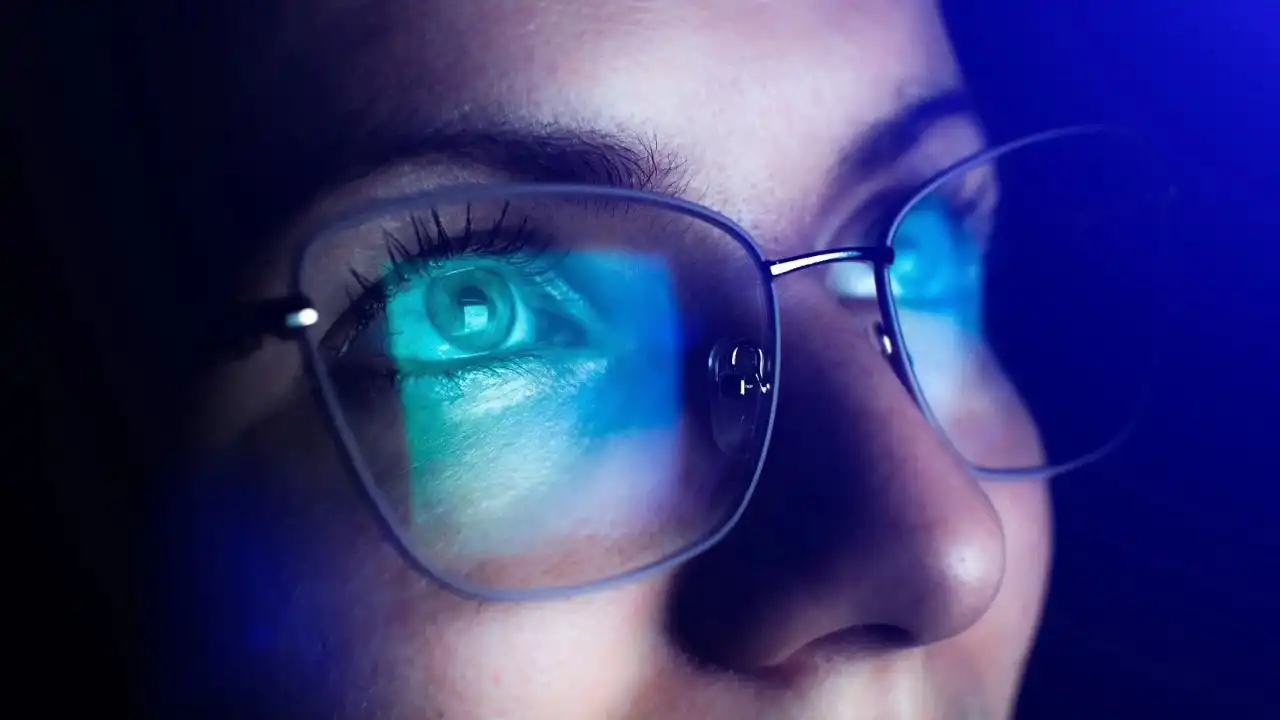
With screens dominating daily life, many people are turning to blue light glasses to protect their eyes. But do these lenses actually reduce digital eye strain?
According to Dr Hasnain Shikari, consultant ophthalmologist at Saifee Hospital, the benefits of blue light glasses may not be as significant as marketing suggests.
What Causes Digital Eye Strain?
Dr Shikari explained that common symptoms such as dryness, irritation, blurred vision and headaches are mainly caused by prolonged screen use — not blue light itself.
Reduced blinking, extended focus at close distances and poor posture are the primary reasons behind digital eye strain. He noted that blue light filtering lenses do not significantly reduce these symptoms compared to regular lenses.
Is Blue Light Harmful to Eyes?
Concerns about long-term retinal damage from screens have grown in recent years. However, Dr Shikari said these fears are “overstated.”
He clarified that the intensity of blue light emitted from digital devices is far below levels known to cause retinal harm. Currently, there is no convincing clinical evidence linking everyday screen exposure to macular degeneration or permanent vision loss.
What About Sleep Disruption?
Blue light can affect sleep by suppressing melatonin and shifting the body’s natural sleep cycle. But instead of relying only on tinted lenses, experts recommend practical habits.
Reducing screen time before bed and using night mode settings on devices may be more effective strategies for improving sleep quality.
Who Might Benefit?
Some individuals may find subjective comfort from blue light glasses. Dr Shikari said people with heavy evening screen exposure or sensitivity to glare might feel some relief.
However, for students, office workers and gamers, blue light glasses are often more of a lifestyle accessory than a medical necessity. He also noted that major ophthalmology bodies have not recommended routine use of blue light filtering lenses.
What Actually Helps?
Instead of focusing only on glasses, experts suggest improving screen habits:
-
Follow the 20-20-20 rule (every 20 minutes, look at something 20 feet away for 20 seconds)
-
Blink consciously and frequently
-
Maintain proper lighting
-
Position screens at eye level
-
Use anti-glare coatings if needed
-
Treat underlying dry eye conditions
Dr Shikari emphasised that healthy visual habits and regular eye check-ups are more important than tinted lenses.
The Bottom Line
Blue light glasses are not harmful. But for most people, they are unlikely to provide major medical benefits.
Protecting your vision in the digital age depends more on good screen practices than on specialised eyewear.
Note: This article is for informational purposes only and does not replace professional medical advice. Consult a qualified healthcare provider for personal concerns.
you may also like


- March 02, 2026
iPhone 17e Launched in India at Rs 64,900

- March 02, 2026
Tea & Biscuits on Empty Stomach? Expert Warns

- March 02, 2026
