


- March 02, 2026
Heart Attack vs Cardiac Arrest: Key Differences
Bengaluru cardiac surgeon Dr Chiran Babu explains how to spot sudden cardiac arrest vs heart attack and what to do in an emergency.
- February 23, 2026
- in Lifestyle
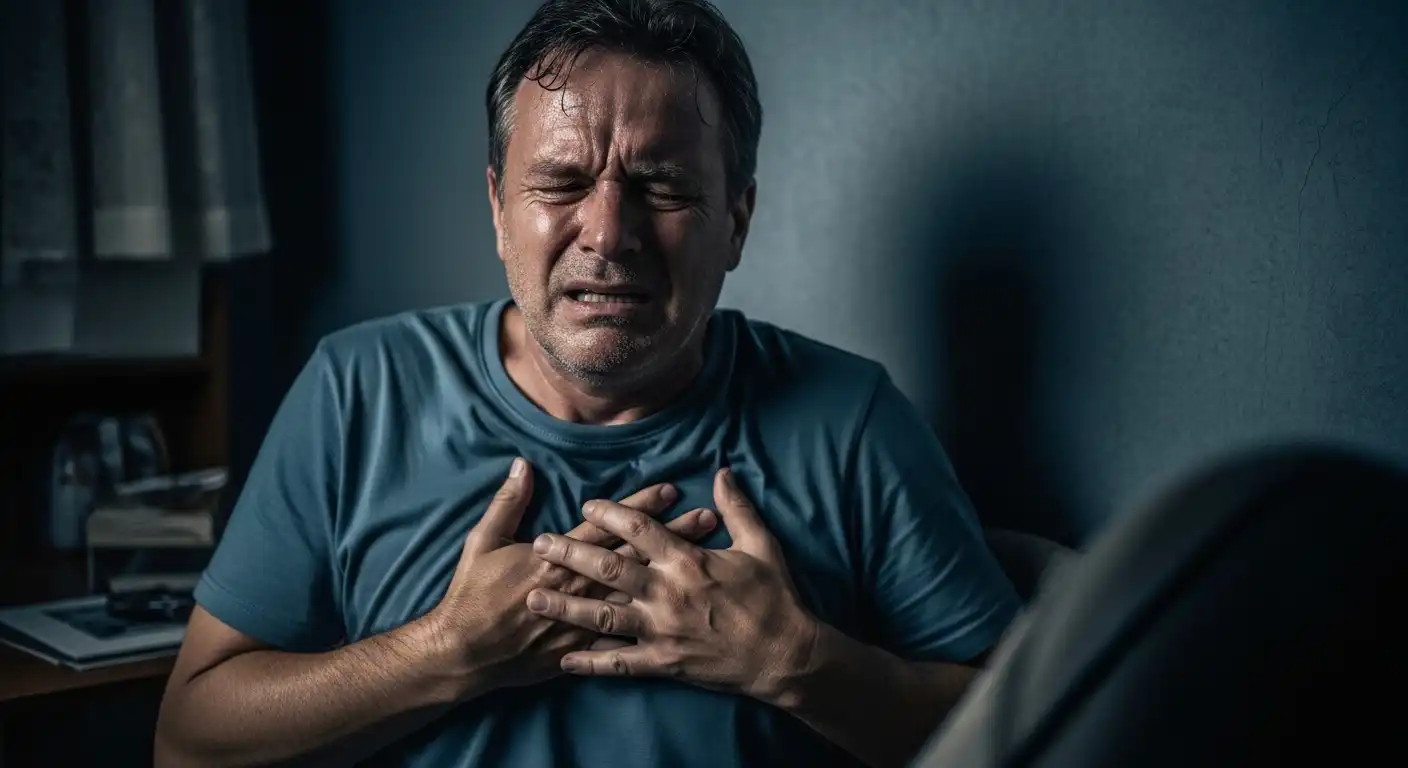
Sudden collapses are often assumed to be heart attacks. However, doctors say that not every collapse is caused by a blocked artery. In many cases, it could be sudden cardiac arrest (SCA) — a life-threatening emergency that requires immediate action.
Dr Chiran Babu A, Director and Senior Consultant of Cardiothoracic and Vascular Surgery in Bengaluru, explains that understanding the difference between a heart attack and sudden cardiac arrest can help save lives.
What Is a Heart Attack?
According to Dr Babu, a heart attack occurs when blood flow to part of the heart muscle is blocked, usually due to a clot in a coronary artery.
Common warning signs include:
-
Chest pain or pressure
-
Sweating
-
Nausea
-
Shortness of breath
In most heart attack cases, the heart continues beating. The person is usually conscious and may be able to seek help.
What Is Sudden Cardiac Arrest (SCA)?
Sudden cardiac arrest is different. It is an electrical problem where the heart suddenly stops pumping blood effectively because of a dangerous rhythm disturbance.
When SCA occurs:
-
The person collapses suddenly
-
Loses consciousness within seconds
-
Stops breathing normally
Blood flow to the brain stops immediately. Without urgent intervention, survival chances decrease rapidly with each passing minute.
Timing Is the Biggest Clue
Dr Babu explains that heart attacks often develop over minutes or even hours. Symptoms may gradually worsen.
In contrast, sudden cardiac arrest is immediate and unexpected. A person may be walking, talking, or exercising and then suddenly collapse without warning.
Emergency Response: What To Do
The response to each condition is different:
-
Heart attack: Requires urgent hospital care to restore blood flow.
-
Sudden cardiac arrest: Needs immediate CPR and defibrillation.
If someone collapses and is unresponsive:
-
Call emergency services immediately.
-
Start CPR (chest compressions).
-
Use an Automated External Defibrillator (AED) if available.
AEDs are increasingly available in airports, malls, gyms and offices. These devices provide voice instructions and are designed for public use.
Early CPR helps maintain blood flow to the brain. Early defibrillation can restart the heart and significantly improve survival chances.
Can a Heart Attack Lead to SCA?
Dr Babu notes that heart attacks can sometimes trigger sudden cardiac arrest. However, many SCA cases occur without a heart attack and may be caused by inherited rhythm disorders, heart muscle disease or previous cardiac damage.
Why Awareness Matters
Anyone can learn CPR. Public awareness and quick response can mean the difference between life and death.
“Not every collapse is a heart attack,” Dr Babu emphasises. Recognising sudden cardiac arrest and acting immediately can potentially save someone you love.
Disclaimer: This article is for informational purposes only and is not a substitute for professional medical advice. Always consult a qualified healthcare provider for medical concerns.
you may also like


- March 02, 2026
iPhone 17e Launched in India at Rs 64,900

- March 02, 2026
Tea & Biscuits on Empty Stomach? Expert Warns

- March 02, 2026
