


- March 03, 2026
How India Can Strengthen Its Fight Against Child Trafficking: Laws, Gaps and the Way Forward
Child trafficking remains a serious challenge in India. Here’s how laws, courts and Centre-State action can strengthen prevention and justice.
- January 19, 2026
- in National
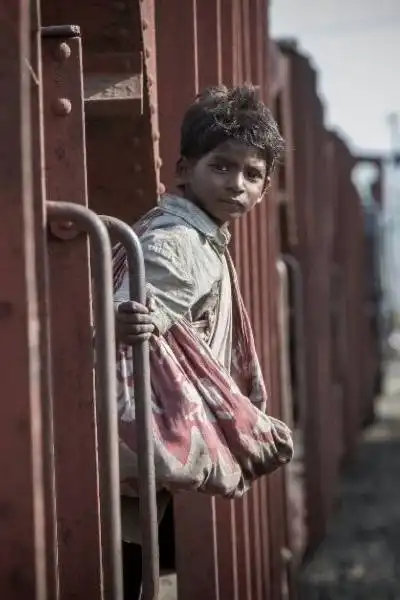
Child trafficking continues to be one of India’s gravest human rights challenges, cutting across regions, communities and socio-economic backgrounds. Despite multiple legal safeguards and judicial interventions, the crime persists, exposing deep gaps in enforcement, rehabilitation and inter-governmental coordination.
In a recent ruling, the Supreme Court of India reaffirmed that trafficking is a direct violation of a child’s fundamental right to life and dignity under the Constitution, issuing strict directions to strengthen preventive and corrective mechanisms. Official data highlights the scale of the problem: thousands of children are rescued annually from trafficking, child labour and kidnapping, yet conviction rates remain alarmingly low.
What is child trafficking?
At the international level, the Palermo Protocol defines child trafficking as the recruitment, transportation, transfer, harbouring or receipt of a child for the purpose of exploitation. In India, the Bharatiya Nyaya Sanhita, 2023 expands this definition to include acts carried out through coercion, deception, abuse of power or inducement, with exploitation covering sexual abuse, forced labour, slavery, servitude and even organ removal.
Importantly, under Indian law, trafficking is treated as a crime regardless of consent, recognising that children cannot legally or morally consent to exploitation.
How does Indian law protect children?
India’s constitutional framework provides robust safeguards. Articles 23 and 24 prohibit human trafficking, forced labour and the employment of children in hazardous work. Article 39 further obligates the State to protect children from abuse and exploitation while ensuring conditions of freedom and dignity.
Several laws complement these constitutional protections. The Immoral Traffic (Prevention) Act targets trafficking for sexual exploitation, while the Juvenile Justice (Care and Protection of Children) Act focuses on rescue, care and rehabilitation. The Protection of Children from Sexual Offences (POCSO) Act introduces stringent, gender-neutral punishments for sexual crimes against minors, supported by hundreds of fast-track courts to ensure speedy trials.
Judicial stance on child trafficking
Over the years, the Supreme Court has consistently adopted a firm and reform-oriented approach. It has described child trafficking as a serious socio-economic evil requiring both preventive action and humane rehabilitation. Landmark judgments have led to guidelines banning child labour in hazardous industries and directing governments to create structured rescue and rehabilitation systems.
Recent rulings have reiterated that enforcement failures cannot be justified by administrative constraints and that accountability must extend across institutions responsible for child welfare.
Why does trafficking continue?
Experts point to a combination of poverty, unemployment, migration, family breakdown and disasters as major drivers of vulnerability. The rapid spread of social media and digital platforms has added new risks, with traffickers luring children using fake job offers, modelling opportunities and promises of a better life.
Weak conviction rates, delayed trials and poor coordination between States further embolden trafficking networks.
What needs to be done next?
Strengthening India’s response requires a multi-pronged strategy. Authorities must improve investigation quality and significantly raise conviction rates to create deterrence. Rehabilitation and reintegration of rescued children must be prioritised alongside prosecution.
Equally critical is a strong Centre–State partnership. Since policing and law enforcement fall under State jurisdiction, effective coordination, data sharing and joint task forces are essential to dismantle trafficking networks operating across borders.
Ultimately, protecting children from trafficking demands not only stronger laws but also social awareness, economic safeguards and a justice system that delivers timely and meaningful outcomes.
you may also like


- March 03, 2026
Gulf Tensions Rise; Evacuation Flights Reach India

- March 03, 2026
Chhattisgarh Private Schools Announce RTE Protest
- March 02, 2026
India Rejects Report Linking Officials to Nijjar Killing
- March 02, 2026