


- March 03, 2026
Supreme Court Flags Stress Caused by Electoral Roll Revision in West Bengal, Orders Greater Transparency
The Supreme Court has flagged stress caused by electoral roll revision in West Bengal and ordered transparency and safeguards in the SIR process.
- January 19, 2026
- in National
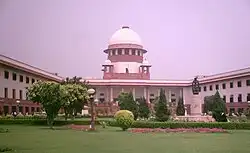
The Supreme Court of India has raised serious concerns over the “stress and strain” faced by ordinary citizens in West Bengal due to the ongoing Special Intensive Revision (SIR) of electoral rolls, directing the Election Commission to ensure greater transparency and procedural safeguards.
The court noted that more than 1.3 crore people in the State—nearly one-fifth of its population—have been issued notices asking them to explain so-called “logical discrepancies” in voter records. These discrepancies include variations in surname spellings, age gaps between family members, and details related to family size.
A three-judge Bench headed by Surya Kant observed that the scale of notices issued had placed an undue burden on citizens, many of whom were being asked to attend verification hearings within a limited timeframe. The court questioned whether several of the criteria used by the Election Commission of India had any statutory backing.
During the hearing, the Bench expressed concern over how factors such as the number of children in a family or age differences between parents and children could be linked to voter eligibility. The court also pointed out that such parameters risked turning the revision exercise into an intrusive profiling mechanism rather than a routine electoral update.
It was highlighted that millions of voters had been categorised as “unmapped” or flagged for discrepancies, even as the number of verification centres remained limited. The court was informed that only a fraction of the required hearings had been completed so far, raising fears that eligible voters could be excluded when the final electoral rolls are published. The court further took note of complaints regarding the lack of transparency in the process, including the absence of written acknowledgements for submitted documents and the circulation of instructions through informal digital platforms rather than official circulars.
To ease public hardship, the Supreme Court issued a series of directions. It ordered that lists of voters flagged under the “logical discrepancies” category be publicly displayed at local administrative offices. The deadline for submitting objections and documents was extended by ten days, and authorities were directed to issue receipts for all records received during verification.
The court also allowed voters to submit objections through authorised representatives, including booth-level agents of political parties, to prevent disenfranchisement. State authorities were instructed to provide adequate manpower and logistical support to ensure the smooth completion of the revision exercise, while law enforcement was asked to maintain order during hearings.
The Bench reiterated that electoral integrity must be preserved without compromising citizens’ rights or causing avoidable distress, stressing that transparency and fairness are essential to maintaining public trust in the democratic process.
you may also like


- March 03, 2026
Gulf Tensions Rise; Evacuation Flights Reach India

- March 03, 2026
Chhattisgarh Private Schools Announce RTE Protest
- March 02, 2026
India Rejects Report Linking Officials to Nijjar Killing
- March 02, 2026