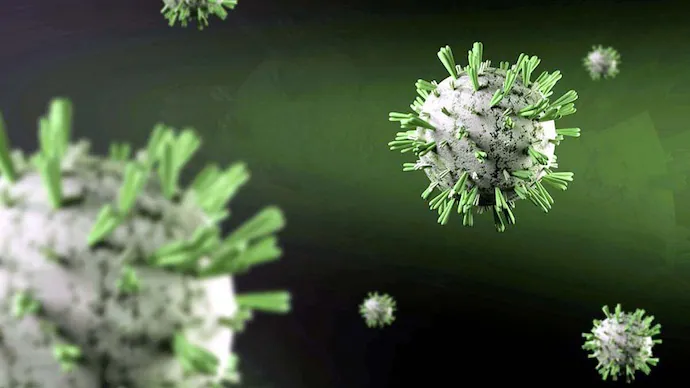
India’s dengue landscape has become increasingly complex, with an Indian Council of Medical Research (ICMR)-backed nationwide study revealing that all four dengue virus serotypes—DENV-1, DENV-2, DENV-3 and DENV-4—are circulating simultaneously across eight states and Union Territories.
The findings come at a crucial time as India prepares to introduce its first indigenous dengue vaccine. Health experts say the study highlights the importance of developing broad protection against all four virus strains to reduce the risk of severe disease.
Why Multiple Dengue Strains Are a Concern
Dengue fever is caused by four distinct but closely related virus serotypes. Infection with one strain generally provides long-term immunity only against that specific serotype.
However, if a person is infected later with a different dengue strain, the likelihood of developing severe complications—including dengue haemorrhagic fever and dengue shock syndrome—can increase.
The simultaneous circulation of all four serotypes makes dengue control more challenging and raises concerns about repeat infections.
What the Nationwide Study Revealed
The molecular surveillance study found evidence that all four dengue virus serotypes are actively circulating in eight Indian states and Union Territories, indicating that dengue has become hyperendemic in several parts of the country.
Researchers also identified cases where patients were infected with more than one dengue serotype at the same time, suggesting concurrent transmission of multiple virus strains.
These findings underline the need for continuous surveillance to monitor changes in dengue virus circulation and disease patterns.
Significance for India’s Indigenous Dengue Vaccine
The study’s findings carry major implications for India’s upcoming dengue vaccination programme.
Scientists say the indigenous vaccine must provide effective protection against all four dengue serotypes. A vaccine targeting only one or two strains may not offer sufficient protection in regions where multiple variants are circulating simultaneously.
The surveillance data is expected to help guide vaccine deployment strategies and strengthen public health planning.
How to Reduce the Risk of Dengue
With mosquito breeding increasing during the monsoon season, health experts recommend the following preventive measures:
- Eliminate stagnant water from coolers, flower pots, buckets and containers.
- Use mosquito repellents and insecticide-treated mosquito nets.
- Wear full-sleeved clothing and long trousers, especially during peak mosquito activity.
- Install window and door screens where possible.
- Seek prompt medical attention if symptoms such as high fever, severe headache, muscle or joint pain, nausea, vomiting or skin rash develop.
Need for Stronger Surveillance and Public Awareness
The detection of all four dengue virus serotypes circulating together highlights the growing public health challenge posed by dengue in India. Experts believe that robust disease surveillance, widespread mosquito control measures, early diagnosis and an effective tetravalent vaccine will play a crucial role in reducing severe dengue cases and preventing outbreaks in the future.
Frequently Asked Questions (FAQs)
Q1. What are the four dengue virus serotypes?
The four dengue virus serotypes are DENV-1, DENV-2, DENV-3 and DENV-4.
Q2. Why is the circulation of all four dengue strains concerning?
People infected with one dengue strain can develop severe illness if they are later infected with a different serotype, increasing the risk of complications.
Q3. What did the ICMR-backed study find?
The nationwide study found all four dengue virus serotypes circulating simultaneously across eight Indian states and Union Territories, with some patients showing co-infections involving multiple strains.
Q4. How does this affect India’s dengue vaccine programme?
The findings highlight the need for a vaccine that provides protection against all four dengue virus serotypes to ensure broad and effective immunity.
Q5. How can people protect themselves from dengue?
Prevent mosquito breeding by removing stagnant water, use mosquito repellents and nets, wear protective clothing, and seek medical care if dengue symptoms appear.