


- March 03, 2026
“Papa, Parnaam”: How Vaibhav Sooryavanshi’s U-19 World Cup Storm Is Forcing India to Rethink Greatness
Vaibhav Sooryavanshi’s U-19 World Cup final blitz sparks a debate on talent, Tests, and what truly defines greatness in Indian cricket.
- February 07, 2026
- in Sports
A Century That Came With a Condition
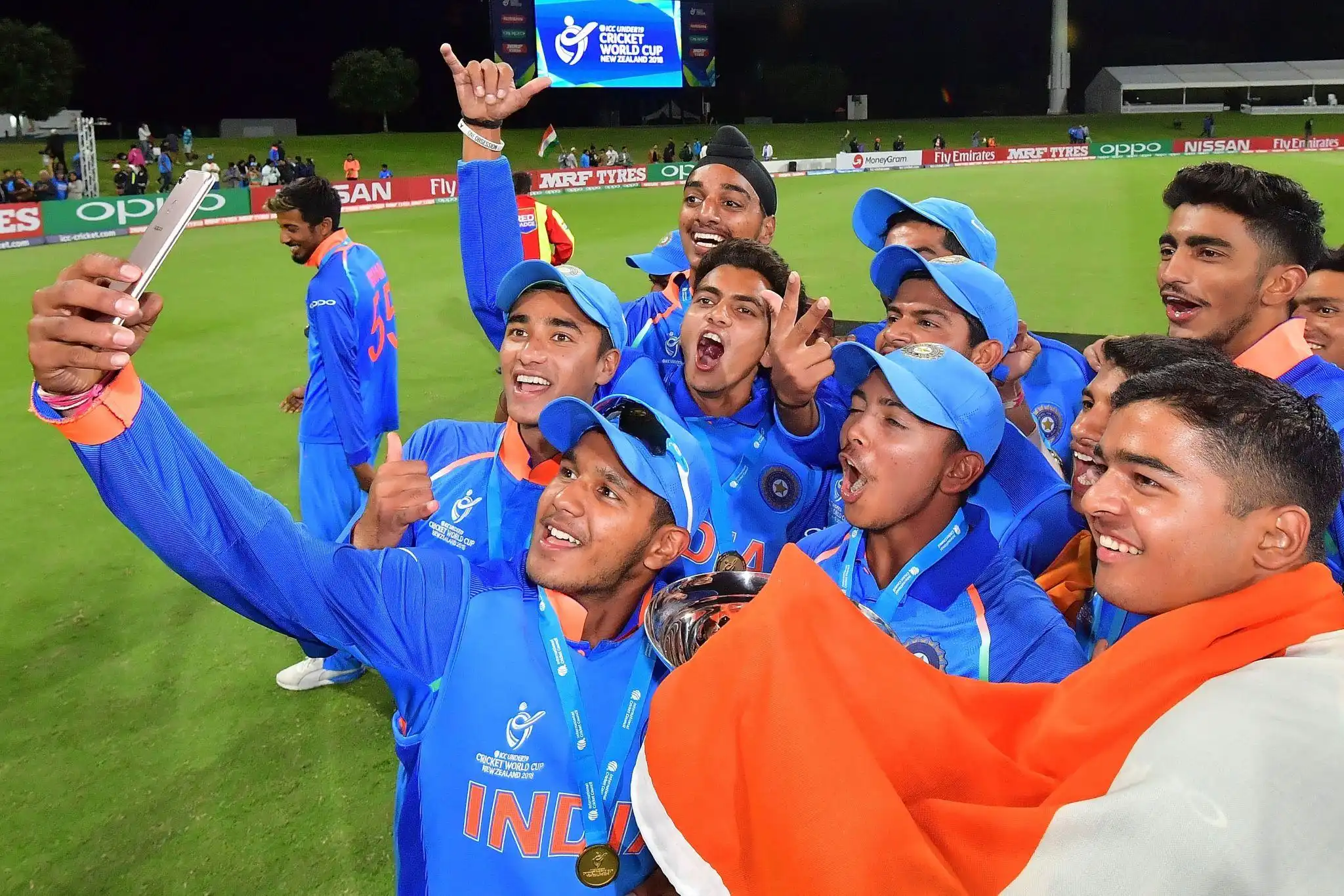
India won another Under-19 World Cup. Records were broken. England were flattened. Social media erupted.
And yet, the loudest line from the night didn’t come from the middle of the pitch.
It came from a father, sitting miles away, reminding the country that none of this counts—yet.
“Till the time he does not play Tests, I won’t consider him a big cricketer.”
In an era obsessed with instant superstardom, that sentence landed like a yorker.
The Night Cricket Lost Control
In the final, Vaibhav Sooryavanshi didn’t build an innings. He detonated one.
What began as a cautious start turned into a full-scale assault. Boundaries stopped feeling special. England’s bowlers stopped adjusting. The scoreboard stopped making sense.
India didn’t just win. They overwhelmed.
The result was a record-margin victory and a sixth U-19 World Cup title—another reminder that India’s production line is not slowing down.
Numbers That Refuse to Be Ignored
The innings now sits uncomfortably high in youth cricket history:
-
Highest score ever in an Under-19 World Cup final
-
Most sixes in a youth ODI innings
-
One of the fastest centuries in tournament history
-
A tournament tally that places him among the elite performers of the edition
Statistics usually end debates. This time, they started one.
Highest score ever in an Under-19 World Cup final
Most sixes in a youth ODI innings
One of the fastest centuries in tournament history
A tournament tally that places him among the elite performers of the edition
Why Bihar Is Suddenly Loud Again
The celebration wasn’t just about runs. It was about representation.
From the way he greeted his father to the language he carried onto the global stage, Vaibhav’s success punched through long-held stereotypes about where sporting excellence is “supposed” to come from.
Coaches report phones ringing nonstop. Parents are asking how early is too early to dream. The old proverb—study to succeed, play to fail—has begun to sound outdated.
Cricket didn’t just win a match. It shifted a mindset.
The Father Who Refused to Be Carried Away
While the country rushed to crown a prodigy, the father pulled the conversation back to fundamentals.
Not IPL highlights.
Not viral clips.
Not teenage records.
Test cricket.
In Indian cricket folklore, Tests remain the final exam. White-ball brilliance opens doors, but red-ball endurance decides legacy. The message was clear: talent earns attention; patience earns respect.
Not viral clips.
Not teenage records.
A Familiar Template of Discipline
The reference point was deliberate.
Humility. Longevity. Silence over spectacle.
The career arc being hinted at wasn’t accidental—it was aspirational, echoing the values long associated with Sachin Tendulkar. Not controversy. Not shortcuts. Just sustained excellence.
Humility. Longevity. Silence over spectacle.
What Comes Next Will Matter More
Vaibhav’s journey now enters a quieter phase—the one without fireworks.
Red ball cricket. Domestic grind. Long spells at the crease where sixes don’t rescue impatience. Bowlers won’t feed pace. Mistakes will linger longer.
This is where hype usually leaks away.
Or hardens into something permanent.
The Real Question Indian Cricket Is Asking
This story isn’t only about a teenager who hit the ball frighteningly well.
It’s about what India wants greatness to mean in 2026.
Is dominance enough?
Is speed everything?
Or does legacy still demand time?
For now, the answer has been politely but firmly delivered by a father who refused to celebrate halfway.
The trophy is lifted.
The noise is deafening.
But the exam, he reminds us, hasn’t begun.
It’s about what India wants greatness to mean in 2026.
Is speed everything?
Or does legacy still demand time?
The noise is deafening.
But the exam, he reminds us, hasn’t begun.
you may also like
- March 02, 2026
If Iran Withdraws, Who Replaces Them at World Cup 2026?

- March 02, 2026
Zimbabwe Team Stranded in India After T20 Exit
- March 02, 2026
Sanju Samson’s 97 Powers India Into Semis
- March 01, 2026