


- March 03, 2026
Israel Targets Iran Presidential Office in Tehran
Israeli Air Force strikes Iran’s presidential office and security council building in Tehran amid escalating US-Israel-Iran conflict.
- March 03, 2026
- in International
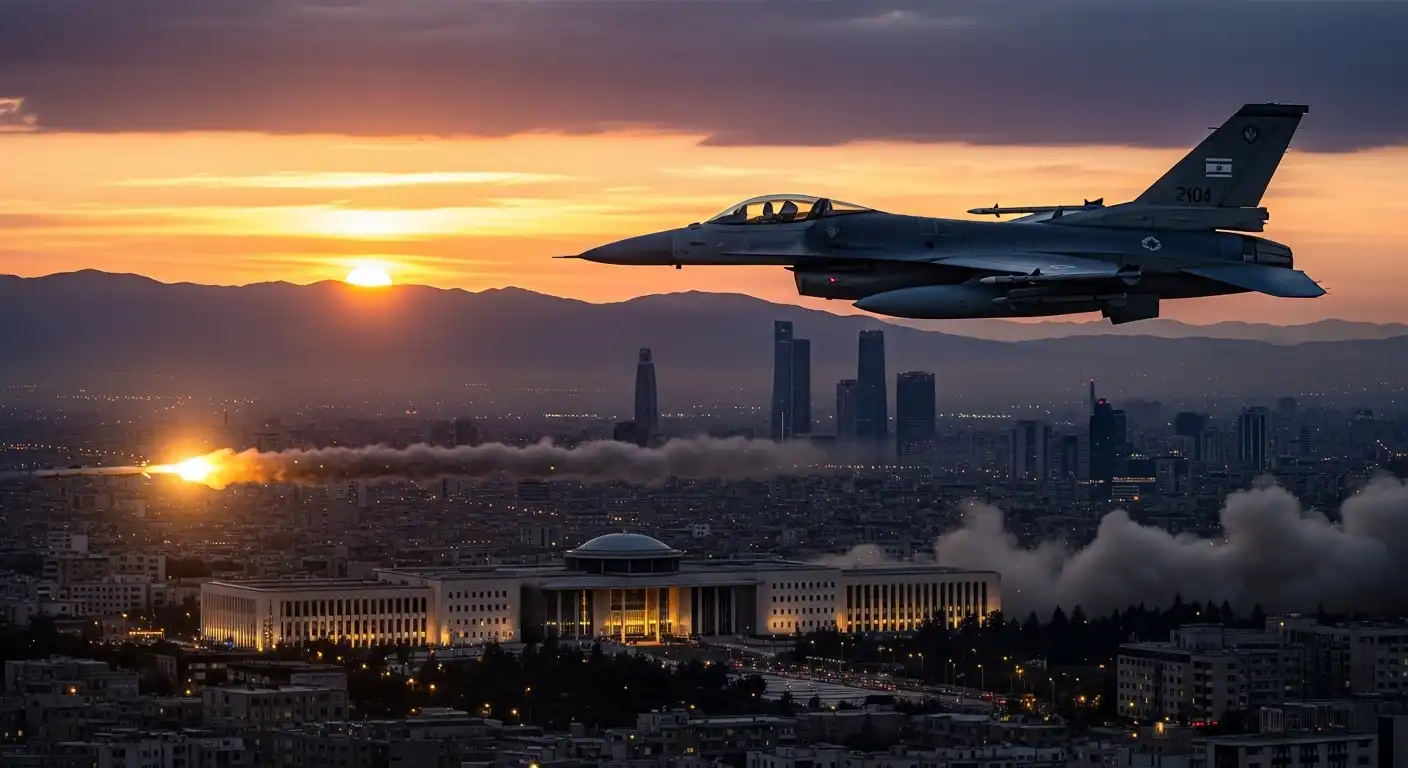
The Israel Defense Forces said it carried out overnight airstrikes on Iran’s presidential office and the Supreme National Security Council building in Tehran as the US-Israel-Iran conflict intensified.
In a statement, the Israeli military said its air force struck facilities within what it described as the “leadership compound” in central Tehran. It added that multiple munitions were used during the operation. Iranian authorities have not immediately confirmed the extent of the damage.
Damage at Natanz Confirmed
The International Atomic Energy Agency said recent satellite images show “some recent damage” to entrance buildings at Iran’s underground Natanz Fuel Enrichment Plant.
However, the agency stated there were no radiological consequences and no additional damage detected inside the main facility. Natanz had previously been targeted during earlier hostilities.
Regional Tensions Expand
The conflict has spread beyond Iran. In Lebanon, the Israeli military issued evacuation warnings for several areas, including parts of southern Beirut, ahead of what it described as imminent operations.
Lebanese authorities reported casualties following Israeli airstrikes in Beirut’s southern suburbs. Hezbollah claimed responsibility for launching drone and rocket attacks on Israeli military positions in response to recent developments.
Meanwhile, Oman’s state media reported that drones struck a fuel tank at the commercial port of Duqm. Officials said the fire was contained and no casualties were reported.
Oil Prices Rise, Flights Disrupted
Global energy markets reacted sharply. Brent crude prices rose for a third consecutive day amid fears of disruption to supplies passing through the Strait of Hormuz, a key global oil transit route.
Several airlines resumed limited services to parts of the Gulf region, though many flights remain suspended due to airspace restrictions. Authorities in Dubai and Bahrain advised passengers to confirm bookings before heading to airports.
US Position and War Objectives
US President Donald Trump said the strikes were aimed at eliminating threats posed by Iran’s missile and nuclear programmes. He warned that operations could extend beyond the initially projected four to five weeks.
US Secretary of State Marco Rubio said Washington would prefer to see internal political change in Iran but maintained that regime change was not the official objective.
US Central Command said American forces targeted Iranian air defence systems and missile launch sites, though no independent verification was immediately available.
Warnings and Advisories
The US State Department ordered non-emergency staff and family members to leave several Middle Eastern countries, citing security concerns. Travel advisories were updated for Bahrain, Jordan, and Iraq.
The United Nations warned that escalating military operations pose a “serious” threat to civilians, including children. UN officials called for maximum restraint and compliance with international humanitarian law.
As airstrikes and missile exchanges continue across multiple fronts, diplomatic efforts appear limited. With both sides signalling readiness for further action, uncertainty remains high over how the conflict will unfold.
you may also like

- March 03, 2026
Iran Warns US, Israel; Trump Says ‘Big Wave’ Ahead

- March 02, 2026
Trump Says Iran Operations May Last 4–5 Weeks
- March 02, 2026
How Switzerland Became the World’s Most Nuclear-Ready Nation
- March 02, 2026