


- March 03, 2026
Iran Calls Khamenei Killing ‘Religious Crime’
Iran’s foreign minister condemns killing of Ayatollah Ali Khamenei as “religious crime” amid escalating US-Israel-Iran conflict.
- March 03, 2026
- in International
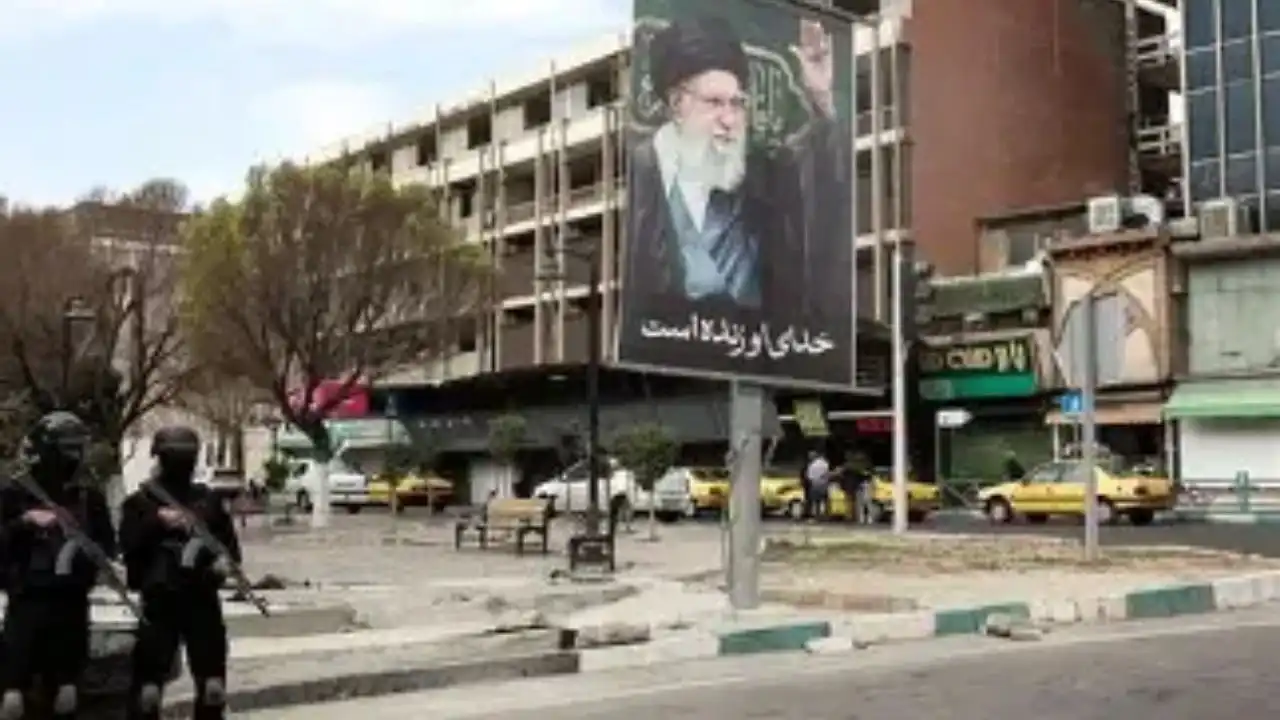
Tensions in the West Asia conflict escalated further after Abbas Araghchi, Iran’s foreign minister, described the killing of Ayatollah Ali Khamenei as a “religious crime” with serious consequences.
In remarks reported by Iranian state media, Araghchi accused the United States of “betraying diplomacy” and said Iran was not at war with countries in the region.
Iran Issues Strong Warning
Araghchi’s comments came amid continued exchanges between Iran and Israel, following joint US-Israeli strikes that reportedly killed Khamenei and other senior Iranian officials.
Iran’s Revolutionary Guard Corps warned that those responsible for the attack would not be safe “even at home,” according to state media reports.
Earlier, senior Iranian official Ali Larijani had said Tehran would not negotiate with Washington under current conditions.
US Signals Further Action
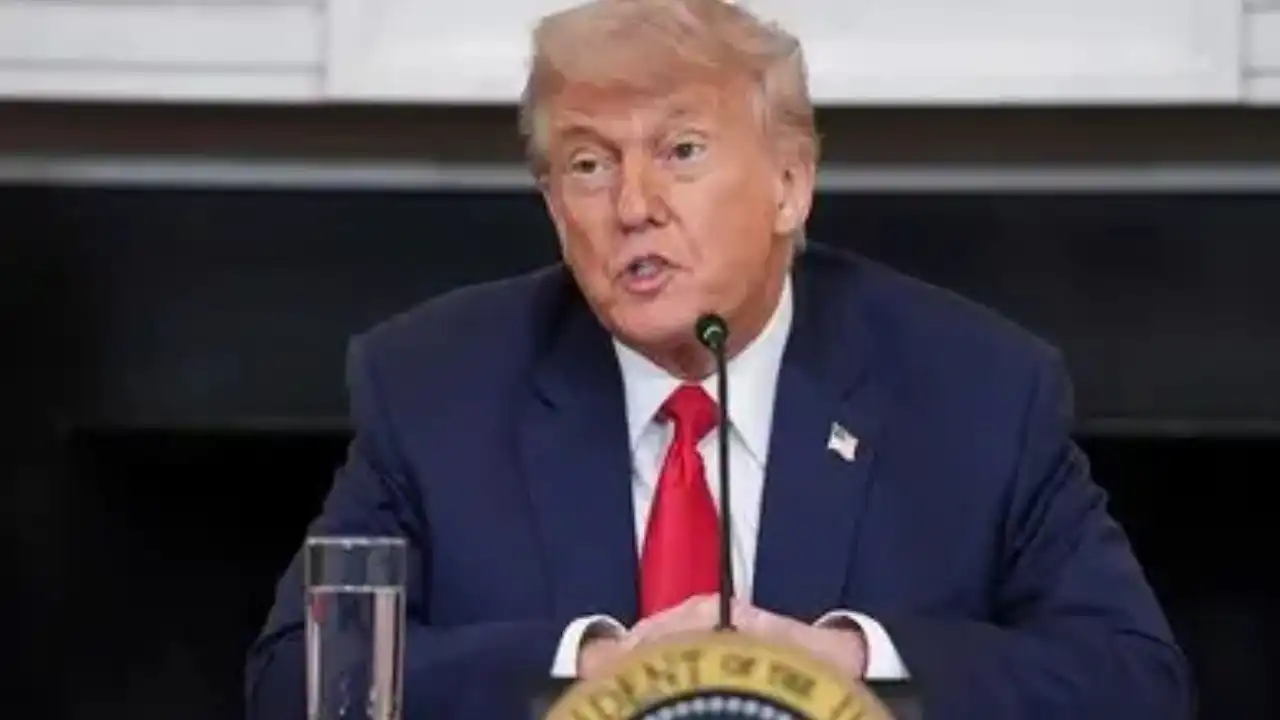
US President Donald Trump said military operations were ongoing and warned that a “big wave” of action was yet to come.
In televised remarks and interviews, Trump said the US was acting on what he described as the “last best chance” to neutralise threats from Iran’s missile and nuclear programmes. He added that the timeline for operations could extend beyond initial estimates.
US Defence Secretary Pete Hegseth said the operation had a “clear” mission focused on dismantling Iran’s missile capabilities and preventing it from acquiring nuclear weapons.
Strikes and Casualties
Israeli officials said military intelligence offices in Tehran were targeted in recent strikes. Meanwhile, Iranian and Lebanese media reported casualties following bombardment in parts of Iran and Lebanon.
Lebanese authorities earlier confirmed dozens of deaths following airstrikes in Beirut’s southern suburbs. Reports from Iranian media also cited civilian casualties in western provinces.
Gulf and Global Impact
The conflict has also affected Gulf states. Qatar’s defence ministry said it intercepted aircraft and missiles approaching its territory. The Strait of Hormuz, a key global oil transit route, has seen heightened security concerns following reported attacks on tankers.
Energy markets have reacted sharply, with gas and oil prices rising amid fears of supply disruption.
The International Atomic Energy Agency has said it has detected no confirmed damage to Iran’s nuclear facilities so far but warned of safety risks if military activity continues near such sites.
Diplomatic Uncertainty
The United Kingdom has said it will not join offensive strikes, while Russia and the UAE have called for a ceasefire.
As military exchanges continue, diplomatic pathways appear uncertain. Both sides have hardened their public positions, and the situation remains fluid with the possibility of further escalation.
you may also like

- March 03, 2026
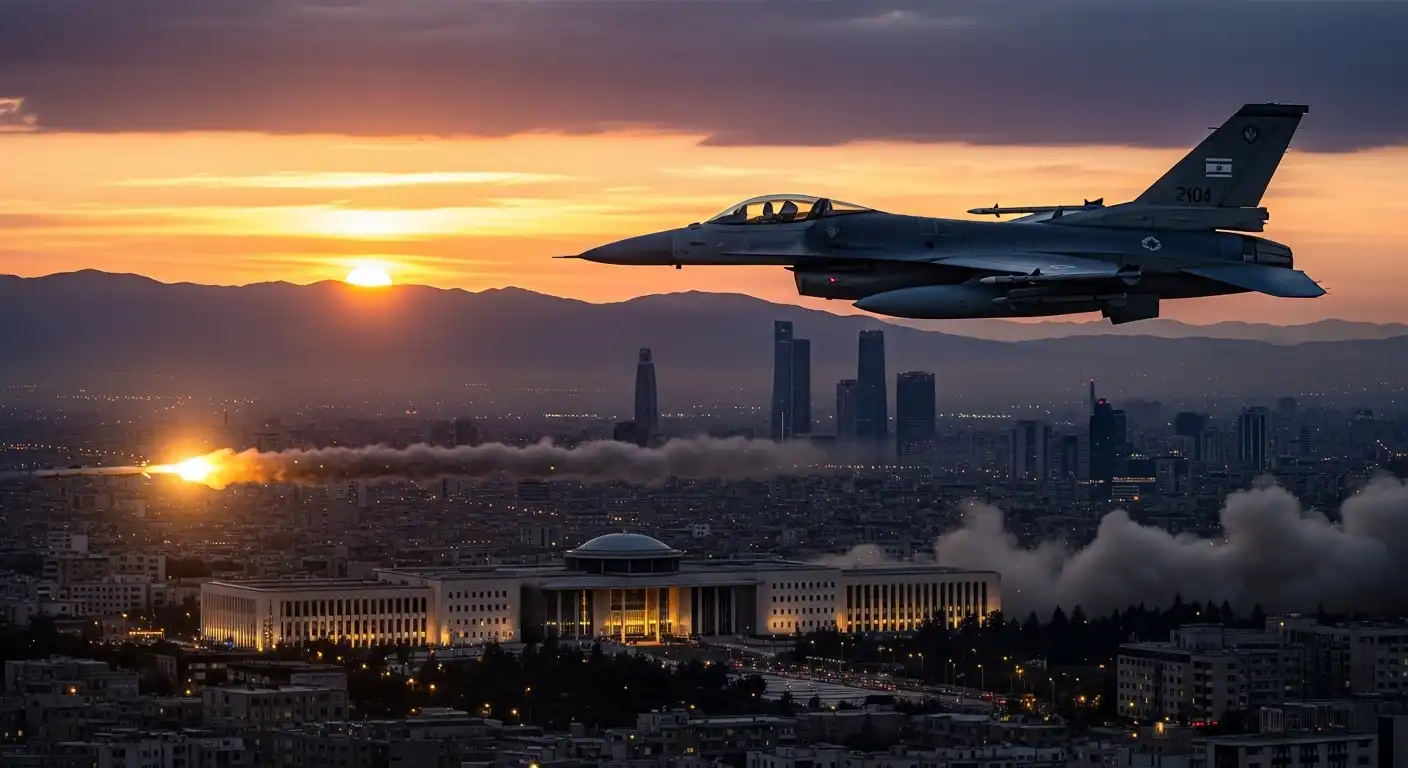
Iran Warns US, Israel; Trump Says ‘Big Wave’ Ahead
- March 02, 2026
Trump Says Iran Operations May Last 4–5 Weeks
- March 02, 2026
How Switzerland Became the World’s Most Nuclear-Ready Nation
- March 02, 2026