


- March 02, 2026
Pakistan’s T20 World Cup 2026 Boycott Threat: History Shows PCB Often Blinks at the Last Moment
Pakistan’s T20 World Cup 2026 boycott threat echoes past standoffs, but history shows PCB rarely follows through.
- January 29, 2026
- in Sports
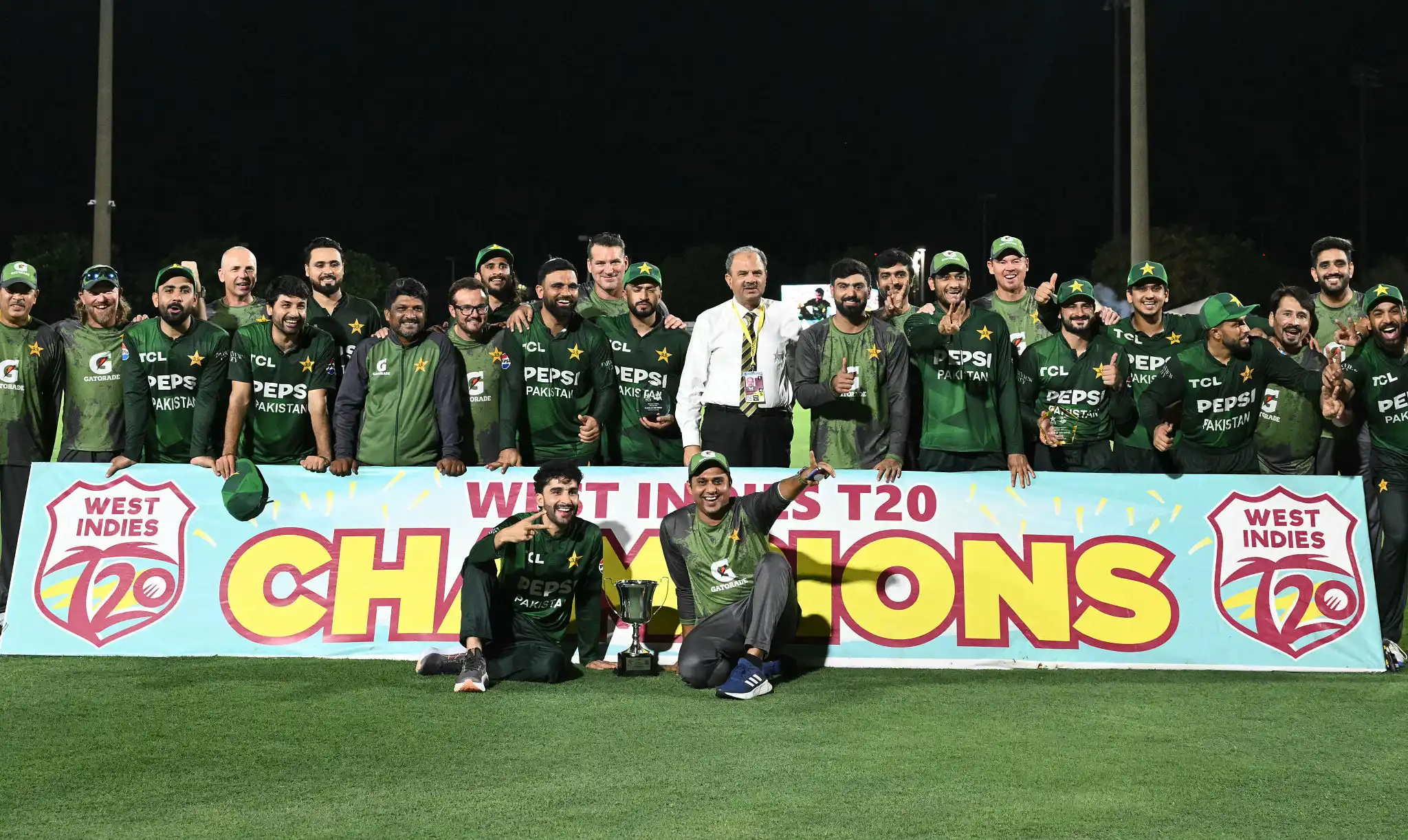
As the countdown to the 2026 T20 World Cup intensifies, Pakistan’s repeated hints at boycotting the tournament appear less like a decisive stand and more like a familiar pattern rooted in past confrontations. The Pakistan Cricket Board is yet to take a final call on participation, citing solidarity with Bangladesh and concerns over fairness, even as global cricket bodies warn of serious consequences.
The Pakistan Cricket Board has delayed its official announcement, awaiting a binding signal from the government. While media reports suggest protest measures—including the possibility of skipping the high-profile India clash—experts argue that such rhetoric has historically ended in compromise rather than confrontation.
A familiar script from PCB
Pakistan has emerged as the only full ICC member board openly backing Bangladesh’s refusal to travel to India for the tournament, citing security concerns. The PCB not only supported Bangladesh at the administrative level but also offered to host its matches and pushed the issue at the final ICC board meeting. However, the International Cricket Council eventually moved forward with Scotland as a replacement team, sidelining those objections.
PCB chairman Mohsin Naqvi publicly criticised the ICC’s “double standards,” drawing parallels with previous accommodations made for India in other tournaments. His remarks escalated speculation, turning media whispers into a visible standoff.
Yet, cricket historians and analysts note that Pakistan’s boycott warnings have often lacked follow-through.
Lessons from the past
In 2023, similar threats were issued during the Asia Cup and later the ODI World Cup. At the time, political and security disagreements led to prolonged deadlock, only for a hybrid hosting model to resolve the crisis. Pakistan eventually participated, avoiding financial and sporting fallout.
The Champions Trophy 2025 followed a comparable trajectory. Despite sharp exchanges and ultimatums, the PCB accepted neutral venues for India’s matches after last-minute intervention, defusing yet another impasse.
The only notable exception dates back to the 1990–91 Asia Cup, when Pakistan withdrew amid severe political tensions with India. Such rare follow-through underscores how unusual an actual boycott would be in modern cricket’s commercial ecosystem.
Why a boycott remains unlikely
With Pakistan already assured venues of its choice under prior agreements involving the ICC and the Board of Control for Cricket in India, withdrawing now would offer limited leverage. More importantly, the ICC has reportedly warned of penalties ranging from Asia Cup exclusion to restrictions on player participation in overseas leagues, including the Pakistan Super League.
Financial losses, broadcaster obligations, and legal risks further weaken the case for a pull-out. For many observers, the current threat appears to be more about signaling discontent than executing a drastic decision. As history suggests, Pakistan’s World Cup participation debates often generate noise but end in negotiation. The 2026 T20 World Cup may follow the same script—high drama, strong statements, and an eventual climbdown.
you may also like


- March 02, 2026
Zimbabwe Team Stranded in India After T20 Exit
- March 02, 2026
Sanju Samson’s 97 Powers India Into Semis
- March 01, 2026
Zimbabwe Team Stuck in India After Airspace Closure

- February 27, 2026