


- March 02, 2026
PCB’s T20 World Cup Dilemma: Mohsin Naqvi’s Call Could Trigger a Costly Fallout
Pakistan’s looming T20 World Cup decision could invite financial penalties, broadcast backlash and ICC scrutiny.
- January 29, 2026
- in Sports

With the T20 World Cup 2026 set to begin on February 7, Pakistan’s participation hangs in the balance as the Pakistan Cricket Board prepares for a decisive call that could carry heavy sporting and financial consequences.
PCB chairman Mohsin Naqvi is expected to announce Pakistan’s position within days, with the high-voltage India–Pakistan group match scheduled for February 15 in Colombo. What appears on the surface as a simple participation decision is, in reality, a complex choice between multiple scenarios—each carrying a different cost.
If Pakistan participate fully as scheduled, the board preserves stability: no contractual disputes, no forfeited points, and no disruption to commercial commitments. While domestic political optics may require careful handling, the cricketing and financial structure of the tournament remains intact.
A middle-ground option—participating while registering symbolic protest—would allow Pakistan to signal dissent without jeopardising fixtures or triggering contractual fallout. This approach keeps Pakistan competitive in the tournament while avoiding confrontation with broadcasters and the International Cricket Council, which is keen to protect tournament integrity.
The most volatile option under discussion is skipping only the India match. While seemingly targeted, such a move would hand Pakistan an immediate points disadvantage, inflate Net Run Rate pressure and potentially expose the board to serious legal and broadcast repercussions. Industry chatter has suggested broadcaster-linked penalties running into tens of millions of dollars, with the broader risk being long-term damage to commercial trust. The most extreme scenario—complete withdrawal from the tournament—would create clarity but at a steep price. The ICC has previously shown it will replace non-participating teams rather than alter schedules, leaving Pakistan isolated from the sport’s biggest global event. The fallout would likely extend beyond finances to reputational damage and player discontent.
With deadlines closing in and teams already preparing logistics for Colombo, the window for brinkmanship is rapidly shrinking. From a purely strategic standpoint, participation combined with controlled dissent appears to offer Pakistan maximum leverage with minimal self-inflicted damage.
As the countdown to February 7 accelerates, the PCB’s final decision will not only shape Pakistan’s World Cup campaign—but could redefine its standing within global cricket’s commercial and governance ecosystem.
you may also like


- March 02, 2026
Zimbabwe Team Stranded in India After T20 Exit
- March 02, 2026
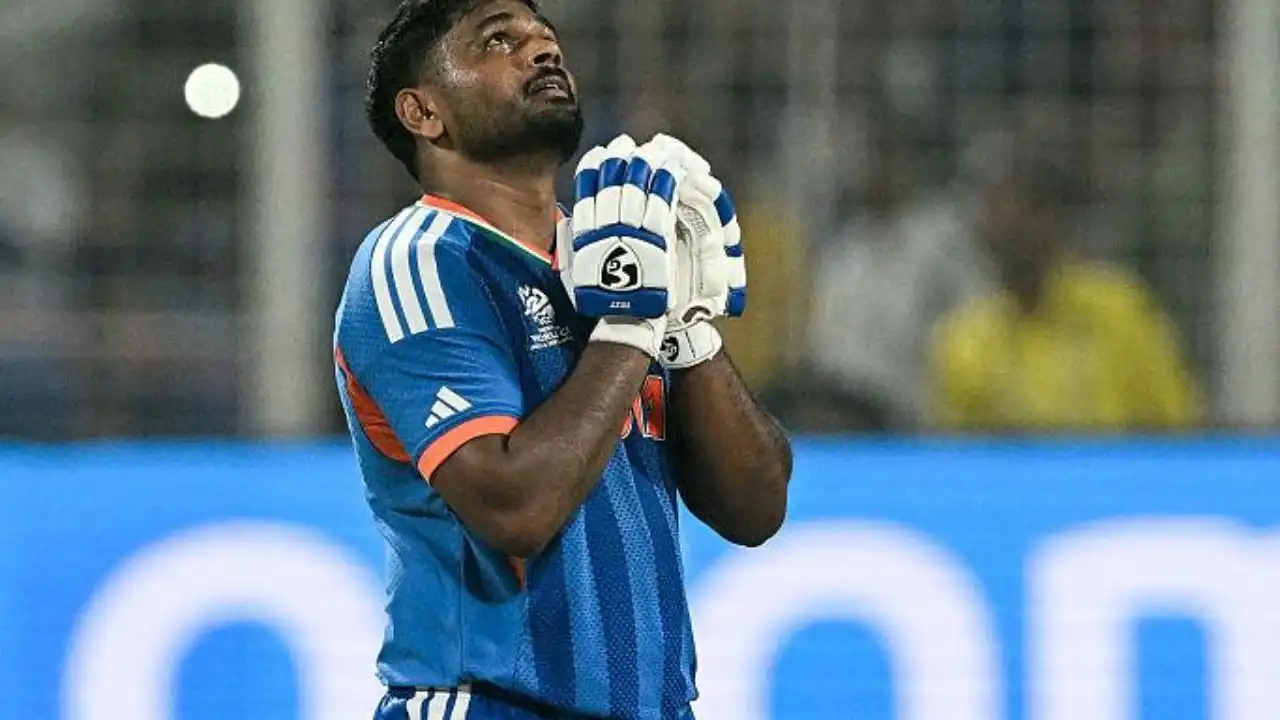
Sanju Samson’s 97 Powers India Into Semis
- March 01, 2026
Zimbabwe Team Stuck in India After Airspace Closure

- February 27, 2026