Prime Minister Narendra Modi has announced the formation of a high-level six-member Exam Reform Task Force to recommend comprehensive reforms aimed at strengthening India’s public examination system and preventing future paper leaks.
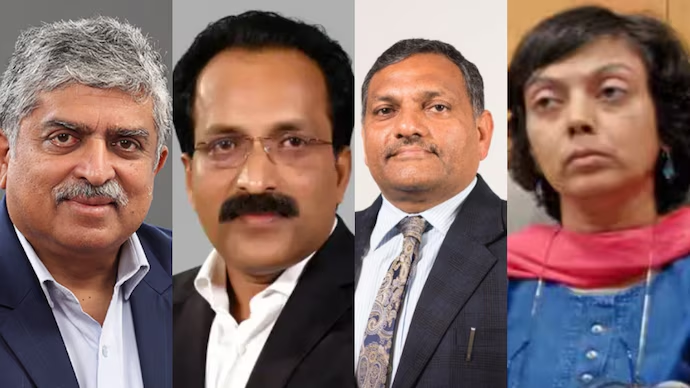
Chaired by Infosys co-founder Nandan Nilekani, the multidisciplinary panel brings together experts from technology, space research, intelligence, education, academia, and public administration. The committee has been entrusted with recommending structural, administrative, and technology-driven reforms to improve transparency, security, and efficiency across competitive examinations.
The initiative is part of the Centre’s broader effort to restore public confidence in India’s examination ecosystem following concerns over repeated examination irregularities.
Key Highlights
- Nandan Nilekani appointed Chairman of the six-member Exam Reform Task Force.
- Committee includes experts from technology, security, education, space research, and governance.
- Former ISRO Chairman S. Somnath and former Intelligence Bureau Director Tapan Deka among the members.
- Panel will recommend reforms to strengthen the National Testing Agency (NTA).
- Focus on preventing paper leaks through advanced technology and institutional reforms.
Who are the six members of the Exam Reform Task Force?
1. Nandan Nilekani – Chairman
Technology entrepreneur and Infosys co-founder Nandan Nilekani will lead the task force. Widely recognized as the architect of India’s Aadhaar digital identity programme, Nilekani brings decades of experience in digital governance and large-scale technology implementation.
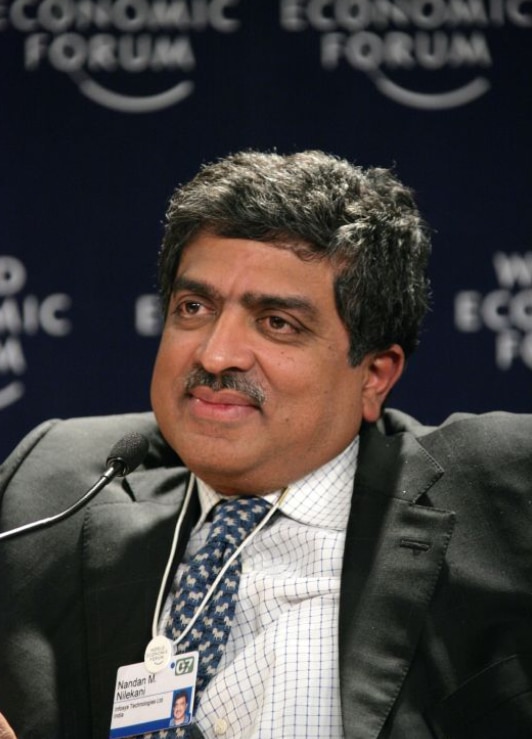
The committee is expected to leverage his expertise to recommend secure digital solutions covering question paper protection, candidate authentication, examination management, and result processing.
2. Dr. S. Somnath – Former ISRO Chairman
Former ISRO Chairman Dr. S. Somnath joins the panel with nearly four decades of experience in aerospace engineering, launch vehicle development, and complex technology systems.
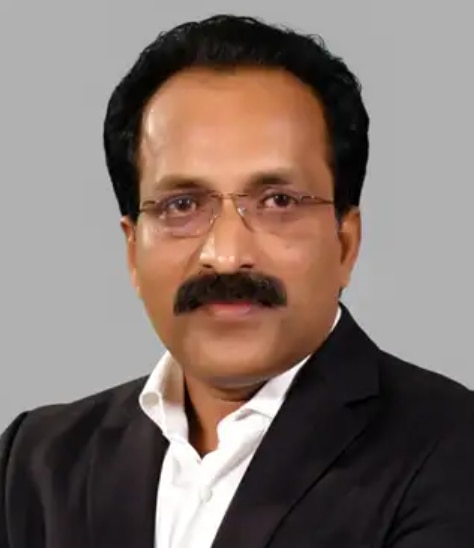
Having led India’s space programme between 2022 and 2025, Somnath is expected to contribute to designing robust and reliable technology infrastructure for high-stakes examinations.
3. Tapan Deka – Former Intelligence Bureau Director
Former Intelligence Bureau Director Tapan Kumar Deka brings extensive experience in national security, intelligence gathering, and counter-terrorism operations.
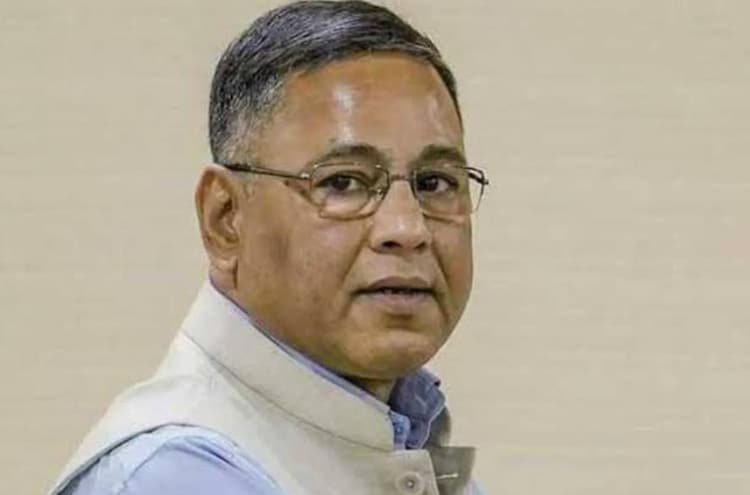
His expertise is expected to help strengthen examination security frameworks, identify vulnerabilities, and recommend safeguards against organized examination fraud and paper leak networks.
4. Prof. V. Kamakoti – Director, IIT Madras
Prof. V. Kamakoti, Director of IIT Madras, represents the academic and research community on the panel.
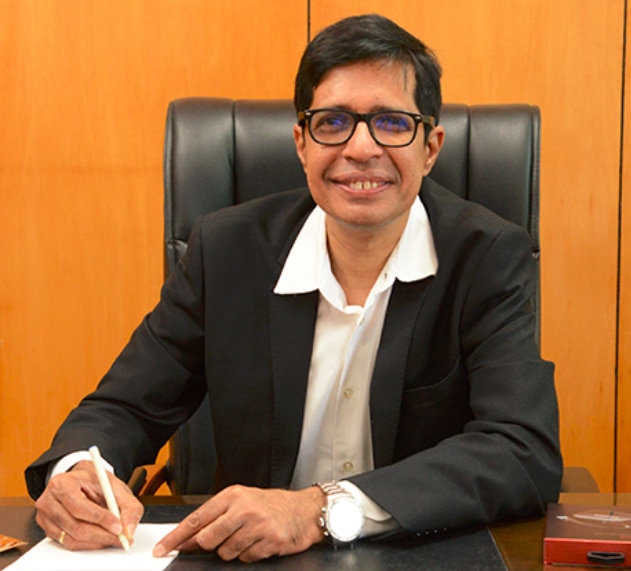
A leading computer scientist specializing in cybersecurity, computer architecture, artificial intelligence, and microprocessor development, Kamakoti is expected to advise on secure digital examination systems and advanced technology integration.
5. Anita Karwal – Former CBSE Chairperson
Senior IAS officer Anita Karwal brings over three decades of experience in school education and policymaking.
A former Chairperson of CBSE and Secretary of the Department of School Education and Literacy, she played an important role in implementing the National Education Policy (NEP) 2020 and developing the National Curriculum Framework.
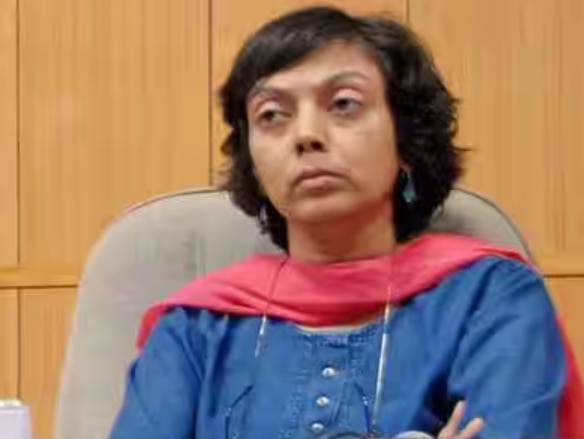
Her administrative experience is expected to help align examination reforms with broader educational objectives.
6. Amrit Lal Meena – Senior IAS Officer
Veteran bureaucrat Amrit Lal Meena completes the panel with extensive administrative and governance experience.
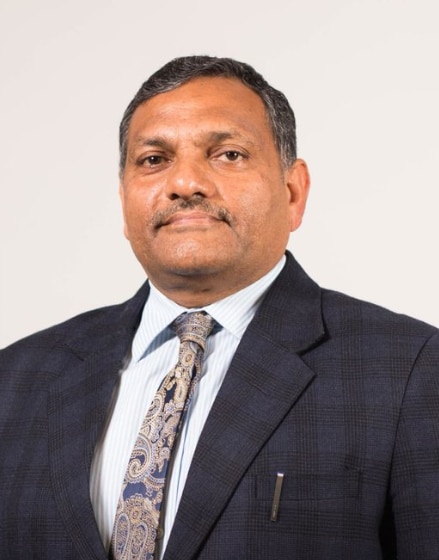
Having served as Bihar’s Chief Secretary and Secretary in the Ministry of Coal, Meena has significant expertise in operational management, logistics, and public administration, making him well-positioned to recommend improvements in examination operations across the country.
Focus Areas of the Task Force
The committee has been assigned the responsibility of recommending reforms across every stage of the examination process, including:
- Strengthening examination security and preventing paper leaks.
- Modernising the National Testing Agency (NTA).
- Integrating advanced technology for secure examination management.
- Improving candidate verification and authentication systems.
- Enhancing transparency and accountability in competitive examinations.
- Strengthening operational efficiency and governance mechanisms.
- Recommending long-term structural reforms for India’s examination ecosystem.
Government’s Vision
Announcing the task force, Prime Minister Narendra Modi said the government has already introduced stricter legal provisions, faster investigations, and dedicated courts to tackle examination fraud. However, he emphasized that long-term institutional reforms are equally necessary to rebuild public trust.
The recommendations of the six-member panel are expected to serve as the blueprint for the next generation of examination reforms, with a strong focus on technology, transparency, and institutional accountability.
Frequently Asked Questions (FAQs)
1. Who is heading the Exam Reform Task Force?
The committee is chaired by Infosys co-founder Nandan Nilekani.
2. Why was the task force created?
It has been constituted to recommend reforms that prevent paper leaks and strengthen India’s examination system.
3. How many members are on the committee?
The task force consists of six members from diverse professional backgrounds.
4. Who are the members of the panel?
Nandan Nilekani, S. Somnath, Tapan Deka, V. Kamakoti, Anita Karwal, and Amrit Lal Meena.
5. What role will S. Somnath play?
He will contribute expertise in large-scale technology systems and engineering.
6. Why is Tapan Deka part of the committee?
His experience in intelligence and national security will help strengthen examination security mechanisms.
7. What is the committee expected to recommend?
Technology-driven, structural, and administrative reforms to improve the credibility and security of public examinations.
8. Will the committee focus on the National Testing Agency?
Yes. Strengthening the NTA and improving examination management is among its key objectives.
9. What technologies may be introduced?
The panel is expected to recommend secure digital platforms, stronger candidate verification, enhanced cybersecurity, and technology-based monitoring.
10. What is the broader goal of the task force?
To create a transparent, secure, efficient, and trustworthy examination system that minimizes fraud and restores public confidence.