


- March 03, 2026
Pulses May Become the Next Flashpoint in India–US Trade Deal Talks
India–US trade talks may hit turbulence as pulses like lentils and yellow peas emerge as a sensitive demand under the deal.
- February 10, 2026
- in National
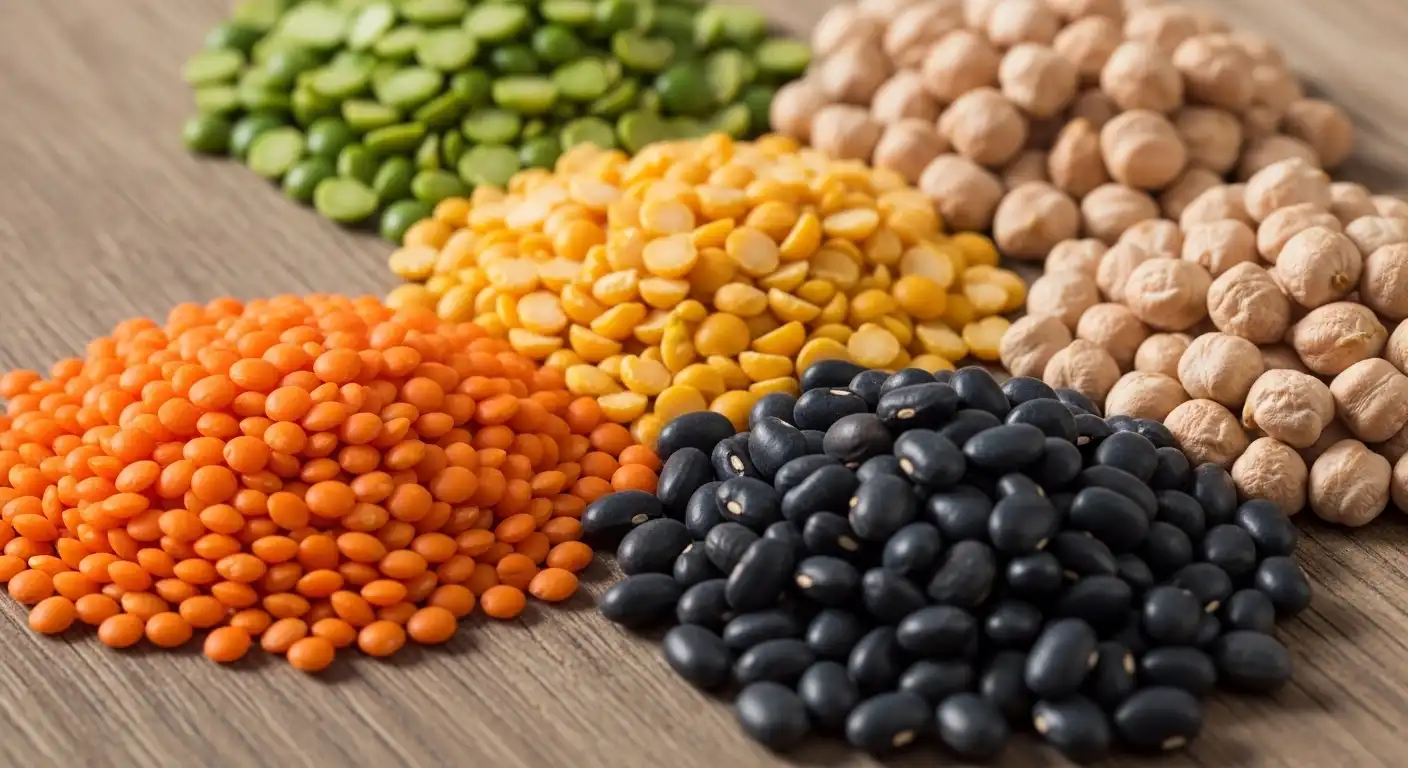
Just when India thought it had ring-fenced its farm sector in the ongoing trade negotiations with the United States, pulses have quietly entered the chat — and with them, the potential for a fresh agricultural standoff.
After DDGS and soybean oil, pulses may now emerge as the next sensitive commodity under the evolving India–US trade deal framework. While the official joint statement remains vague, the accompanying fact-sheet has dropped a carefully worded hint: “certain pulses”.
In trade diplomacy, such wording is rarely accidental.
What the US Is Pushing For
According to sources tracking the negotiations, Washington is pressing for zero-duty access for select pulses — particularly:
-
Lentils (masur)
-
Yellow peas
This demand has not emerged in isolation. Just days before the fact-sheet was released, two US Senators formally wrote to President Donald Trump, urging him to secure a favourable position for American pulse growers in the India deal.
The message was clear: pulses matter politically in the American farm belt.
Why Pulses Matter So Much to the US
Pulses production in the US is heavily concentrated in North Dakota, Montana, Washington and Idaho — states where farm exports are not just economic activity, but electoral currency.
For American farmers:
-
Export markets directly support farm incomes
-
India represents one of the largest pulse-consuming markets in the world
-
Tariff-free access could significantly improve price realisation
In short, this is less about food and more about votes.
Why India Is Uneasy
India is not opposed to trade — but pulses are politically radioactive.
Pulses are:
-
A dietary staple for millions
-
A livelihood backbone for small and marginal farmers
-
A sector historically protected through calibrated import duties
The concern is not imports per se, but price disruption.
US-produced lentils, particularly dried green lentils, are typically priced higher than the lentil varieties India imports from countries like Canada, Australia, and Myanmar. However, zero-duty access could still distort domestic markets during peak harvest periods.
And once a door is opened in trade negotiations, closing it later becomes diplomatically expensive.
The Silent Risk: Yellow Peas
Yellow peas have already been a point of friction in past years, with India periodically tightening and relaxing import rules to stabilise domestic prices.
Including yellow peas in a trade agreement:
-
Limits India’s flexibility to adjust policy
-
Locks in commitments beyond seasonal needs
-
Reduces the government’s ability to protect farmers during surplus years
For a country that has spent years trying to achieve self-sufficiency in pulses, this is not a small trade-off.
Why Pulses Were Kept Vague in the Joint Statement
Interestingly, pulses were not explicitly named in the interim framework’s joint statement — only surfacing later in the fact-sheet.
This suggests:
-
Negotiations are still fluid
-
India is resisting formal commitments
-
Pulses are being tested as a bargaining chip
Trade talks often begin with ambiguity before hard lines are drawn.
The Bigger Picture: Trade vs Food Security
This potential flashpoint exposes a deeper tension in India–US trade relations:
-
The US wants predictable, tariff-free access
-
India wants policy flexibility for food security
-
Farmers sit at the centre of the conflict
India’s experience with farm liberalisation has already shown how quickly agricultural issues can spill into streets, not just spreadsheets.
What Comes Next
If pulses are formally included:
-
Expect pushback from farmer groups
-
Expect political heat domestically
-
Expect intense scrutiny in Parliament
If they are excluded:
-
The US may demand concessions elsewhere
-
Negotiations could slow
Either way, pulses have become leverage, not just legumes.
The Nation With Tea Take
Trade deals are negotiated on paper, but paid for in fields.
India’s challenge is not resisting trade, but ensuring that global agreements do not override domestic realities. Pulses may look like a small item in a fact-sheet, but in India, they sit at the heart of nutrition, income, and political memory.
When it comes to trade diplomacy, sometimes the smallest grains carry the heaviest weight.
you may also like


- March 03, 2026
Gulf Tensions Rise; Evacuation Flights Reach India

- March 03, 2026
Chhattisgarh Private Schools Announce RTE Protest
- March 02, 2026
India Rejects Report Linking Officials to Nijjar Killing
- March 02, 2026