


- March 03, 2026
SC Questions ‘Freebie Culture’ by States
Supreme Court raises concerns over state governments’ freebie schemes, says unchecked largesse may hurt economic development.
- February 19, 2026
- in National
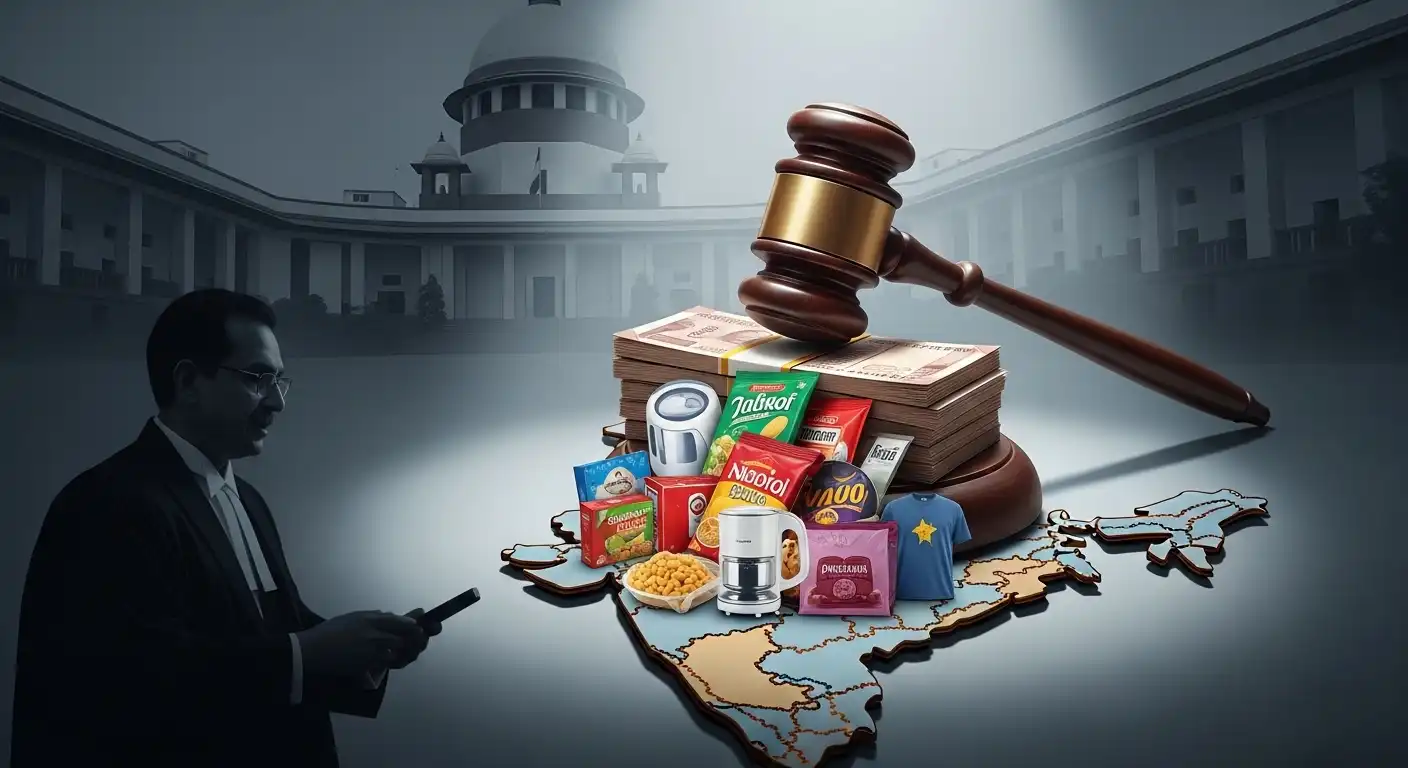
The Supreme Court on Thursday expressed concern over what it described as a growing “freebie culture” among states, observing that large-scale distribution of benefits without clear targeting could affect economic development.
The remarks came while hearing a plea related to a proposal by the Tamil Nadu Power Distribution Corporation Ltd, under the DMK-led state government, which suggested providing free electricity without distinguishing between income groups.
Court Flags Fiscal Concerns
A bench led by Chief Justice Surya Kant, along with Justices Joymalya Bagchi and Vipul M Pancholi, said that while supporting the poor is part of a welfare state’s duty, indiscriminate distribution of benefits should be carefully examined.
The court noted that many states are already facing revenue deficits yet continue to announce such schemes. It observed that planned expenditure and proper budgetary justification are essential before rolling out large welfare measures.
The Chief Justice orally remarked that economic growth could be hampered if significant portions of state revenue are allocated to such largesse instead of development projects.
Call for Structured Policies
The bench suggested that instead of broad-based giveaways, states should design structured policies that directly improve people’s livelihoods, such as employment schemes or targeted welfare initiatives.
Justice Joymalya Bagchi observed that the issue is not limited to one state but is a broader national concern. The court emphasised the need for transparent budget proposals that clearly outline expenditure and its intended benefits.
Debate on Welfare vs Appeasement
The judges also questioned whether benefits extended without differentiating between those who can afford to pay and those who cannot might amount to appeasement.
However, the court clarified that providing assistance to economically weaker sections is understandable and consistent with the principles of welfare governance.
The observations were made during the hearing and form part of an ongoing legal examination of state welfare policies.
The matter is expected to be heard further as the court continues to review the broader implications of such schemes on fiscal stability and governance.
you may also like


- March 03, 2026
Gulf Tensions Rise; Evacuation Flights Reach India

- March 03, 2026
Chhattisgarh Private Schools Announce RTE Protest
- March 02, 2026
India Rejects Report Linking Officials to Nijjar Killing
- March 02, 2026