


- March 02, 2026
Those Tiny Dots on Your Nose Aren’t Blackheads: Dermatologist Explains What They Really Are
Think the dark dots on your nose are blackheads? A dermatologist explains sebaceous filaments and a simple routine to reduce them.
- January 06, 2026
- in Lifestyle
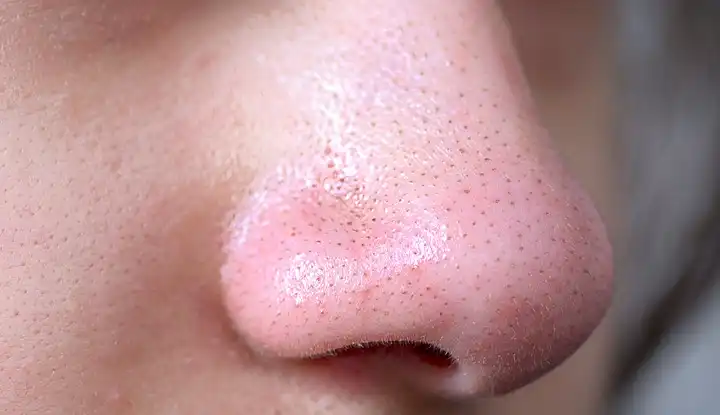
The tiny dark dots commonly seen on the nose are often mistaken for blackheads, but dermatologists say they are usually something else entirely — sebaceous filaments.
Sebaceous filaments are natural structures inside pores that help move oil, or sebum, to the skin’s surface. Because they are filled with oil and dead skin cells, they can appear as small grey or dark spots, particularly on oil-prone areas like the nose.
According to Dr Scott Walter, these spots are not a form of acne and do not indicate dirty skin. In a social media post, he explained that while sebaceous filaments cannot be permanently removed, their appearance can be reduced with a consistent skincare routine.
How Sebaceous Filaments Differ From Blackheads
Blackheads are a type of acne caused by clogged pores filled with oil and dead skin that oxidise on exposure to air. Sebaceous filaments, on the other hand, are a normal part of skin function and appear more uniform and evenly spaced.
Medical institutions such as the Cleveland Clinic note that blackheads are open comedones, while sebaceous filaments are structural and recurring.
A Simple 3-Step Routine to Reduce Their Appearance
Dr Walter suggests a straightforward skincare regimen that may help minimise their visibility over time:
1. Use a BHA exfoliant in the morning
Beta-hydroxy acid (BHA) is oil-soluble, allowing it to penetrate pores and break down excess oil and dead skin cells that make sebaceous filaments more noticeable. It can be applied directly or with a cotton pad for a short contact treatment.
2. Apply retinol or a retinoid at night
Retinol supports cell turnover and helps keep pores clear, reducing buildup inside them over time.
3. Use clay masks a few times a week
Clay or kaolin masks help absorb excess oil, draw out impurities and regulate sebum production, which can lessen the prominence of these dots.
Experts caution against harsh scrubs, pore strips or aggressive extraction, which can irritate the skin and worsen oil production.
Note: This content is for general information only and is not a substitute for professional medical advice. Always consult a qualified healthcare provider or dermatologist for personalised skincare guidance.
you may also like


- March 02, 2026
iPhone 17e Launched in India at Rs 64,900

- March 02, 2026
Tea & Biscuits on Empty Stomach? Expert Warns

- March 02, 2026
