


- March 03, 2026
What next for the Thackerays and Pawars as family alliances falter in Mumbai and Pune polls
Thackeray and Pawar family reunions fail to deliver electoral gains as BJP-led alliance dominates Mumbai and Pune civic polls.
- January 16, 2026
- in National
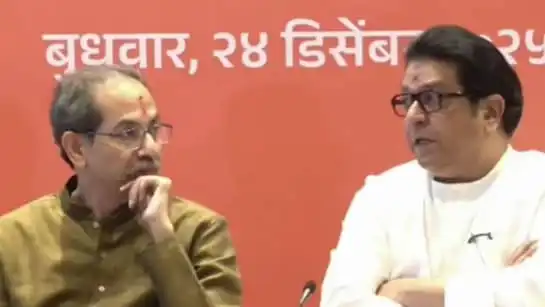
The results of the Maharashtra municipal elections have delivered a major political setback to two of the state’s most influential political families — the Thackerays and the Pawars — raising fresh questions about the future of their fractured parties and alliances.
Despite high-profile reunions ahead of the polls, both families failed to reclaim dominance in their traditional strongholds of Mumbai and Pune. The civic results indicate that voter consolidation around family legacies may no longer carry the political weight it once did.
In Mumbai, the reunion between Uddhav Thackeray and cousin Raj Thackeray failed to stem the advance of the BJP-led alliance. Trends show the faction led by Eknath Shinde, which retained the Shiv Sena name and symbol after the 2022 split, poised to take control of the Brihanmumbai Municipal Corporation — India’s richest civic body.
The undivided Shiv Sena, founded by Bal Thackeray, governed Mumbai for nearly 25 years. However, shifting political alignments, ideological ambiguity, and organisational splits appear to have diluted its electoral appeal. While Raj Thackeray attempted to revive aggressive street-level politics centred on regional identity, the strategy did not translate into significant gains at the ballot box.
A similar pattern emerged in Pune and Pimpri-Chinchwad, where the reunited factions of the Nationalist Congress Party struggled to make an impact. The alliance between Ajit Pawar and his uncle Sharad Pawar fell well short of expectations in what were once considered Pawar bastions.
The BJP maintained a strong lead in Pune, while both NCP factions remained confined to single-digit tallies. The performance has cast doubt over speculation of a long-term Pawar reunion at the state or national level, with political observers noting a visible erosion of grassroots strength.
Across Maharashtra, the BJP-led alliance emerged dominant in a majority of the 29 municipal corporations, signalling a broader shift away from family-centric politics toward organisational strength and ideological clarity.
As the dust settles, both the Thackerays and the Pawars face pressing questions about leadership, relevance, and the future direction of their respective political movements in a rapidly evolving electoral landscape.
you may also like


- March 03, 2026
Gulf Tensions Rise; Evacuation Flights Reach India

- March 03, 2026
Chhattisgarh Private Schools Announce RTE Protest
- March 02, 2026
India Rejects Report Linking Officials to Nijjar Killing
- March 02, 2026