
The United States is preparing a major investment aimed at strengthening telecommunications infrastructure across the Caribbean and Central America, with the Trump administration proposing $175.8 million to replace ageing undersea communication cables.
The proposal forms part of a broader strategy to counter China’s expanding economic, technological and diplomatic presence in strategically important regions while reinforcing secure digital connectivity with trusted partners.
Secure Telecommunications Infrastructure Takes Priority
According to the proposed plan, the funding will support the installation of modern undersea telecommunications cables designed to replace outdated infrastructure across several Caribbean and Central American nations.
The project seeks to encourage regional governments to work with trusted private-sector partners in deploying secure communication networks that reduce dependence on foreign-controlled infrastructure.
US officials believe resilient telecommunications systems are increasingly vital for national security, economic growth and regional digital connectivity.
Broader Strategy to Counter China’s Expanding Presence
The undersea cable initiative is part of a wider effort by Washington to strengthen its strategic influence in regions where China has significantly expanded investments through infrastructure projects, telecommunications and port development.
US policymakers have expressed concerns over China’s growing involvement in major infrastructure assets across the Western Hemisphere, including investments linked to ports, digital networks and broader regional development programmes.
Officials argue that strengthening trusted infrastructure partnerships will help improve long-term regional security and economic resilience.
Additional Anti-China Programmes Under Review
Beyond the telecommunications initiative, the administration is reportedly considering more than $340 million in additional projects aimed at reinforcing US engagement across Latin America, Africa and Asia.
These programmes would focus on:
- Strengthening cybersecurity capabilities.
- Protecting critical infrastructure.
- Expanding secure digital communication systems.
- Enhancing cooperation with regional partners.
- Addressing strategic technological competition.
Several previously suspended initiatives are also being reviewed for revival following earlier government spending reductions.
Focus on Central America and Caribbean Nations
The proposed cable replacement programme is expected to benefit several countries in the region, including:
- El Salvador
- Guatemala
- Honduras
- Haiti
- Nicaragua (excluding direct cooperation with the Nicaraguan government)
The initiative is designed to improve regional digital infrastructure while supporting trusted communication networks across partner nations.
Strategic Competition Continues Alongside Diplomacy
The funding proposal comes even as diplomatic engagement between Washington and Beijing continues.
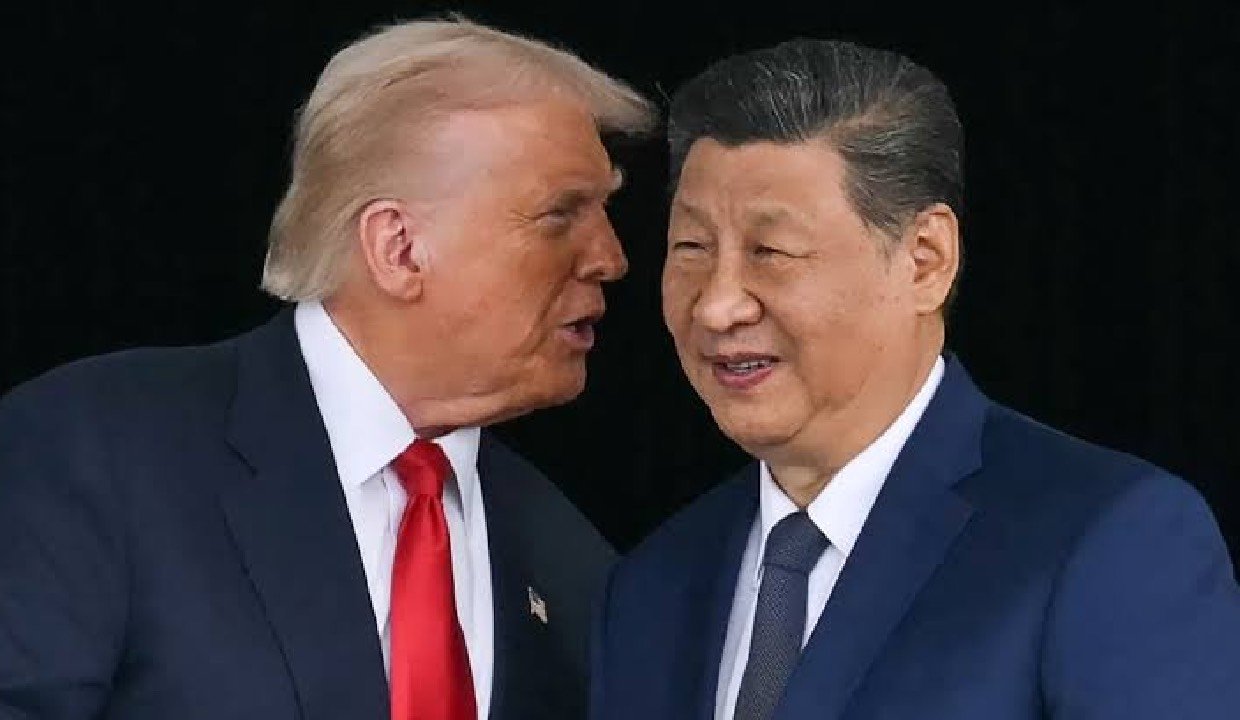
President Donald Trump is expected to meet Chinese President Xi Jinping later this year, with both countries maintaining dialogue despite ongoing disagreements over technology, trade, regional security and geopolitical influence.
Recent high-level meetings between senior US and Chinese officials have reflected efforts to manage bilateral relations while continuing strategic competition across multiple sectors.
If approved, the proposed investments would represent one of the most significant recent US initiatives aimed at strengthening secure infrastructure and reinforcing its strategic presence across the Western Hemisphere.
Frequently Asked Questions (FAQs)
1. What is the US proposing in the Caribbean?
The Trump administration has proposed $175.8 million to replace ageing undersea telecommunications cables across the Caribbean and Central America.
2. Why is the undersea cable project important?
Modern undersea cables support internet connectivity, communications, financial services and critical digital infrastructure.
3. Why is the US focusing on China?
Washington aims to reduce China’s growing influence in telecommunications, infrastructure and strategic investments across the region.
4. Which countries could benefit from the project?
The proposal includes support for El Salvador, Guatemala, Honduras, Haiti and other regional partners.
5. Is this part of a larger US strategy?
Yes. The cable initiative is one component of broader efforts to strengthen US engagement in the Western Hemisphere and other regions.
6. How much additional funding is being considered?
Reports indicate that more than $340 million in additional anti-China initiatives is also under review.
7. What sectors are included in the broader plan?
Cybersecurity, digital infrastructure, telecommunications, critical infrastructure protection and strategic regional partnerships.
8. Will the proposal affect US-China relations?
While the initiative reflects strategic competition, both countries continue diplomatic engagement through high-level meetings.
9. Why are undersea cables strategically significant?
They carry the majority of global internet and international data traffic, making them critical for communications, commerce and national security.
10. Has the proposal been approved?
The funding proposal has been submitted for consideration and will require congressional approval before implementation.