DU Colleges Asked to Expand Hostel Seats After Satya Niketan Tragedy
Delhi University has asked colleges to review hostel capacity, speed up ongoing projects and explore new construction to provide safer and more affordable student accommodation.
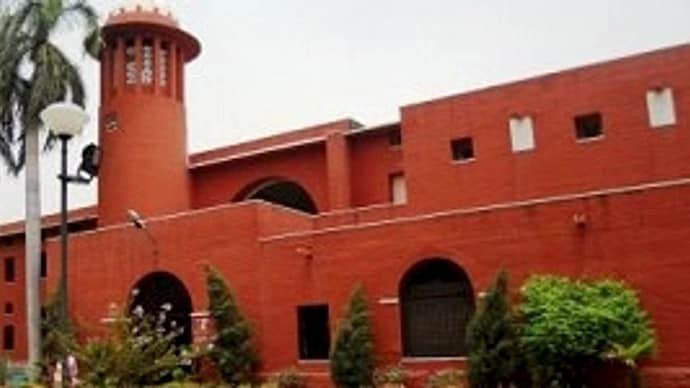
The University of Delhi has asked principals of all its colleges to review existing residential facilities and explore ways to expand hostel accommodation on their campuses. The move comes amid renewed concerns about the shortage of safe and affordable housing for students following the Satya Niketan building collapse.
Colleges have been directed to assess their current hostel capacity and facilities while accelerating projects that are already under construction. The university wants completed facilities to be made available to students as quickly as possible.
Principals have also been asked to examine whether new hostels can be developed on their campuses. Colleges will need to identify available land and assess whether their campuses have the space and infrastructure required for additional accommodation.
The exercise will also include an assessment of government schemes, possible financial support and other resources that could help colleges develop new hostel facilities. Where construction is considered feasible, colleges are expected to prepare proposals after assessing student demand, available land and infrastructure requirements.
The review is expected to consider existing hostel capacity, demand from students, maintenance needs and the additional accommodation likely to be required in the coming years. The focus is not only on adding beds but also on improving the quality and safety of institutional housing.
The initiative follows the collapse of a multi-storey building used as student accommodation in Satya Niketan, a popular residential area near Delhi University's South Campus. The incident raised concerns about safety standards in private paying-guest facilities and highlighted the limited availability of university-run hostel accommodation.
Satya Niketan attracts a large student population because of its proximity to several colleges and South Campus. With institutional hostel seats limited, many students, particularly those arriving in Delhi from other parts of the country, depend on private PGs, rented rooms and shared accommodation.
The shortage has also drawn attention from other authorities. The National Human Rights Commission has sought a comprehensive report from the Delhi government and the University Grants Commission on hostel and residential facilities available to Delhi University students. It has also called for an assessment of the need to expand and upgrade hostel infrastructure.
The Delhi High Court has separately sought responses from the Centre, the Delhi government and Delhi University on a petition seeking hostel facilities across the university's colleges. The petition has sought a college-wise assessment of hostel capacity and student accommodation requirements, along with a time-bound plan for expanding hostel infrastructure.
The latest exercise by Delhi University colleges is therefore aimed at addressing both capacity and safety. Expanding institutional accommodation could reduce students' dependence on private housing where building conditions and regulatory compliance may differ.
As colleges identify available land, assess student requirements and explore government funding options, new hostel proposals are expected to be prepared for consideration. The university's broader focus is on increasing accommodation while ensuring that existing and future facilities meet safety, fire and habitability standards.