NTA Reforms: Panel Suggests Rally Curbs, Late Entry Rules for Exam Candidates
A parliamentary panel has recommended restrictions on public gatherings during major competitive exams, a mechanism for late-arriving candidates and a separate 15-minute window for examination formalities to reduce disruptions.
A parliamentary panel has proposed several reforms to improve the conduct of competitive examinations organised by the National Testing Agency (NTA). Its recommendations include restricting public gatherings on exam days, allowing limited entry for late-arriving candidates and reserving a separate 15-minute window for examination formalities.
The Parliamentary Standing Committee on Education, Women, Children, Youth and Sports, headed by Rajya Sabha MP Mukul Wasnik, made the proposals in its report on reforms and strengthening of the NTA.
Panel recommends restrictions on rallies
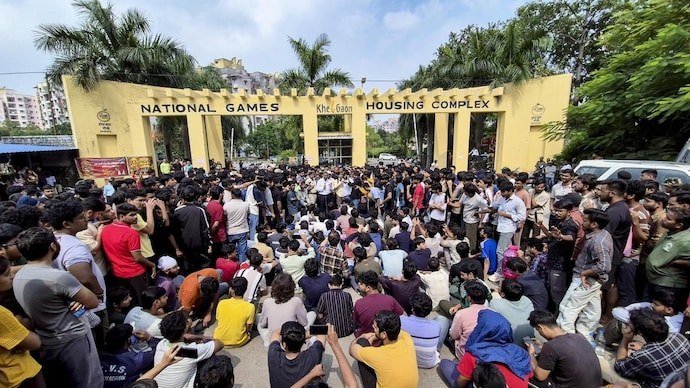
The committee recommended amending the Public Examinations (Prevention of Unfair Means) Act, 2024, to direct district administrations to withhold permission for rallies, processions and other public gatherings on days of crucial competitive examinations.
It said such events could disrupt traffic, delay candidates and prevent them from reaching examination centres on time. The panel also called for advance traffic management and law-and-order arrangements.
Late entry mechanism proposed
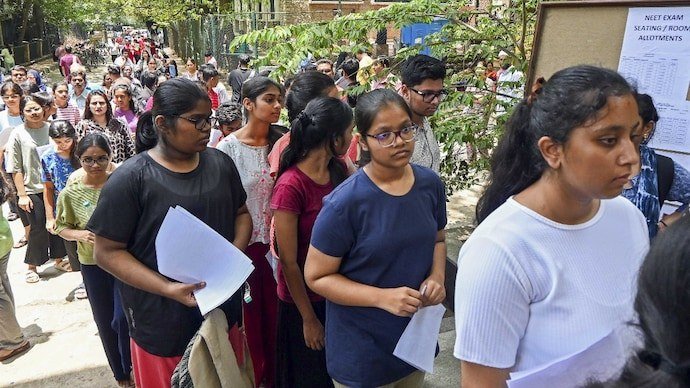
The committee suggested allowing candidates who arrive late for genuine reasons to enter examination halls after signing an undertaking recording the delay.
However, candidates would be allowed to attempt the paper only for the remaining examination duration. No extra time would be granted.
Separate 15-minute window for formalities
The panel also recommended a dedicated 15-minute window before or after examinations for activities such as checking and signing procedures.
It said these formalities should not interrupt candidates while they are taking the test, helping minimise distractions and protect examination time.
The proposals aim to reduce avoidable disruptions and make examination procedures more candidate-friendly. They are recommendations and would require the relevant authorities to take further action before implementation.