Ranabaali Real Story: The Great Madras Famine of 1876-78 Explained
Ranabaali uses the real history of the Great Madras Famine and Rayalaseema’s resistance as the backdrop for its fictional period action story.
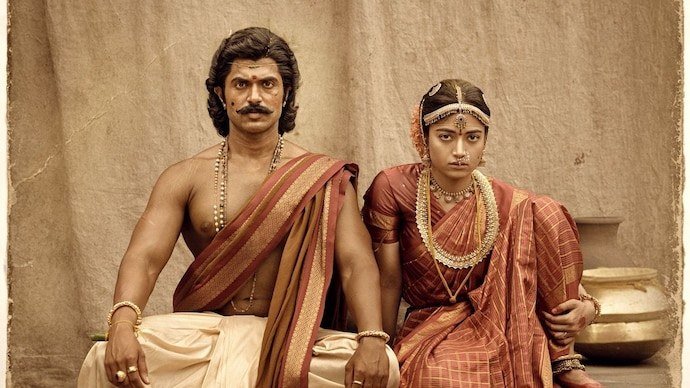
Ranabaali, starring Vijay Deverakonda and Rashmika Mandanna, is set against the backdrop of the Great Madras Famine of 1876-78, a devastating period in which famine, colonial policies and widespread suffering affected Rayalaseema and other parts of India.
The film’s story is fictional, but its historical setting is real. The famine followed the failure of the monsoon in 1876, leaving already drought-prone regions without adequate food reserves. Under British rule, colonial economic policies prioritised trade and revenue even as people faced severe shortages. Grain continued to be exported, while relief measures were often criticised for being inadequate.
Rayalaseema was among the worst-affected regions. Historical accounts suggest that hundreds of thousands died there, while estimates for the wider Indian death toll run into millions. Relief camps operated under strict conditions, with rations kept extremely low.
The famine also contributed to resistance in several areas. Villagers reportedly raided grain stores and resisted tax demands as hunger intensified. While colonial authorities often treated such actions as criminality, local traditions preserved memories of people who fought back against a system they believed had abandoned them.
Ranabaali does not appear to portray a specific historical figure or retell a documented rebel’s life. Instead, it uses the real famine, colonial oppression and traditions of local resistance as the foundation for its fictional warrior protagonist.
The film therefore combines historical circumstances with fictional characters and events, turning a tragic chapter of Indian history into a period action drama.