Government May Call Special Parliament Session After BRICS Summit for Key Bills
The Centre may convene a special Parliament session after the BRICS Summit to push the Women’s Reservation and Delimitation Bills, as it works to secure the required two-thirds majority.
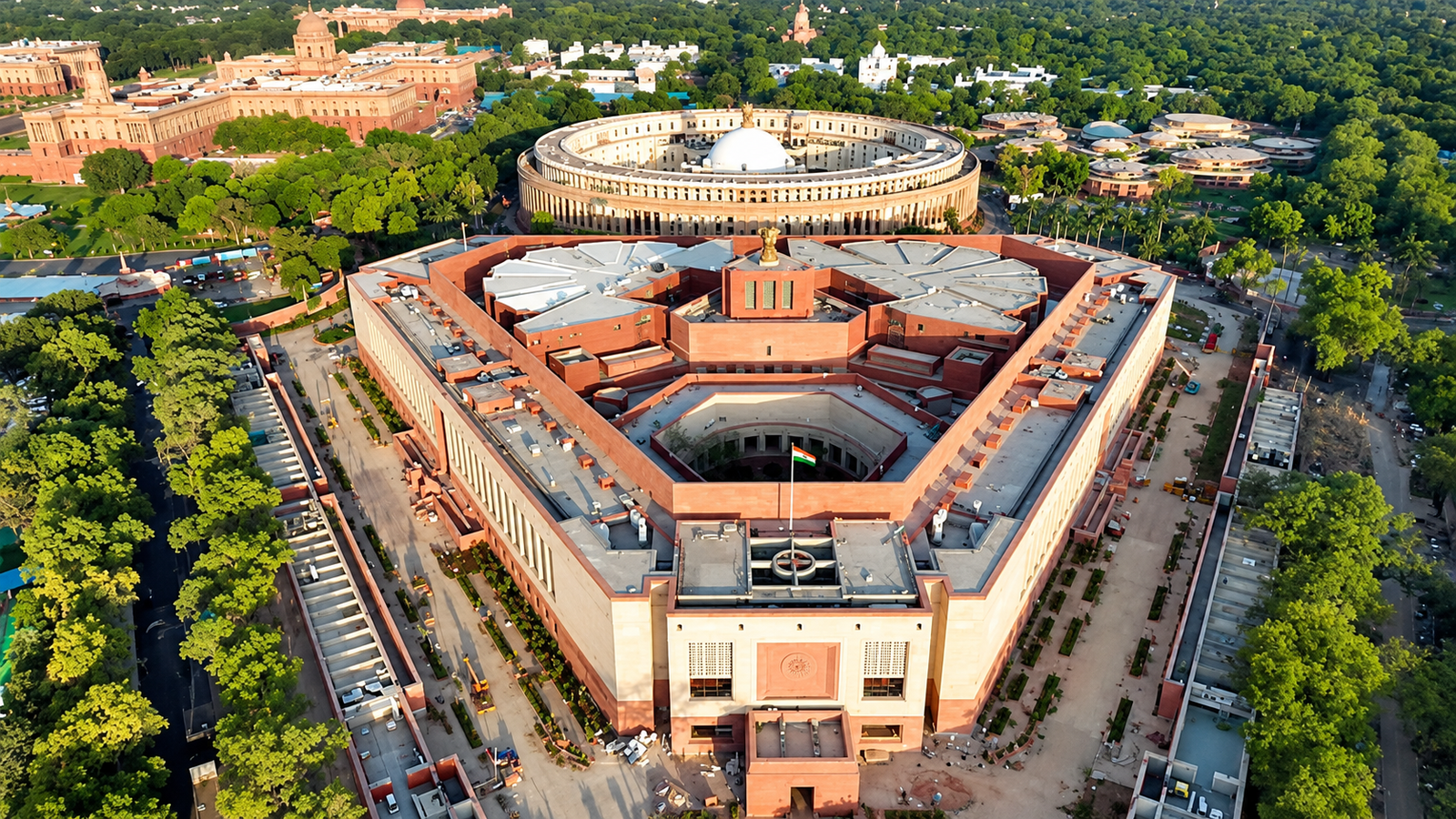
The Centre is keeping open the possibility of convening a special session of Parliament after the BRICS Summit to advance the Women’s Reservation Bill and the Delimitation Bill, according to government sources.
A decision on the proposed session is expected after the BRICS Summit. The Monsoon Session of Parliament has not yet been prorogued, and the government could formally prorogue it if it decides not to convene a special session.
If the special session is called, the government could consider scheduling it during Navratri. Sources said the timing could carry symbolic significance because the festival is associated with the worship of Goddess Durga and themes of women’s empowerment.
The possible move comes as the government works to secure the two-thirds majority required to pass the Constitutional Amendment Bill connected with delimitation and women’s reservation.
The Delimitation Bill and the Women’s Reservation Bill were introduced together as part of the 131st Constitutional Amendment Bill. The legislation could not secure the required special majority in the Lok Sabha during a three-day special session held in April.
At that time, the BJP-led National Democratic Alliance did not have sufficient numbers in either House to pass a Constitutional Amendment Bill. Subsequent political developments, however, have reduced the gap between the government and the required two-thirds majority in both the Lok Sabha and Rajya Sabha.
The special majority requirement is 360 MPs in the Lok Sabha and 164 MPs in the Rajya Sabha.
The BJP’s position was strengthened after the Trinamool Congress faced a major setback in the West Bengal Assembly elections in May.
The government is also exploring the possibility of receiving support from the DMK’s 22 Lok Sabha MPs following Tamil Nadu Chief Minister MK Stalin’s differences with the Congress, which is part of the INDIA bloc.
However, the proposed delimitation exercise remains politically sensitive in Tamil Nadu. The DMK had strongly opposed the exercise during the state election campaign, leaving uncertainty over whether the party would back the 131st Constitutional Amendment Bill.
The Women’s Reservation Bill proposes 33 per cent reservation for women in the Lok Sabha and state Legislative Assemblies. Its implementation is linked to delimitation and the subsequent restructuring of constituencies.
With the Monsoon Session yet to be prorogued, the government has retained the option of bringing Parliament back for a special sitting if it is able to secure the numbers needed to move forward with the proposed constitutional changes.