


- March 03, 2026
Bangladesh Slams Sheikh Hasina’s Delhi Speech, Warns of Damage to India Ties
Bangladesh criticises Sheikh Hasina’s Delhi speech, calling it shocking and warning the move could seriously strain ties with India.
- January 26, 2026
- in International
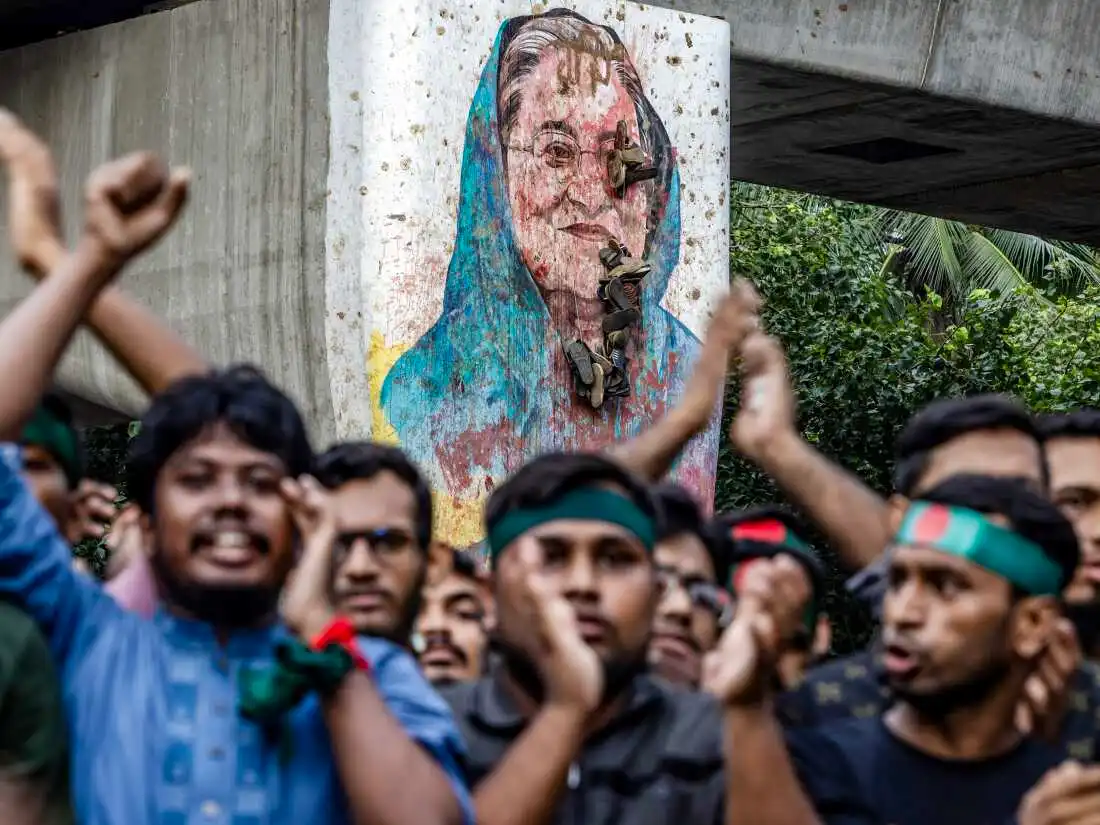
Bangladesh has strongly objected to former prime minister Sheikh Hasina delivering a public address from New Delhi, calling the move “shocking” and warning that it could seriously strain bilateral relations with India. Dhaka’s reaction came shortly after Hasina made her first public speech since leaving Bangladesh in August 2024 following a student-led uprising that brought an end to her 15-year rule.
In an official statement, Bangladesh’s foreign ministry said allowing Hasina to speak publicly from the Indian capital set a “dangerous precedent” and amounted to an affront to the people and government of Bangladesh. The ministry accused the former leader of using Indian soil to issue what it described as a “hate-filled address,” alleging that her remarks could inflame tensions at a sensitive political moment for the country.
Sheikh Hasina, who has been living in India since her ouster, addressed a packed press club in Delhi through an audio message on Friday. The speech marked her first direct outreach to supporters since a Dhaka court found her guilty in absentia in November on charges related to incitement, issuing orders to kill, and failing to prevent atrocities during the unrest. She was subsequently sentenced to death, a verdict that remains deeply polarising within Bangladesh and the international community.
In her address, Hasina urged citizens of Bangladesh to rise against the interim government led by Muhammad Yunus, accusing it of being incapable of conducting free and fair elections. With national polls scheduled for February 12, she claimed the current administration was illegitimate and called on people to defend the constitution and sovereignty of the country.
Hasina used strong language to criticise Yunus, describing him as “corrupt” and “power-hungry,” and alleged that her removal from office was the result of a “meticulously engineered conspiracy.” She claimed Bangladesh had entered an “age of terror,” accusing the interim leadership and its allies of suppressing democracy, silencing the press, and failing to protect women, minorities, and vulnerable groups. At the same time, she called for an end to violence and demanded international oversight, urging the United Nations to conduct what she termed an impartial investigation into events following the fall of her government.
The Delhi event was also attended virtually and in person by senior leaders of her Awami League party, including former ministers, who echoed her claims and argued that the upcoming election would lack credibility without their party’s participation. Their remarks further intensified the political fallout surrounding the speech.
Bangladesh’s foreign ministry said that permitting such an address from India risked undermining mutual trust and respect between the two neighbours. Officials warned that the episode could “seriously impair bilateral relations,” particularly at a time when regional stability and diplomatic cooperation are crucial.
The controversy has placed New Delhi in a delicate position, balancing its long-standing ties with Bangladesh against the sensitivities surrounding Hasina’s continued presence and political activity on Indian soil. As reactions continue to pour in from Dhaka and beyond, the incident has added a new layer of complexity to India–Bangladesh relations ahead of a crucial election in Bangladesh.
you may also like


- March 02, 2026
Trump Says Iran Operations May Last 4–5 Weeks

- March 02, 2026
How Switzerland Became the World’s Most Nuclear-Ready Nation

- March 02, 2026
Middle East War Escalates; Oil, Air Travel Hit

- March 02, 2026