


- March 02, 2026
US-Iran Conflict: Missiles, Airstrikes, Global Disruption
US-Iran conflict escalates as Trump claims Iranian warships destroyed, Iran alleges “bombing of negotiating table”; flights cancelled, oil prices surge.
- March 02, 2026
- in International
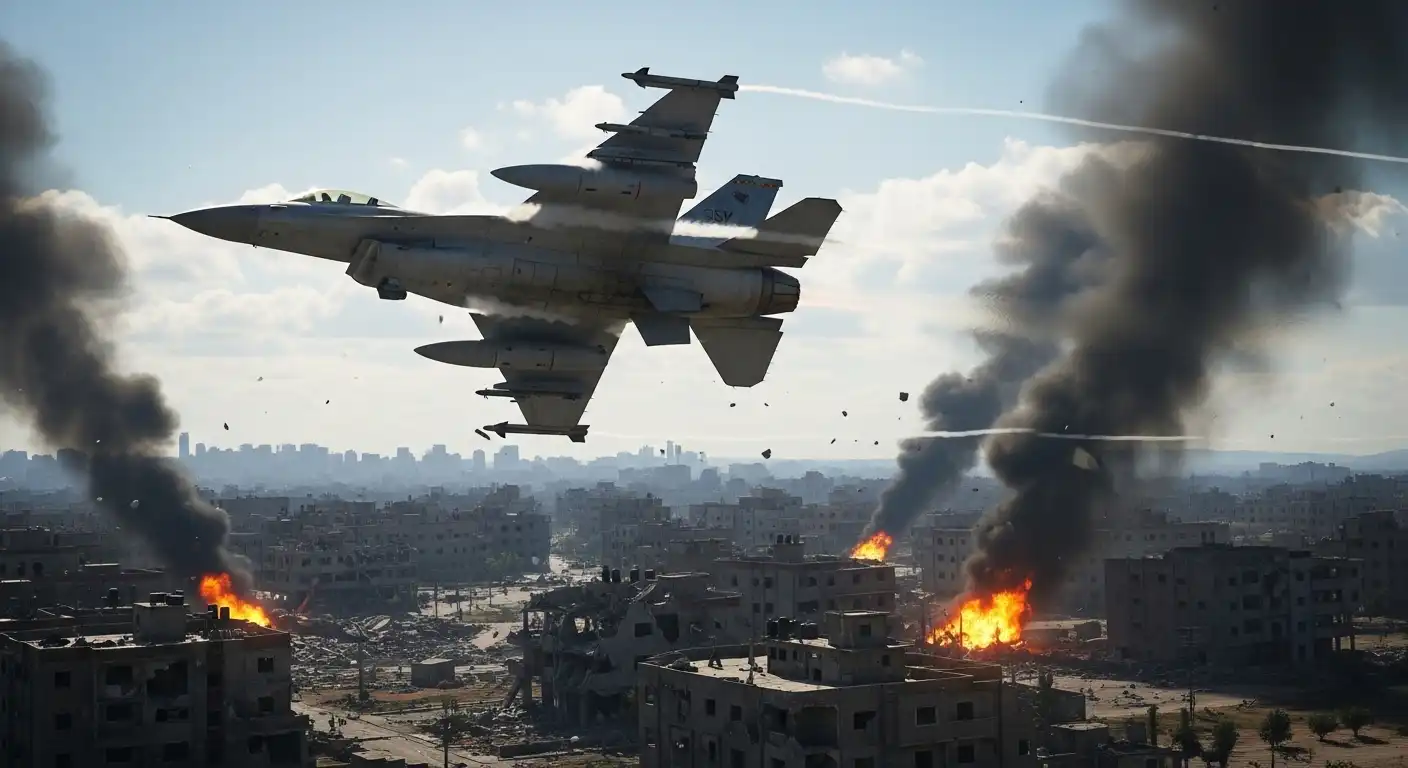
The conflict between the United States and Iran intensified on Sunday, with both sides making strong claims amid ongoing military strikes across the Middle East.
US President Donald Trump said that nine Iranian naval ships had been “destroyed and sunk” during American military operations. In separate remarks, he also claimed that Iran’s naval headquarters had been largely destroyed.
Iran, however, accused the US of escalating tensions. Iranian Foreign Minister Abbas Araghchi alleged that Trump had ordered the “bombing of the negotiating table” following recent US-Israeli strikes.
Deadly Strike in Israel
In Israel, nine people were killed and more than 40 injured after an Iranian ballistic missile struck a residential neighbourhood in Beit Shemesh, near Jerusalem, according to local authorities cited by media reports.
Emergency services said several people were declared dead at the site, while others were taken to hospitals, including some in serious condition. The strike reportedly caused heavy damage to nearby buildings and a bomb shelter.
Military Claims and Counterclaims
The US military confirmed that three American service members were killed and several others injured in operations targeting Iran. US Central Command described the situation as “fluid” and said operations were continuing.
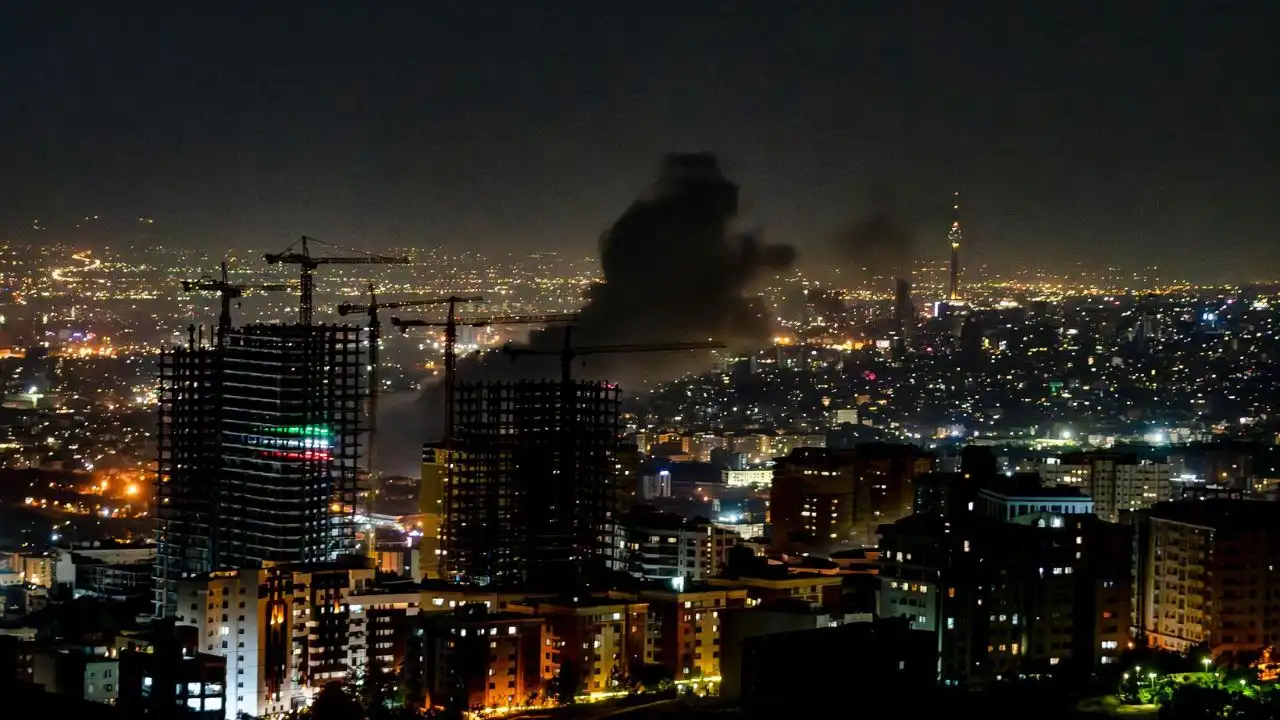
Meanwhile, Iranian state media reported that multiple explosions were heard in Tehran. Iranian state television said it had been targeted by strikes but remained on air.
Iran also claimed it had struck US military bases in parts of the Gulf region. US officials denied reports that the USS Abraham Lincoln aircraft carrier had been hit, stating that it remained operational.
Air Travel Disrupted Worldwide
The escalating conflict has severely affected global aviation.
Major airports in the Gulf region, including hubs in Dubai, Abu Dhabi and Doha, faced closures or heavy restrictions as parts of regional airspace were shut.
Thousands of flights were cancelled, leaving passengers stranded in several international cities. Airlines have rerouted aircraft to avoid conflict zones.
Oil Prices Jump
The geopolitical tensions have also impacted energy markets. Brent crude prices reportedly rose sharply, with analysts warning that oil could approach or exceed $100 per barrel if the conflict continues.
Rising oil prices may increase fuel costs globally and add pressure to economies already facing inflation concerns.
Diplomatic Signals
Despite the military escalation, there were indications of possible diplomatic outreach.
Trump said in an interview that Iran’s leadership wanted to talk and that he had agreed to discussions, although no specific timeline was mentioned.
Oman’s foreign ministry stated that Iran had expressed openness to serious efforts at de-escalation following phone discussions between officials.
European leaders also weighed in. European Commission President Ursula von der Leyen said she had spoken with Saudi Arabia’s Crown Prince to support efforts aimed at regional stability.
Regional Impact
Several Gulf nations reported intercepting missiles and drones amid the escalating exchange of fire. Authorities in the United Arab Emirates said multiple people were injured in drone-related incidents, including one Indian national who is reported to be out of danger.
Protests were reported in parts of the region, while governments urged calm and heightened security.
As the situation develops, global markets, air travel and diplomatic channels remain under close watch. Officials on all sides continue to issue statements, but uncertainty remains high over how long the conflict will last and whether negotiations can prevent further escalation.
you may also like
- March 01, 2026
Chinese Weapons Face Scrutiny After Conflicts
- March 01, 2026
US–Israel Strikes on Iran: Leaders React
- March 01, 2026
London Restaurant Row Over ‘No Halal’ Sign
- March 01, 2026