


- March 02, 2026
US–Israel Strikes on Iran: Leaders React
US–Israel strikes on Iran trigger leadership change in Tehran, missile exchanges and global reactions as regional tensions sharply escalate.
- March 01, 2026
- in International
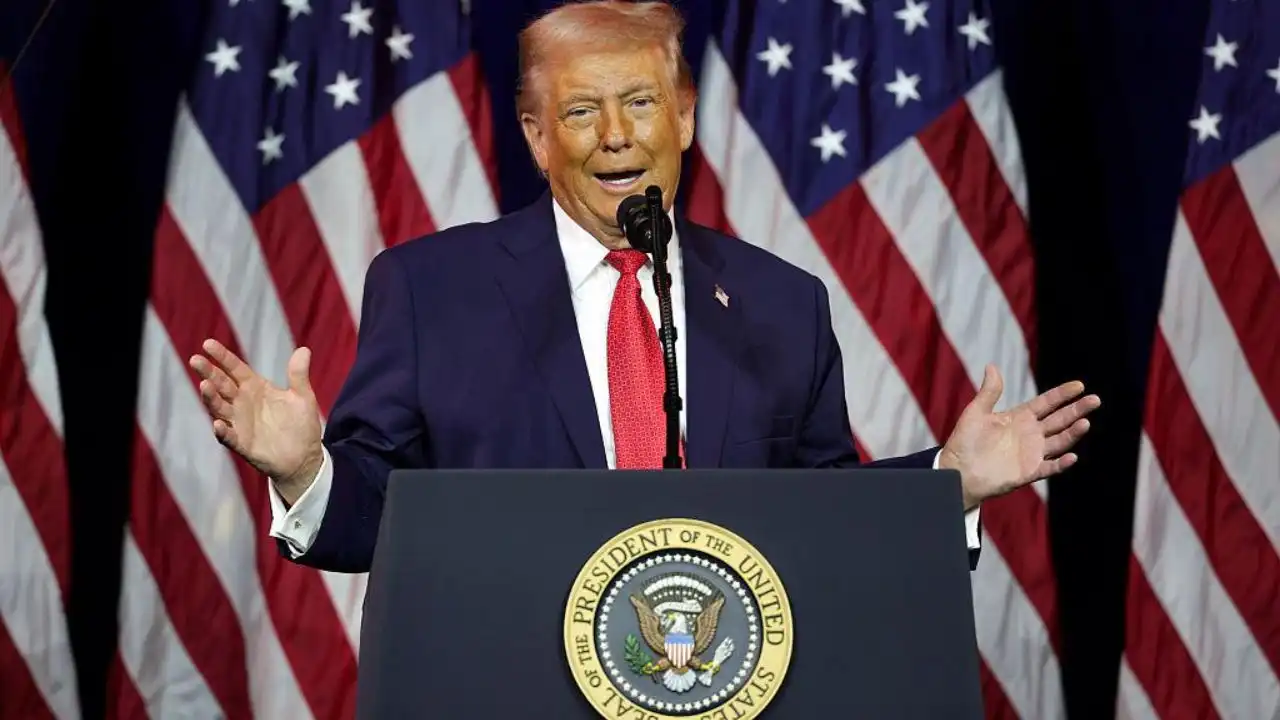
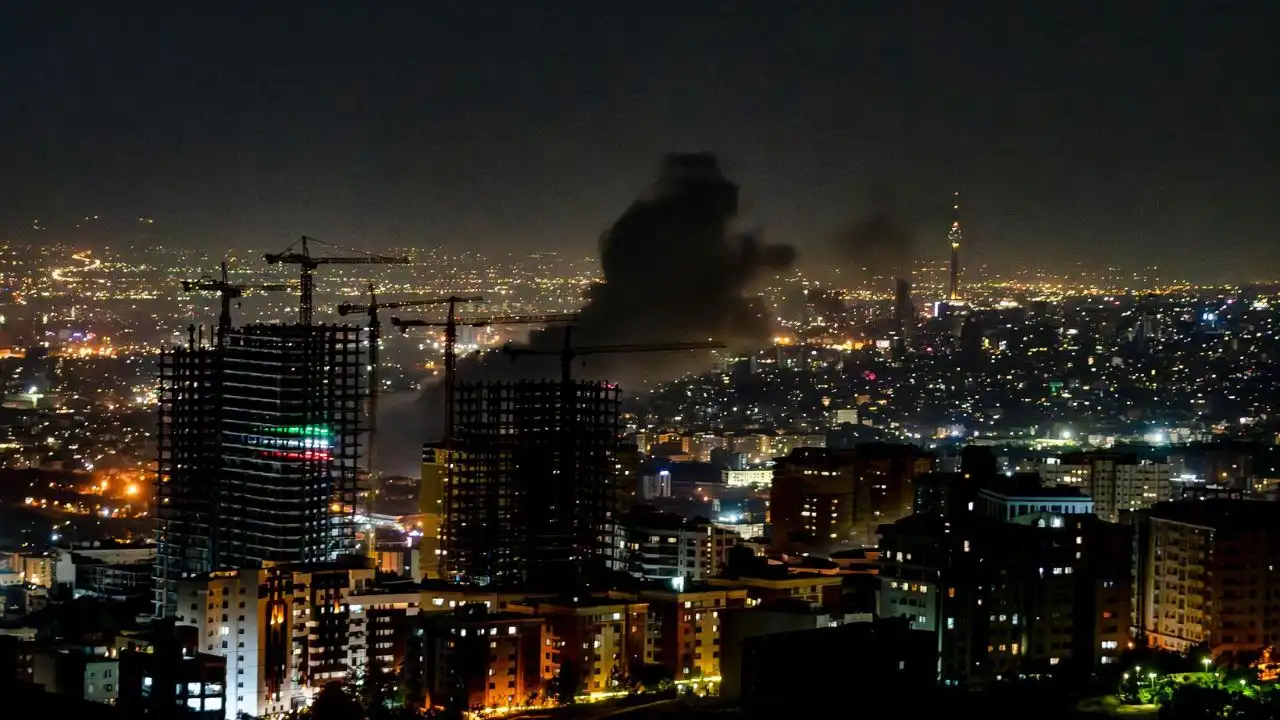
Tensions in West Asia escalated sharply after coordinated strikes by the United States and Israel targeted sites in Iran, followed by retaliatory missile attacks and strong reactions from global leaders.
According to Iranian state media, Supreme Leader Ali Khamenei was killed in the strikes. Iranian authorities later announced that senior cleric Alireza Arafi has been appointed as interim Supreme Leader.
The United States and Israel have not released a joint detailed operational statement, but US President Donald Trump confirmed the operation in public remarks. He described the strikes as successful and warned Iran against further escalation.
Missile Exchanges and Casualties
Following the strikes, Iranian missiles were fired toward Israeli cities, including Tel Aviv. Israeli emergency services reported casualties and injuries from missile impacts. Air defence systems were activated across several locations.
The Israel Defense Forces said it conducted what it described as a “precise, large-scale” operation in Tehran. Israeli officials stated the objective was to neutralise threats.
Iran’s military and state media reported additional casualties among senior officials. The situation remains fluid, with both sides continuing military operations.
Regional and Global Reactions
Iran’s President Masoud Pezeshkian condemned the killing, calling it a serious escalation. Iranian Foreign Minister Abbas Araghchi described the action as a violation of international law and warned that Iran would defend itself.
Israeli Prime Minister Benjamin Netanyahu said operations inside Tehran would intensify in the coming days.
Russia’s President Vladimir Putin condemned the killing, describing it as a violation of international norms. China also criticised the strikes and urged an immediate halt to military action.
In Pakistan, Prime Minister Shehbaz Sharif expressed condolences and raised concerns over international law implications.
Maritime and Aviation Disruptions
Reports also emerged of incidents in the Strait of Hormuz, including attacks on vessels navigating the strategic waterway. Oman confirmed an oil tanker was attacked, leaving crew members injured.
Airspace closures and security alerts disrupted international travel. Airlines, including Air India, announced suspension or cancellation of multiple flights to and from affected regions. Airports in Tel Aviv and parts of the Gulf activated emergency protocols.
Security Alerts Across Region
Explosions were reported in Tehran and parts of the Gulf, including Dubai and Doha. Authorities in several countries issued advisories urging residents to remain alert.
In Israel, air raid sirens sounded in multiple cities as missile interceptions took place. The Home Front Command advised civilians to stay near shelters.
Ongoing Developments
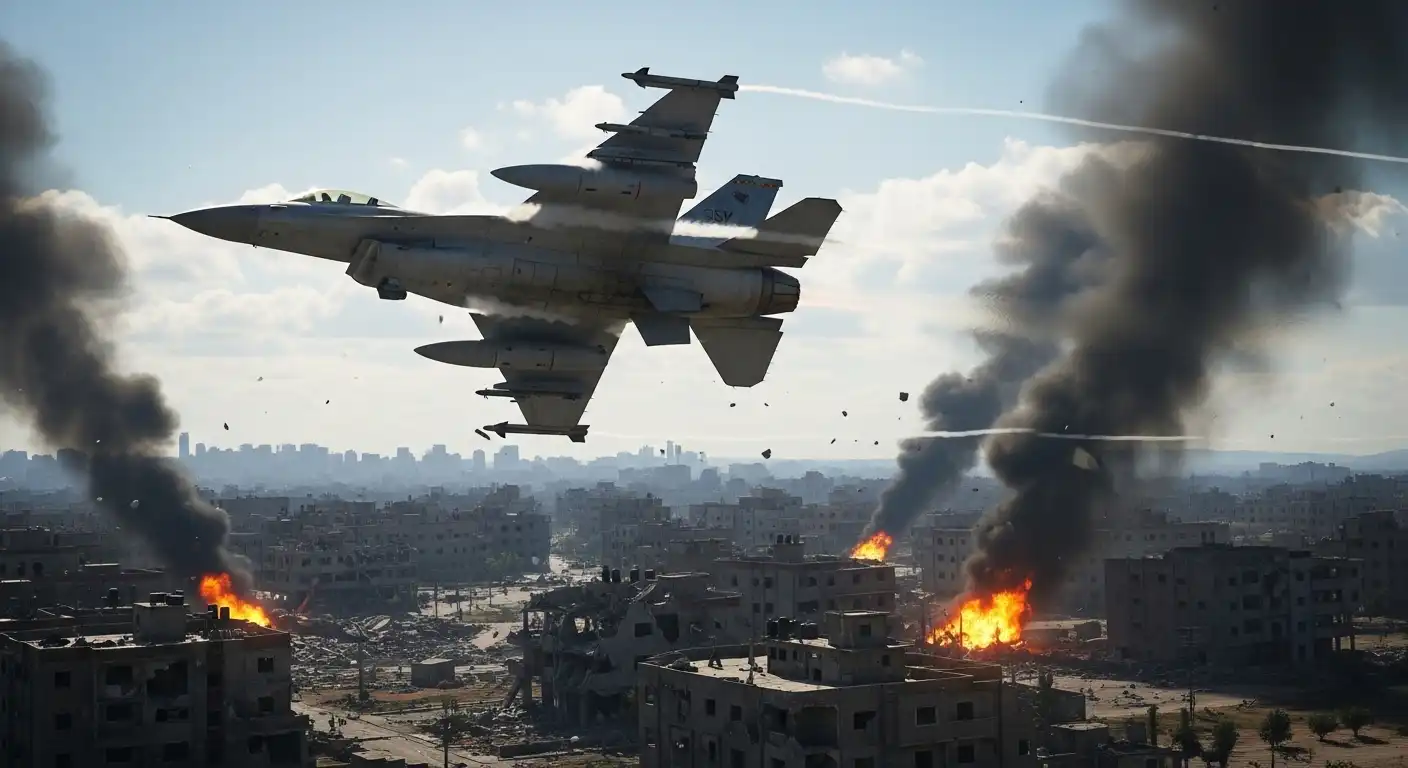
The strikes mark one of the most serious escalations in recent years between Iran, Israel and the United States. Diplomatic and military responses are still unfolding.
Governments worldwide are closely monitoring the situation as concerns grow about broader regional instability.
you may also like
- March 02, 2026
Modi Condemns Iran Attacks, Backs UAE
- March 01, 2026
Chinese Weapons Face Scrutiny After Conflicts

- March 01, 2026
London Restaurant Row Over ‘No Halal’ Sign
- March 01, 2026