


- March 02, 2026
Chinese Weapons Face Scrutiny After Conflicts
Recent conflicts in Pakistan, Venezuela and Iran have raised questions about the performance of Chinese-made air defence systems and radar technology.
- March 01, 2026
- in International
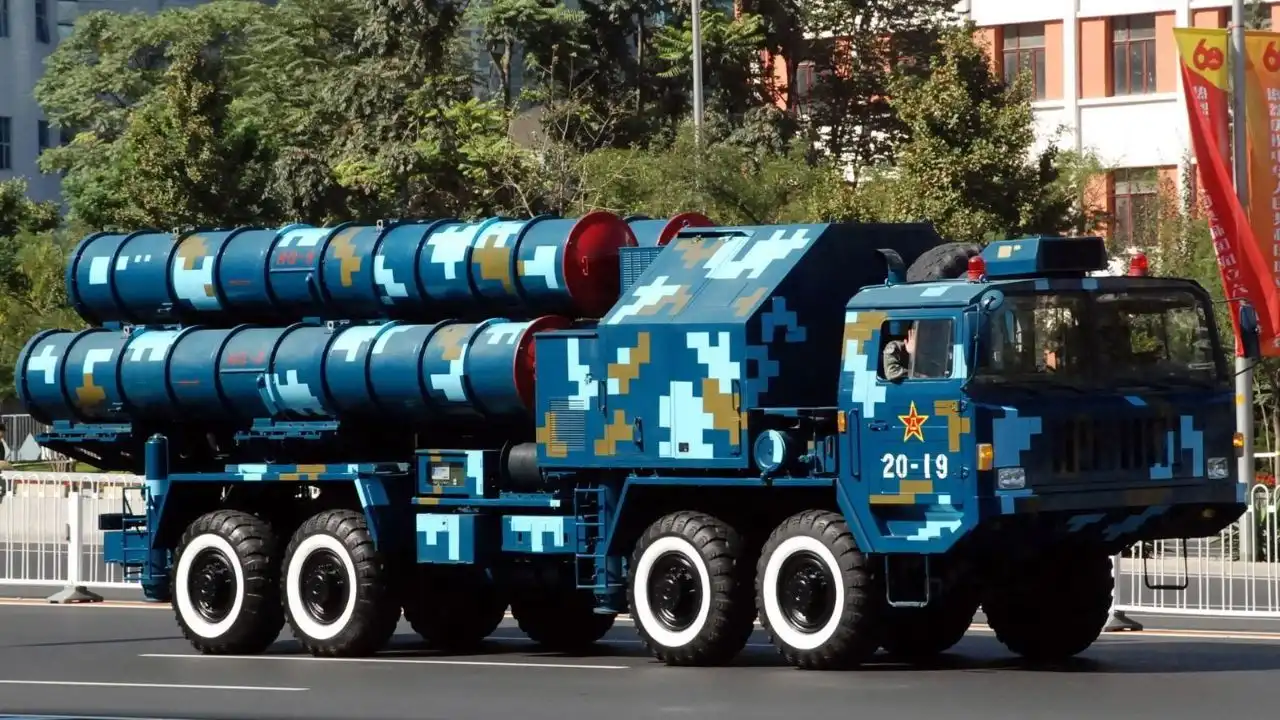
Recent military conflicts in South Asia, Latin America and West Asia have drawn attention to the battlefield performance of Chinese-made defence systems.
China is currently one of the world’s largest arms exporters. Several countries, including Pakistan, Venezuela and Iran, have relied heavily on Chinese radar and surface-to-air missile platforms. However, recent operations have raised questions about how some of these systems performed under combat conditions.
Pakistan and Operation Sindoor
During India’s reported Operation Sindoor, the Indian Air Force carried out precision strikes on selected targets inside Pakistan.
Reports suggested that Pakistan deployed Chinese-origin systems such as the HQ-9 air defence platform and YLC-series radars. Indian officials claimed their strikes successfully bypassed or neutralised these defences.
Pakistan has not released a detailed technical breakdown of the incidents, and independent verification of battlefield performance remains limited. However, defence analysts say the episode has sparked debate over the integration and resilience of export-grade air defence systems.
Venezuela and US Operation
In a separate development, US forces reportedly conducted a high-profile operation in Venezuela earlier this year. According to American officials, the mission faced limited resistance from local air defence networks, which include Chinese-supplied radar and missile systems.
While US authorities described the operation as successful, Venezuela has not publicly released technical details about any air defence failures. Analysts note that maintenance, training and operational readiness can significantly affect system performance.
Iran and Ongoing Strikes
Amid escalating tensions between the United States, Israel and Iran, reports indicate that Iran’s air defence network includes Chinese-made HQ-9B systems alongside indigenous and Russian platforms.
Following recent strikes on Iranian targets, questions have emerged about interception rates and system coordination. Military experts caution that air defence outcomes depend on multiple variables — including electronic warfare, stealth capabilities and network integration — rather than hardware alone.
Iranian authorities have acknowledged damage from strikes but have not issued detailed assessments of system performance.
Broader Defence Market Questions
China’s defence exports have grown significantly over the past decade due to competitive pricing and flexible financing. However, military analysts argue that real-world combat conditions often reveal operational limitations that may not appear during demonstrations or exercises.
Experts also point out that export versions of weapons systems can differ from those deployed domestically by supplier nations.
The debate highlights the growing importance of electronic warfare resilience, integrated command networks and rapid software upgrades in modern conflicts.
Strategic Implications
While it is too early to draw definitive conclusions, the recent events have intensified scrutiny of Chinese-origin military equipment in active conflict zones.
Defence markets are closely watching how future upgrades, training programmes and operational reforms may address these concerns.
For now, the evolving conflicts continue to shape perceptions of global military technology and the balance between cost, capability and combat readiness.
you may also like

- March 02, 2026
Modi Condemns Iran Attacks, Backs UAE

- March 01, 2026
US–Israel Strikes on Iran: Leaders React

- March 01, 2026
London Restaurant Row Over ‘No Halal’ Sign
- March 01, 2026