


- March 02, 2026
China’s Gen Z Embrace ‘Doll Parenting’ Trend
Young women in China are raising cotton dolls as “children,” citing career pressure, high costs, and emotional comfort.
- February 17, 2026
- in Lifestyle
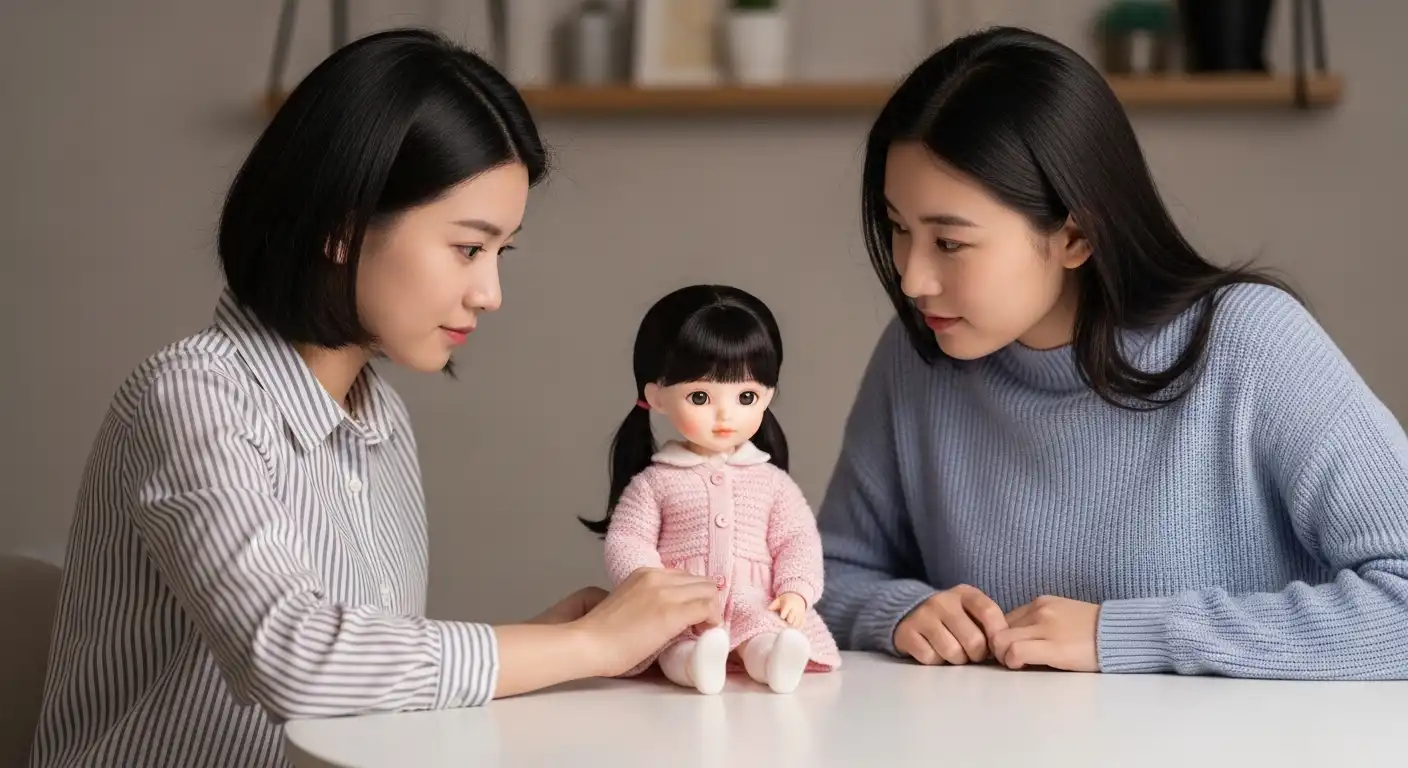
A growing number of young women in China are embracing what many online are calling “doll parenting” — caring for life-sized cotton dolls as if they were real children.
According to a report by the South China Morning Post (SCMP), members of China’s Gen Z are celebrating doll birthdays, buying designer outfits, styling wigs, and even taking the toys out for meals and outings. Supporters describe it as a form of “painless parenthood” that offers emotional satisfaction without the financial and social pressures of raising a child.
A Viral Restaurant Incident
The trend gained wider attention after a woman reportedly visited a Haidilao hotpot restaurant in October 2023 with her cotton doll and requested a baby chair to celebrate its birthday. According to SCMP, the restaurant staff declined to treat the doll as a child, which led to an online debate.
The incident sparked mixed reactions on social media, with some defending doll owners and others questioning the practice. The episode brought renewed focus to what had been a niche subculture.
How the Trend Began
The cotton doll culture reportedly gained traction around 2015, when fans of K-pop group EXO carried dolls inspired by singer Chen (Kim Jong-dae) to concerts. Over time, custom-made dolls became popular across Asian fan communities.
By 2018, the Chinese market reportedly divided into two categories:
-
“Attributed” dolls, designed to resemble celebrities, anime characters, or idols
-
“Non-attributed” dolls, created purely from original designs
Many enthusiasts describe the waiting period for a doll’s delivery as similar to expecting a baby. Once received, the doll becomes part of daily life.
What ‘Doll Parenting’ Looks Like
Doll owners often invest time and money into customizing their dolls. Activities include styling wigs, applying miniature makeup, buying clothes, and arranging themed photoshoots.
Some take their dolls to parks, cafés, or shopping trips. Online marketplaces such as Taobao reportedly list thousands of custom doll options, with prices ranging from approximately $200 to $800.
Supporters say the trend provides emotional comfort and creative expression.
Social and Economic Pressures
Observers note that rising housing costs, demanding work schedules — often referred to as the “996” work culture (9 AM to 9 PM, six days a week) — and societal expectations around marriage and childbirth may influence lifestyle choices among young women.
In China, women over their late twenties are sometimes labeled as “leftover women,” adding to social pressure. Some young professionals reportedly view traditional parenthood as financially and emotionally challenging.
Advocates of doll parenting argue that it allows them to experience nurturing feelings without interrupting careers or facing long-term financial commitments. Reports suggest that raising a child to adulthood can cost hundreds of thousands of dollars, making doll ownership a comparatively low-cost alternative.
Criticism and Psychological Perspective
Critics describe the trend as escapism or immaturity. However, some psychologists reportedly see it as a coping mechanism in a high-pressure society. They suggest that caring for dolls may provide emotional healing and a sense of control in uncertain times.
There is no official data indicating how widespread the practice is, but online communities and retail activity suggest steady interest.
A Changing Definition of Adulthood?
The trend reflects broader discussions about shifting attitudes toward marriage and parenthood among younger generations.
While traditional family structures remain important in China, evolving economic realities and lifestyle preferences are influencing personal decisions.
For some Gen Z women, doll parenting is less about replacing children and more about redefining fulfillment on their own terms.
you may also like


- March 02, 2026
iPhone 17e Launched in India at Rs 64,900
- March 02, 2026
Tea & Biscuits on Empty Stomach? Expert Warns

- March 02, 2026
