


- March 01, 2026
From Slum Walls to Global Stage: Indian Teacher Rouble Nagi Wins Global Teacher Prize
Indian educator Rouble Nagi wins the Global Teacher Prize for transforming slums into classrooms through murals and learning centres.
- February 05, 2026
- in Education
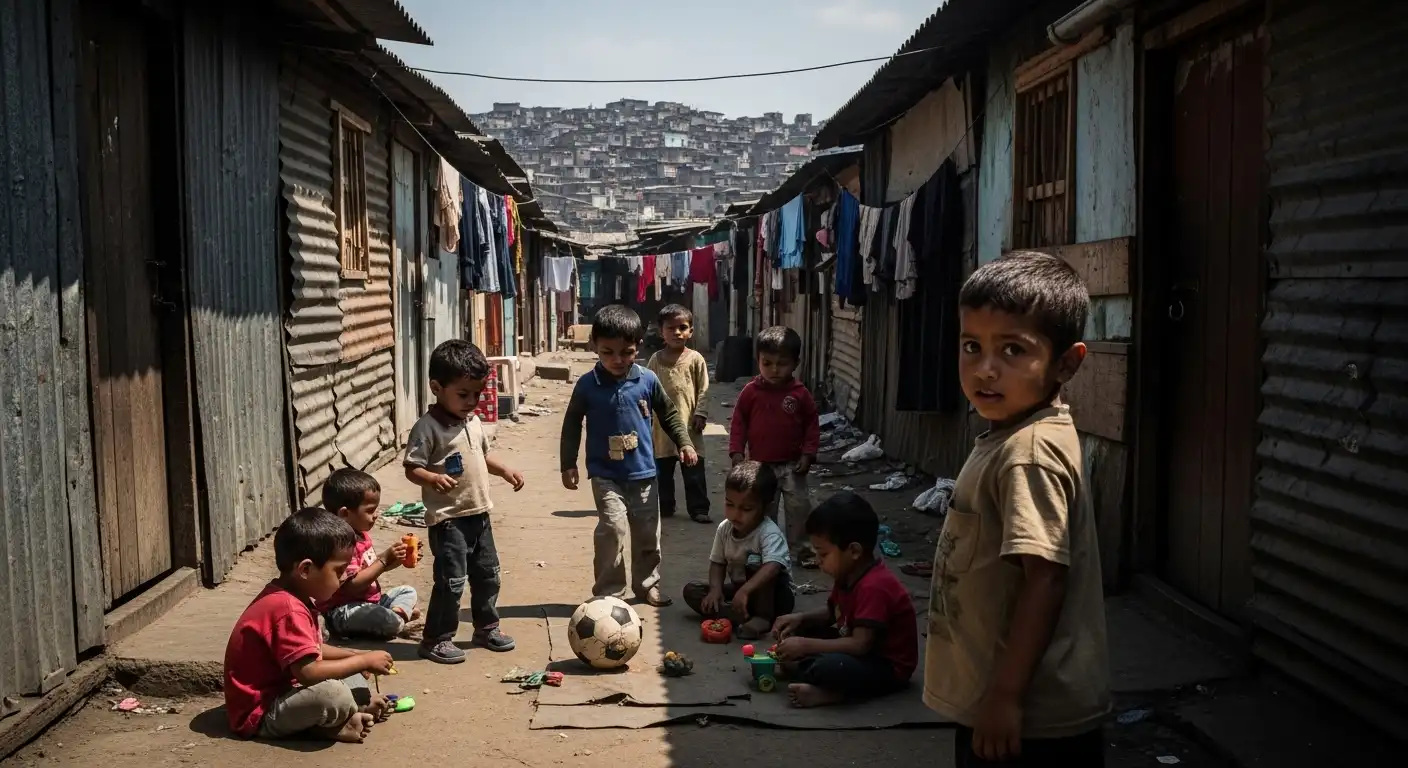
Education Beyond Classrooms: How Rouble Nagi Turned Slums into Schools
In a world where education often struggles to cross classroom walls, Indian teacher and social activist Rouble Nagi has done the opposite—she carried classrooms into the streets. On Thursday, Nagi was awarded the Global Teacher Prize in Dubai, recognising her extraordinary work with children who had never stepped inside a formal school.
While education debates frequently circle around policy files and budget allocations, Nagi’s solution was far simpler—and far more radical: paint the lessons on the walls where children live.
When Walls Became Textbooks
Across slum clusters in multiple Indian cities, Rouble Nagi transformed dull, crumbling walls into vibrant learning tools. Her educational murals teach:
-
Basic literacy and numeracy
-
Science concepts
-
Indian history and social awareness
For children affected by poverty, child labour, early marriage, and irregular schooling, these murals function as silent teachers—available even when classrooms are not.
It is education without bells, benches, or blackboards—yet deeply effective.
800+ Learning Centres and Counting
Beyond murals, Nagi’s foundation has established over 800 learning centres across India, offering structured education to:
-
Children who have never enrolled in school
-
Students already enrolled but at risk of dropping out
She personally travels across regions, working with children and mentoring teachers on the ground. So far, she has recruited and trained more than 600 educators, blending volunteers with paid staff to ensure continuity and accountability.
Her teaching model is tailored—not standardized—adapting to each child’s academic level and socio-economic reality.
Education Designed for Real Life
Unlike conventional systems that expect children to adjust to school schedules, Nagi adjusted education to children’s lives:
-
Flexible class timings for working children
-
Practical lessons using recycled materials
-
Skill-based learning that families see immediate value in
In environments where survival often takes precedence over schooling, this approach made education relevant, not optional.
The $1 Million Plan
Nagi announced that she plans to use the $1 million prize money to build an institute offering free vocational training. The idea is simple: education should not end at literacy—it should lead to livelihood.
This next phase aims to bridge the gap between learning and employment, especially for students from marginalized backgrounds.
Why This Win Matters
Rouble Nagi is the 10th recipient of the Global Teacher Prize since its launch in 2015. Previous winners include educators working in conflict zones, remote villages, and deeply underserved communities worldwide.
Her win is not just personal recognition—it is a reminder that innovation in education does not always require technology, but intention.
While many discuss education reform in air-conditioned conference halls, Nagi proved that sometimes, the most powerful classroom is a painted wall in a forgotten lane.
you may also like

- February 27, 2026
MR Round Table 2026 Focuses on Academic Excellence
- February 27, 2026
IIM Indore Launches AI Programme for Professionals
- February 26, 2026
Why IPAG’s DBA Is Emerging as a Strategic Leadership Degree
- February 24, 2026