


- March 03, 2026
From state control to open doors—Venezuela’s oil story takes a sharp turn.
Venezuela signs new law opening oil sector to private firms, ending state monopoly weeks after Maduro’s capture.
- January 30, 2026
- in International
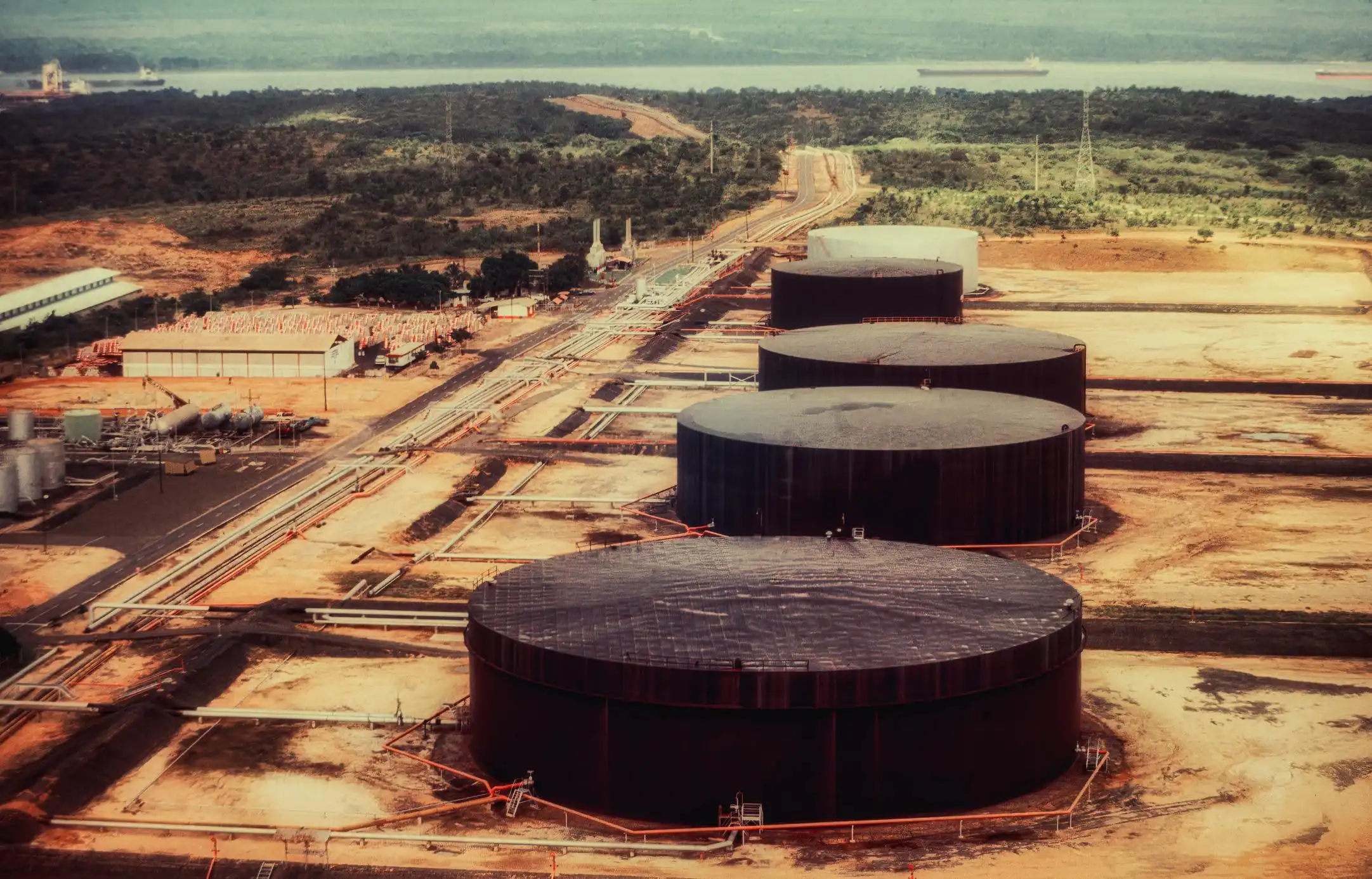
Historic shift ends state monopoly, invites foreign investment
Venezuela has unveiled a sweeping overhaul of its oil industry, opening the sector to private firms under a newly signed law that marks one of the most dramatic economic reversals in the country’s modern history. The move comes just weeks after former president Nicolás Maduro was captured in Caracas during a US-led operation, plunging the oil-rich nation into a new political phase.
The legislation was signed by acting President Delcy Rodríguez, barely two hours after it cleared the National Assembly—signalling urgency, intent, and a sharp break from decades of state-controlled resource policy.
Private firms step in, state retains ownership
Under the new law, private companies will be allowed to manage oil production, pricing, and operations, provided they demonstrate financial and technical capacity through approved business plans. While Venezuela’s oil and gas reserves will remain state-owned, private firms will now assume operational control—at their own cost, risk, and expense.
The reform effectively dismantles the long-standing monopoly of Petróleos de Venezuela SA, which has controlled production and sales for decades. Disputes involving private operators can now be taken to independent international arbitration, rather than being restricted to Venezuelan courts—another major concession aimed at reassuring foreign investors.
Tax changes and investor-friendly terms
The law also restructures the fiscal framework of oil extraction. A maximum royalty rate of 30% has been set, with flexibility for the government to adjust rates depending on capital investment needs, project competitiveness, and operational risks. Analysts say this could significantly improve the attractiveness of Venezuelan oil assets in global markets.
Notably, the oil law was last overhauled nearly 20 years ago under the late Hugo Chávez, whose socialist policies cemented state dominance over natural resources.
Talks with Washington before the signing
Rodríguez confirmed that she held discussions with Donald Trump and US Secretary of State Marco Rubio shortly before signing the bill. The talks reportedly focused on how Venezuelan oil exports would be handled and how revenues might flow under the new arrangement.
Calling the reform a generational decision, Rodríguez described it as a step toward rebuilding the country’s future. “We are talking about the country we will give to our children,” she said, framing the shift as both economic and moral.
Why this move matters
Venezuela holds some of the largest proven oil reserves in the world, yet years of mismanagement, sanctions, and underinvestment have crippled production. Opening the sector to private and foreign firms could inject much-needed capital, technology, and expertise—but also raises questions about sovereignty, inequality, and long-term control over national resources.
For global energy markets, the decision signals a potential re-entry of Venezuelan oil at scale. For Venezuela, it represents a clear departure from ideological control toward pragmatic survival.
you may also like

- March 02, 2026
Trump Says Iran Operations May Last 4–5 Weeks

- March 02, 2026
How Switzerland Became the World’s Most Nuclear-Ready Nation

- March 02, 2026
Middle East War Escalates; Oil, Air Travel Hit

- March 02, 2026